


Published on: January 15, 2026, 11:55h.
Updated on: January 15, 2026, 12:34h.

- Twenty individuals were indicted this Thursday in connection with a college basketball point-shaving operation.
- Many of those indicted are active collegiate basketball players.
- The NCAA reports ongoing investigations involving 40 student athletes across 20 institutions in the last year.
The spotlight shines again on the perils of proposition betting in sports, following the announcement that twenty men have been charged with a point-shaving scandal involving NCAA Division 1 basketball teams.
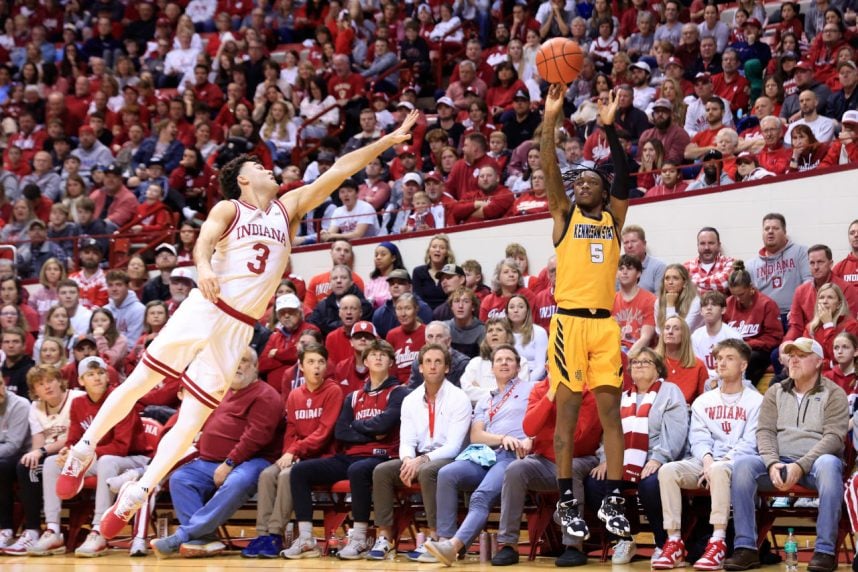
Recent developments concerning this scandal have been revealed, indicating the involvement of 39 college basketball players across 17 NCAA Division 1 teams, with 29 games subjected to fraudulent fixing. This information comes from a federal indictment released in the Eastern District of Pennsylvania.
Charges Against 20 Individuals
Fifteen of those indicted participated in college basketball during the 2023-24 and 2024-25 seasons. Coverage of two defendants, Dae Dae Hunter and Dyquavian Short, has highlighted their sanctions by the NCAA for their roles in fixing games at the University of New Orleans. ESPN reports that four charged players — Simeon Cottle (Kennesaw State), Carlos Hart (Eastern Michigan), Camian Shell (Delaware State), and Oumar Koureissi (Texas Southern) — recently competed for their current college teams.
Point shaving occurs when players purposely underperform to keep the game’s score within or below specific betting spreads. The charges detailed in the indictment filed in Philadelphia involve bribery, wire fraud, and conspiracy, with potential penalties ranging from up to five years for bribery and twenty years for fraud. Notably, none of the alleged incidents pertain to games played this season.
In a statement released Thursday morning, NCAA President Charlie Baker expressed serious concerns regarding the dangers of prop betting affecting the sport’s integrity and raised alarms about potential match manipulation. The NCAA has urged state gambling commissions to ban betting on specific prop bets that carry high-risk profiles, including first-half unders.
Consequences for Students Following NCAA Inquiry
Baker indicated, “The integrity issues highlighted today by law enforcement are not new to the NCAA. Through productive collaboration with industry regulators, we have completed or ongoing investigations concerning almost all of the teams implicated in today’s indictment.”
Baker further noted that the NCAA’s enforcement team opened sports betting integrity investigations involving 40 student-athletes across 20 institutions in the past year. These investigations are still in progress, with findings that 11 student-athletes from seven schools have bet on their own performances, shared insights with recognized gamblers, and engaged in game manipulation to benefit their own or others’ bets. These students have permanently lost their NCAA eligibility.
Additionally, 13 student-athletes from eight schools failed to cooperate with the NCAA investigation, providing false information, not submitting relevant documentation, or opting out of interviews with enforcement staff. These individuals are also not competing at present.
NCAA’s Stance on Collegiate Prop Betting
“The NCAA is committed to aggressively addressing sports betting violations in college athletics through a comprehensive integrity monitoring program, which oversees over 22,000 contests,” Baker stated. “We urge states, regulators, and gaming companies to eliminate threats to integrity, such as collegiate prop bets, in order to better protect athletes and institutions from integrity risks and predatory betting practices.”
“We will also continue to fully collaborate with law enforcement. All student-athletes must make informed decisions to avoid jeopardizing both the sport and their eligibility.”
The other five individuals indicted on Thursday have been described as facilitators, targeting first-half betting spreads in lower-tier Division 1 games. The indictment elaborated on how college players were approached with offers ranging from $10,000 to $30,000 to alter the outcomes of basketball games for betting gains.