


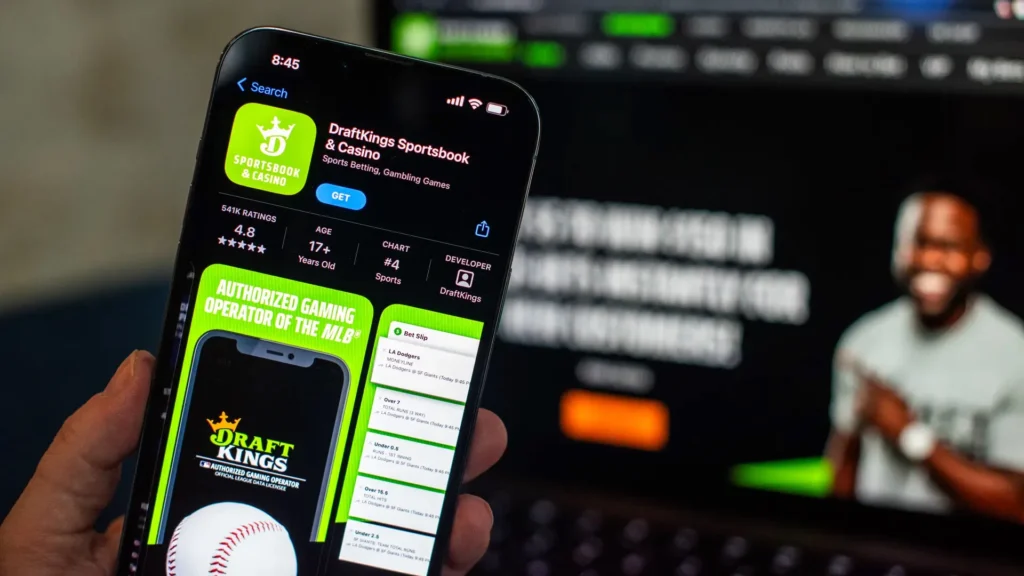
An Iowa bettor is taking legal action against DraftKings for $14.2 million after the sportsbook invalidated five parlay bets he asserts should have been awarded payouts following the weather-interrupted 2024 AT&T Pebble Beach Pro-Am golf tournament.
Nicholas Bavas, a Dallas County resident, placed five distinct parlay wagers on February 3, 2024, forecasting the leading players based on their standings at the conclusion of the third round.
Anticipating heavy rain that would likely disrupt the final round on Sunday, Bavas adjusted his bets accordingly, including current tournament leader Wyndham Clark among his selections.
As expected, PGA Tour officials delayed the final round on February 4 multiple times before ultimately canceling it at 9:15 p.m., citing conditions that rendered play unmanageable. The results from the third round were finalized, confirming Clark as the champion, theoretically validating Bavas’ wagers.
The lawsuit contends that the five parlays, which had stakes ranging from $25 to $100, were made between 10 p.m. on February 3 and shortly after midnight on February 4. In total, these bets were meant to yield over $14.2 million in returns.
However, DraftKings declared all five bets void, refunded the original stakes, invoking its terms and conditions, which stipulate that any “futures bets” placed after the last shot of a round, when that round is ultimately considered final, are void.
Bavas contests this interpretation. His lawsuit claims that since the bets required multiple player outcomes instead of designating a sole tournament victor, they shouldn’t be categorized as “futures bets.” Even if part of a wager is invalid, the remaining aspects should be honored at adjusted odds, according to the lawsuit.
The complaint states that DraftKings “unilaterally voided all five bets and refunded his stakes,” asserting that the company inconsistently applies its rules and retroactively alters them to evade substantial payouts. It also accuses the sportsbook and its affiliate, Crown IA Gaming, of breaching contract terms and violating consumer protection statutes.
Bavas’ attorney, Ben Lynch, remarked that the betting company modified its terms only after the tournament concluded. “If he had lost the wager and argued, ‘I’d like my money back because the weather affected the outcomes,’ DraftKings would have retained his funds,” Lynch noted. “The rules DraftKings had in play during the tournament did not permit them to void the bets. They altered the rules post-tournament.”
Bavas, who diligently analyzed weather forecasts before his wagers, was not the only bettor who anticipated a truncated tournament. Other bettors who made similar forecasts after play ceased on February 3 also encountered voided bets and expressed their dismay on social platforms, as reported by Golf.com.