


Published on: August 29, 2025, 09:46h.
Updated on: August 29, 2025, 09:46h.

- The Massachusetts Gaming Commission faces scrutiny from the state auditor
- An evaluation of the gaming regulatory body revealed deficiencies in promoting responsible gaming
The Massachusetts Gaming Commission (MGC) convenes more often than any other state gaming oversight body in the country. A recent audit indicates the agency must enhance its efforts.
Massachusetts State Auditor Diana DiZoglio’s Office has recently finalized a review of the MGC covering the interval from July 1, 2020, to June 30, 2023. The findings were not favorable, with auditors stating that the MGC “failed to oversee sports betting promotions,” neglected proper training for GameSense agents at casinos, and does not maintain a systematic “accountability process” for employee settlement agreements.
“The Massachusetts Gaming Commission must adhere to regulations and provide sufficient oversight, particularly regarding gambling addiction,” stated DiZoglio. “Our findings indicate regulatory deficiencies that we urge the Commission to rectify over the next six months, after which we will conduct a follow-up audit.”
According to the auditor’s report, the deficiencies of the MGC may have permitted the state’s three casinos and online betting platforms to “increase their profits at the expense of the welfare of their customers.”
Failures in Responsible Gaming Initiatives
A key focus of the Massachusetts auditor’s report highlighted the MGC’s inadequacies in protecting gamblers. The audit revealed that 17 sports betting advertisements lacked essential responsible gambling information, such as details about the Massachusetts Problem Gambling Helpline.
“These oversights could potentially worsen gambling addictions and expose minors to harmful marketing,” the audit stated.
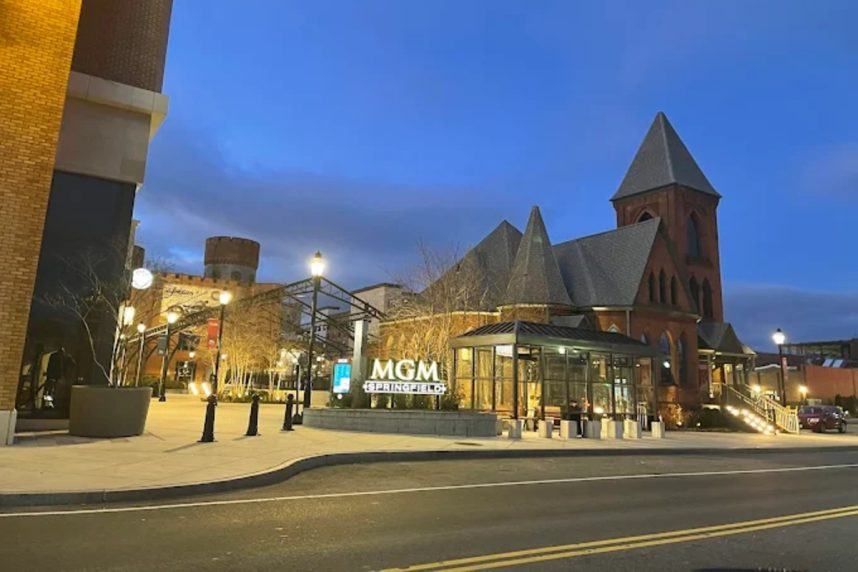
GameSense agents, mandated to be present on the casino floors of Encore Boston Harbor, MGM Springfield, and Plainridge Park, were found to lack adequate training. These agents, identifiable by their green shirts, help patrons comprehend the mechanics of casino games and the odds associated with each.
These agents also play a critical role in promoting responsible gambling and assisting individuals looking to manage their gambling behaviors. GameSense was originally created by the British Columbia Lottery Corporation, which the MGC licensed in 2015.
“Without the necessary training, these agents are unable to effectively assist those grappling with gambling issues. This weakens the very system designed to alleviate gambling-related difficulties,” the audit concluded.
The audit also noted that the MGC must establish protocols for employee settlement agreements. Without a transparent procedure, DiZoglio warned that the MGC could misappropriate public funds to “cover up wrongdoings while silencing victims, thereby eroding public confidence.”
Record-Breaking Revenue Growth
Massachusetts’ commercial casino landscape has been developing since the enactment of the Expanded Gaming Act in 2011. Plainridge Park, the first to open, was launched in 2015 as a slots-only establishment.
MGM Springfield debuted in August 2018, followed by Encore Boston Harbor in June 2019. Retail sportsbooks started operation in early 2023, with mobile betting introduced in March 2023. Despite a downturn in 2020, commercial gaming revenue in Massachusetts has been robustly increasing each year since 2019.
Casino revenue figures reached $1.02 billion in 2021, climbed to $1.13 billion in 2022, surged to $1.66 billion in 2023, and hit $1.86 billion in 2024. Last year, state gaming tax revenue was reported at $471.4 million.
These gaming taxes contribute to the Massachusetts Gaming Local Aid Fund, which supports public infrastructure, state education, public health, and the horse racing sector.