


Published on: September 13, 2025, 12:58h.
Updated on: September 12, 2025, 04:00h.

- Corruption Scandal in the Philippines Strikes Again
- Accusations Against Officials for Laundering Funds via Casinos
- Stolen Funds Intended for Flood Prevention
Senate President Francis Escudero has been ousted from his leadership position following allegations of his involvement in a corruption scandal related to government-funded flood control projects.
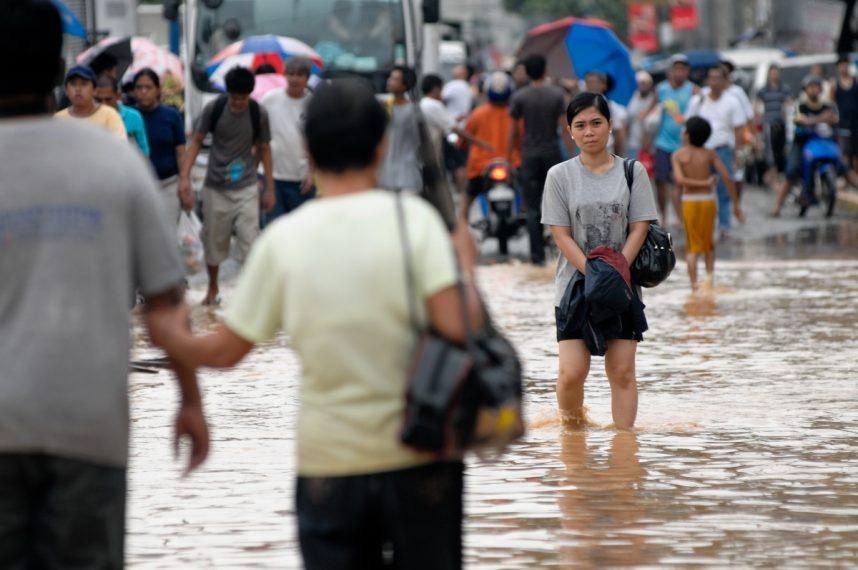
Escudero’s removal comes after he was implicated in a scandal involving a flood control contractor that acquired multiple government contracts aimed at improving infrastructure in at-risk regions. Investigators revealed that several of the 15 contractors awarded PHP100 billion (approximately US$1.75 billion) for water barrier enhancements either delivered substandard work or failed to complete their projects altogether.
The Philippine Amusement and Gaming Corporation (PAGCOR) indicates that five individuals allegedly collaborated with these contractors to launder vast sums through casinos located in Manila, Cebu, and Clark. Escudero has connections to Centerways Construction and Development, one of the contractors, which has been a significant donor to his electoral campaigns.
Money Laundering Concerns in the Philippines
In recent years, the Philippines has made considerable efforts to enhance its money laundering prevention mechanisms. This initiative was a core aspect of President Ferdinand Bongbong Marcos Jr.’s 2022 election strategy, leading to the country’s removal from the Financial Action Task Force’s (FATF) “gray list” in February.
The FATF recognized that the Philippines had effectively addressed previous “strategic deficiencies” in combatting money laundering. The identification of 13 casinos allegedly exploited for laundering funds suggests improved scrutiny over financial transactions in the country.
Senate President Pro Tempore Panfilo Lacson disclosed that a coalition of officials from the Department of Public Works and Highways (DPWH) conspired with the contractors to misappropriate a large portion of funds intended for enhancing flood defenses, primarily affecting less affluent communities. Lacson reported that documentation and surveillance materials obtained from PAGCOR suggest that these officials, referred to as the “BGC Boys,” lost PHP950 million (around US$16.6 million) gambling.
“While the residents of Bulacan are still struggling with floodwaters because of these corrupt individuals — despite the president exposing the malfeasance — the BGC Boys indulge in extravagance, squandering public funds without any guilt,” Lacson asserted.
According to PAGCOR, the DPWH officials reportedly employed discreet methods of money laundering, such as large cash transactions followed by brief gambling sessions before cashing out their chips.
“I have provided the names and aliases of these individuals to the Anti-Money Laundering Council, as casinos fall under the jurisdiction of the anti-money laundering legislation,” Lacson clarified.
Upcoming Investigations
The Philippines’ Anti-Money Laundering Council intends to examine the allegations and review the protocols employed by casinos in handling large amounts of cash.
Casinos in the Philippines are classified as “covered persons” under the nation’s anti-money laundering laws, requiring them to report any suspicions of money laundering or suspicious activities.
“Violations of our administrative regulations can result in penalties for covered persons. We have a range of penalties based on the nature of the violation,” stated Philippines AMLC Executive Director Matthew David.