


Published on: September 17, 2025, 01:50h.
Updated on: September 17, 2025, 01:58h.

- Chicago is exploring the possibility of introducing video gaming terminals resembling slots
- The implementation of VGTs may jeopardize the city’s contract with Bally’s
- Chicago is grappling with a budget deficit of $1.5 billion
The authorization of video gaming terminals (VGTs) in Chicago is progressing.
On Tuesday, the Committee on License and Consumer Protection for the City of Chicago voted 8-6 to advance an ordinance that would permit select businesses to apply for VGTs. Under Illinois law, establishments holding valid liquor licenses can operate between six and ten gaming terminals.
While small businesses are limited to six VGTs, truck stops may host up to ten. Furthermore, all locations must be situated at least 1,000 feet away from casinos or racetracks.
For years, Chicago has prohibited VGTs, but the city is now facing critical financial challenges, including a staggering budget shortfall of $1.15 billion, prompting some lawmakers to advocate for the legalization of these gaming machines.
“Are we to remain passive while staring at a looming $1.5 billion deficit with no solutions, or should we seek alternative revenue streams that won’t burden everyone like property taxes?” questioned Alderman Anthony Beale of the 9th Ward. These insights were first reported by the Chicago Sun-Times.
“Will we turn away from a potential $60 million to $100 million benefit, or are we prepared to innovate and explore uncharted territory for the city?” Beale queried.
Opposition from the Mayor
A study commissioned by the city predicts that Chicago could see an annual influx exceeding $67.2 million from the implementation of VGTs. Illinois imposes a 35% tax on the gross gaming revenue from VGTs, with approximately one-sixth, or 5.8%, allocated to the local government.
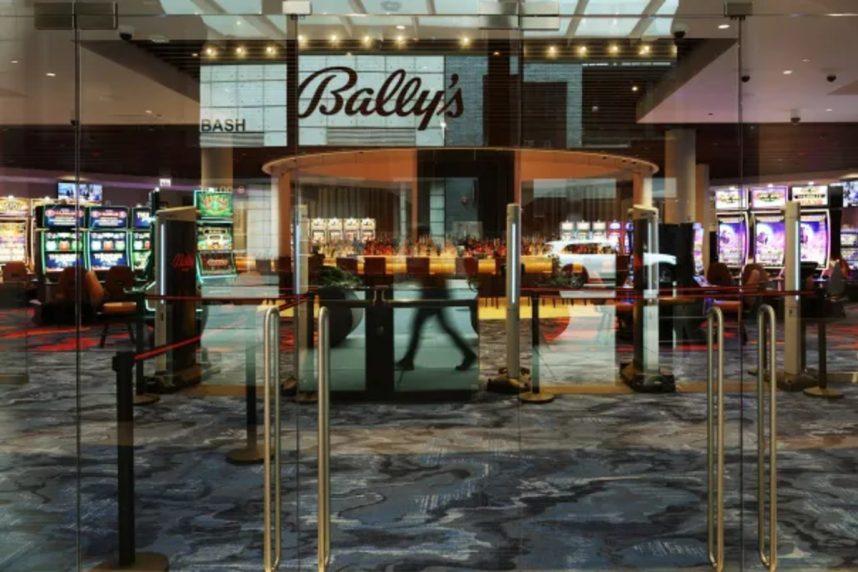
However, the projections do not factor in any potential net revenue losses from existing sources, particularly from Bally’s Casino, which is currently operating at Medinah Temple while its $2 billion permanent resort is under construction at the former Freedom Center site.
Chicago Mayor Brandon Johnson, who previously expressed support for VGTs, has shifted his stance to oppose their legalization, asserting that the city’s issues stem not from excessive spending, but rather from a revenue crisis.
“Chicago doesn’t have a spending problem. We are facing a revenue challenge,” Johnson stated this week.
Bally’s Contractual Obligations
In May 2022, Bally’s was selected as the preferred bidder for a downtown casino in Chicago, outpacing bids from Rush Street Gaming and Hard Rock International.
Concerns arise that if the city endorses VGTs, it could breach the Host Community Agreement established with Bally’s. This agreement includes stipulations that prevent the city from permitting any additional casinos or new modes of legal gaming beyond what has previously been sanctioned.
Carl Gutierrez, vice president of government relations for the Chicagoland Chamber of Commerce, emphasized that allowing VGTs would clearly breach Bally’s contract and imply that Chicago is not a dependable partner.