


Published on: September 17, 2025, 06:16h.
Updated on: September 17, 2025, 06:16h.

- Canadian tourism to the U.S. sees a 25% decrease in August, marking the seventh consecutive month of decline
- While Trump impacts sentiments, high prices in Las Vegas and a weak Canadian dollar also play a role
- The LVCVA has launched its first-ever citywide sales initiative
While the drop in Canadian visitors to the United States, particularly Las Vegas, continues, the reasons behind this trend are evolving.

25% Drop in Travel Volume
As per Statistics Canada, cross-border trips between Canada and the U.S. continued to decline in August, representing a 25.4% drop in flights returning from the U.S., compared to the same month last year, with 423,100 trips taken.
Additionally, Redfin reported that the demand for Canadian users searching for U.S. homes fell by 19.5% year-over-year in August, despite Canadians historically being a significant segment in U.S. real estate.
“I have one Canadian client who is selling his final U.S. property as he no longer considers it a viable investment or vacation destination,” shared Cheryl Van Elsis, a Redfin Premier agent in Las Vegas.
“He used to own four residences in Las Vegas, mainly offering them as rentals for Canadian visitors to casinos and poker events. Now, he wants to completely sever ties with the U.S.”
Canada: Leading Foreign Visitor Demographics
Steve Hill, CEO of the Las Vegas Convention and Visitors Authority (LVCVA), recently traveled to Vancouver to engage with travel journalists and address the barriers deterring Canadians from visiting Vegas. The LVCVA is now rolling out several promotional campaigns aimed at enticing visitors from both Canada and the U.S.
Although Canada constitutes a small fraction of overall travelers to Las Vegas, it remains the largest group of international visitors, with nearly 1.5 million making the journey in 2024.
“Some of our Canadian friends are not feeling very positive toward us at the moment,” Hill remarked during the briefing.
Beyond corporate rhetoric, we spoke with individuals on the ground who collect firsthand data. Personally, I experienced this firsthand during my five-night stay at Caesars Palace in August, which was thoroughly enjoyable.
Air Canada Labor Challenges
Statistics Canada pointed out recently that Air Canada experienced flight cancellations and delays in mid-August due to labor issues, contributing to the tourism downturn.
Hill commented on how many Canadians harbor lingering discontent towards U.S. President Donald Trump, particularly after his winter remarks suggesting Canada would benefit from becoming the U.S.’s 51st state. Ongoing tariff disputes and their economic repercussions have only fueled this sentiment.
Canadians are expressing considerable frustration regarding U.S. politics, and this anti-Trump sentiment may have even influenced Canada’s recent national election, where the Liberal Party defeated the Conservatives and regained minority governance.
A public movement has emerged against various American influences, even affecting the products Canadians buy in grocery stores.
The Trump Influence
“I asked my wife if she wanted to return to Las Vegas, and she said no, not while Trump is still in office,” shared Tim Thomson, a Canadian who has visited Las Vegas more than a dozen times for the food, vibrant pool scene, nightlife, and engaging atmospheres.
The discontent is linked not only to political views but also to the current exchange rate, with the Canadian dollar trading at approximately $1.38. Therefore, a Canadian spending $100 USD ends up costing $137.62 CAD.
During my August trip, Caesars Palace was advertising a promotional rate of USD $89 per night for a King bed room, but this cost soared to USD $249 by the end of our stay. Furthermore, we were assessed a daily resort fee of USD $62.30 (including tax) and paid an additional USD $56.69 for a room upgrade.
Weak Canadian Dollar
While we enjoyed some successful gambling sessions and dined at Peter Luger Steakhouse, overall dining prices were indeed high. For example, I captured a picture of my 20-ounce coffee costing $8 at Brioche by Guy Savoy in Caesars Palace; my wife’s double Americano was $9, plus an additional $9 for a muffin.
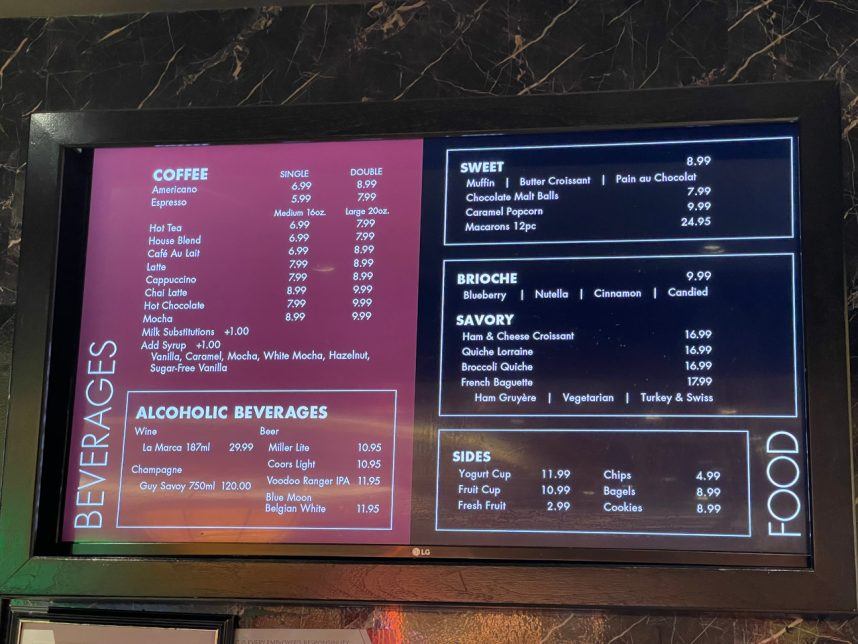
While I anticipated inflated food costs, it’s essential to note these are typical rates on the Strip; there are numerous more affordable options both in and out of the main tourist area if you know where to look.
Will Sentiment Shift?
The bottom line is this: Narratives change over time. Trump will continue to be a factor for another 3.5 years—how long will Canadians remain disgruntled? Eventually, trade agreements will be established, and life will resume.
The tide can shift if Las Vegas resorts initiate better deals to attract Canadian travelers. Making it worthwhile will certainly see that tourism rebound.
Even Thomson acknowledges this potential.
“Ultimately, reasonable flight deals are available, but when you factor in a weekend in Las Vegas alongside food and gambling, costs can easily rise to $2,000. Meanwhile, we can choose all-inclusive options in the Dominican Republic, Mexico, or Cuba for the same price. I’ve noticed high-end steakhouses in Buffalo accommodating Canadian currency almost at par, reflecting the competitive market.”
Insights from Canadian Travel Agencies
Christopher Whyte from Freestone Travel, located just east of Toronto, notes that the decline in Canadian travelers to the U.S., particularly Las Vegas, is complex and multifaceted—extending beyond mere protest against Trump.
He has noticed a significant dip in U.S. travel interest from his clients, with air and land travel decreasing by 17% and 37.4%, respectively, this year.
“Las Vegas represents a unique situation. The factors contributing to reduced travel there are a perfect storm of issues,” he conveyed to Casino.org. “Some concerns stem from the U.S. overall, while others are specific to Vegas.”
There are unverified reports circulating on social media regarding Canadians facing immigration complications, including detention and deportation, although I personally encountered none of those issues.
Rising Resort Fees
“Specific challenges associated with Las Vegas often revolve around cost transparency,” he elaborated. “The increase in ‘resort fees’ and other hidden charges makes budgeting more difficult, especially for longer stays which lead to higher cumulative costs. Recent visitors have reported spending US $40 on a margarita, and Las Vegas is no longer the haven of affordable buffets. Securing show tickets is also becoming increasingly costly.”
“Lastly, clients focused on gambling are expressing dissatisfaction with the reduced availability of traditional table games in favor of automated machines. There is a growing sentiment that winning payouts have diminished, and while most understand the odds favor the house, the perception is that this advantage has expanded.”
Las Vegas used to cater to the middle class, but this is no longer the case.
Decline of Traditional Table Games
Despite this, Whyte concurs with my assessment: Las Vegas is losing its attractiveness to Canadians. Nonetheless, if Las Vegas launches targeted promotions for Canadian tourists, there is potential to draw them back.
“Some Canadians are imposing a blanket travel ban to the U.S. due to Trump’s policies; however, Las Vegas remains a compelling destination if the cost issues are resolved,” he reflected. “I believe Vegas can revive its Canadian audience.”
Thomson added, “If the costs become manageable again, a significant portion of travelers would undoubtedly return, irrespective of the political landscape.”