


Published on: September 29, 2025, 07:22h.
Updated on: September 28, 2025, 02:51h.

The recent death of Ryan Easley, a former associate of “Tiger King,” at the claws of a tiger, has reignited memories of the iconic duo Siegfried & Roy. The pair, who captivated audiences in Las Vegas from 1990 until 2003, were not only beloved but also a part of a troubling narrative that ultimately contributed to the tragic events surrounding Easley’s fatal encounter.
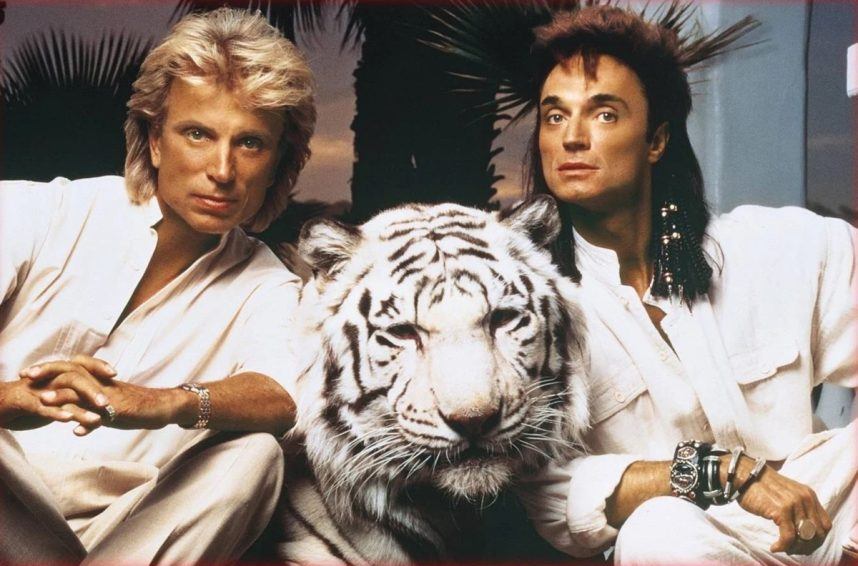
The illusionists often referred to their striking white tigers as “Royal White Bengal Tigers,” a term without any official recognition. This branding choice was part of a broader narrative to convince audiences of their role in breeding and conserving an extraordinary tiger subspecies.
Myth of the Tiger
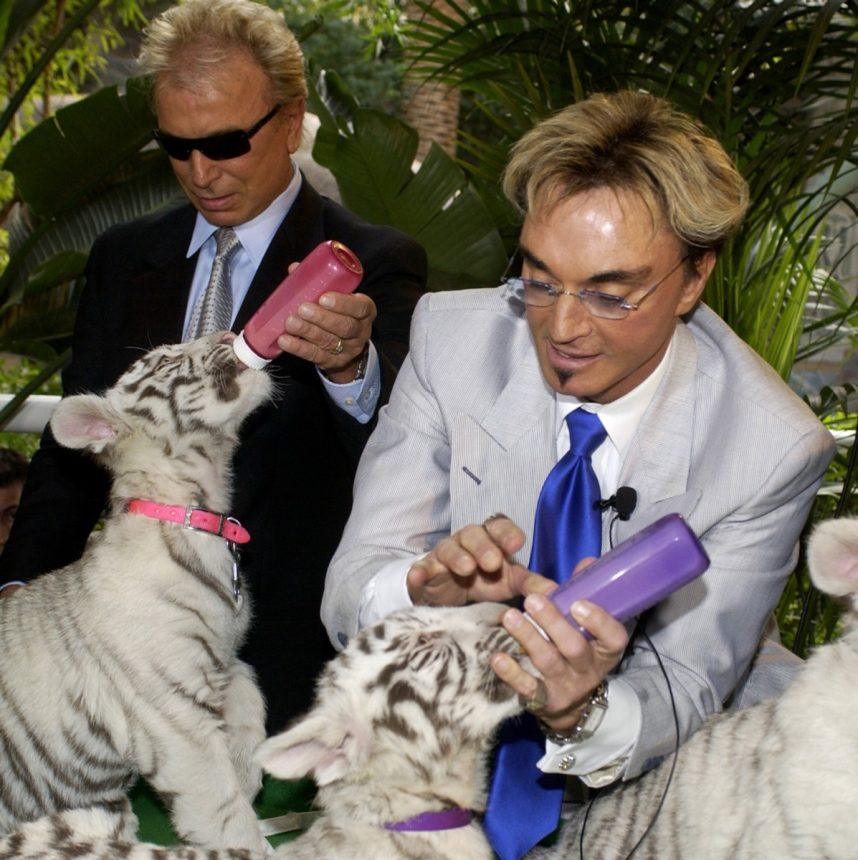
Contrary to popular belief, white tigers are not a rare subspecies but rather mutants of the Bengal tiger, arising from a recessive gene known as leucism that diminishes the pigmentation needed for the characteristic orange hue.
This genetic alteration is the result of intense inbreeding, where parent tigers breed with their offspring and siblings mate with each other. All of the white tigers in captivity in the United States share lineage from a single male Bengal tiger named Mohan, who was captured in India during the 1950s.
Leucism not only leads to the white coat but also brings along serious genetic conditions, including spinal issues, heart defects, and immune system deficiencies. The neonatal mortality rate for white tiger cubs is alarmingly high, with reports estimating an 80% loss during birth.
“Siegfried and Roy dedicated years to breeding animals known for congenital issues just to showcase them,” remarked Debbie Metzler, spokesperson for People for the Ethical Treatment of Animals (PETA), in conversation with Casino.org.
Misleading Illusion
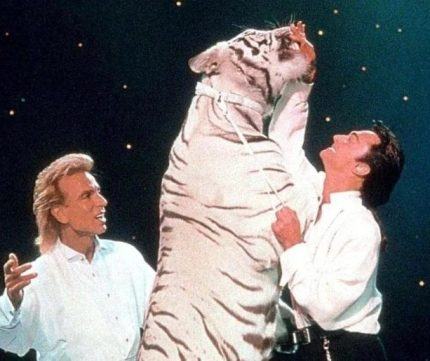
By advocating a narrative that positioned them as conservationists preserving a unique species, Siegfried & Roy significantly misled the public regarding the reality of their breeding practices.
The profits from their activities did not contribute to endangered species conservation in their natural habitats but instead supported the purchase and breeding of more white tigers for their shows and the Mirage zoo, which was inherently cruel.
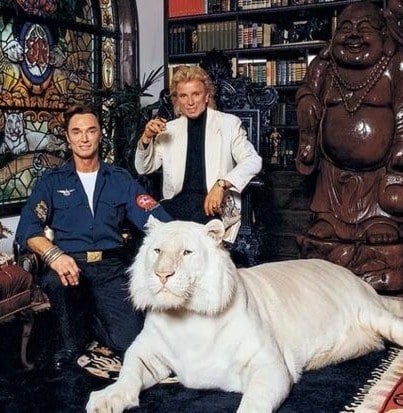
“They routinely compensated dubious sources for poorly bred animals — some as young as days old — that were mutilated and subjected to inhumane rearing conditions,” Metzler stated, adding that she is the managing director of captive wildlife for PETA.
The legacy of Siegfried & Roy’s performances has negatively affected broader tiger conservation efforts.
“Their reckless portrayal of large tigers as friendly pets intensified the exotic animal trade and motivated others to seek dangerous wild creatures as companions,” Metzler explained. “It enforced the illusion that tigers could be domesticated and fueled the inbreeding practices of unscrupulous breeders and roadside zoos, including Joe Exotic’s G.W. Exotic Animal Park — a source for Ryan Easley’s tigers.”
PETA maintains that captive-bred white tigers contribute nothing to conservation or education efforts.
“Forcing animals to perform tricks or placing them in small enclosures for public amusement teaches audiences nothing about their natural behavior,” Metzler noted. “Studies show that individuals who pay to view white tiger spectacles are less likely to understand the genuine challenges tigers endure in the wild.”
The lack of genetic diversity and the associated health issues of white tigers also preclude them and their offspring from being part of any potential reintroduction efforts.
Today, the breeding of white tigers continues primarily due to their profitability for exhibitors, who charge visitors to interact with cubs for photo opportunities. Once these cubs outgrow this purpose, they face a grim fate — often being abandoned, sold as pets, or further bred to create more lucrative white tiger cubs.
Transforming Tiger Narratives
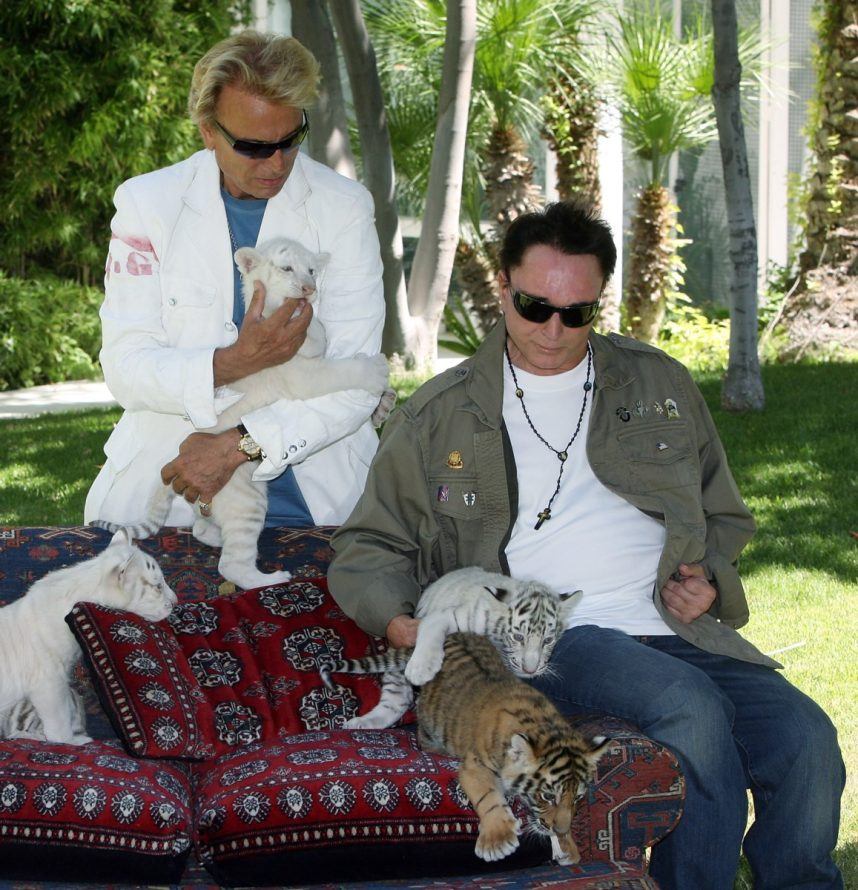
The 2003 attack by Mantecore, Roy Horn’s cherished tiger, spelled the end of the duo’s stage career and left Horn with life-altering injuries.
However, this incident incited a pivotal change in public perception regarding the use of wild animals for human entertainment.
“It shifted societal awareness towards understanding that wild animals are not playthings,” Metzler stated. “Consequently, such dangerous displays as Siegfried & Roy’s have largely vanished from the Las Vegas Strip.”
The global attention surrounding the mauling prompted the Association of Zoos and Aquariums to enact a ban on the breeding of white tigers in 2011, culminating in the 2022 passage of the Big Cat Public Safety Act, which prohibits private ownership of big cats and direct human interaction.
The closure of Siegfried & Roy’s Secret Garden at the Mirage in 2022, resulting from MGM Resorts’ sale to Hard Rock International, also shifted focus away from animal displays in Las Vegas, a trend that was already gaining momentum.
“Exhibiting large cats in cramped environments and forcing them to perform demeaning acts denies them the dignity and existence these vibrant animals deserve,” Metzler concluded. “PETA is thrilled to witness the end of big cat shows in Sin City.”
Look for “Vegas Myths Busted” every Monday on Casino.org. Visit VegasMythsBusted.com to discover more myths debunked in Las Vegas. Have a suggestion for a myth that needs examination? Reach out to [email protected].