


Published on: September 29, 2025, 01:23h.
Updated on: September 29, 2025, 01:39h.

- China intensifies actions against the infamous Ming triad crime syndicate
- Rebels invaded Laukkaing, liberating trafficked workers from scam operations
- Beijing changes its approach, targeting warlords previously tolerated
In a significant ruling, a court in eastern China has sentenced eleven affiliates of a notorious triad syndicate, known for operating fraudulent centers and illegal gambling and casino activities aimed at Chinese citizens, to death.
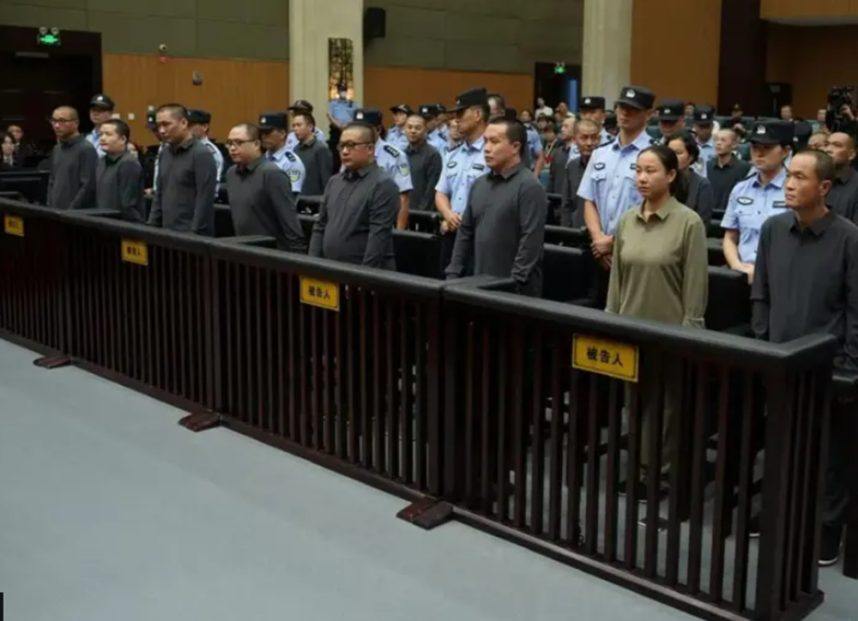
The Ming syndicate operated primarily from Laukkaing, situated in Myanmar’s lawless Shan State. Since 2015, this family was involved in extensive criminal endeavors, including telecommunication fraud, illegal casinos, drug trafficking, and prostitution, amassing an estimated $1.4 billion in revenue, according to reports from Chinese state media.
The court’s findings revealed that the family and their associates were implicated in the deaths of several scam center employees, with some being shot to prevent their return to China.
Triad Leaders
Among the eleven individuals sentenced to death at the Wenzhou Intermediate People’s Court were prominent figures Ming Guoping, Ming Zhenzhen, and Zhou Weichang. Additionally, five received death sentences with a two-year reprieve, while eleven others were sentenced to life imprisonment, and another twelve received prison terms ranging from five to twenty-four years.
The Mings were under the influence of three powerful triad leaders: Bai Suocheng, Wei Chaoren, and Liu Zhengxiang, who had previously dominated Laukkaing and the nearby Kongyang Township, which together formed the Kokang self-administered area, effectively ruling it as a personal domain.
Under the triad rule, Kokang evolved from a quiet region into a bustling casino center, rife with criminal activity. Reports described a horrific environment where “workers, primarily Chinese nationals and ethnic Chinese, were traded and subjected to beatings, torture, or even death if they failed to meet financial quotas or attempted to escape,” as stated by The Washington Post.
These three families operated with a high degree of autonomy in an area historically held by ethnic rebel factions, as long as they maintained allegiance to Myanmar’s military government.
Rebellion and Resistance
In November 2023, ethnic insurgents opposed to the military junta launched an attack on Laukkaing, freeing trafficked individuals and capturing members of the ruling triad families. This bold move may have been catalyzed by Chinese authorities’ issuance of arrest warrants for key figures in these families.
Prior to these events, Beijing had collaborated with the warlords, viewing them as advantageous partners for cross-border commerce; however, their overreach seems to have triggered a shift in policy.
As the rebels surged, Bai, Wei, and Liu fled the area, only to be intercepted shortly thereafter by military forces, according to Chinese media reports. Due to the active warrants, the junta had limited options and was compelled to hand them over to Chinese officials. It appears the Mings may have been swept up in this crackdown as well.
Bai is currently undergoing trial in Shenzhen, while the fates of Wei and Liu remain uncertain.