


Published on: October 7, 2025, 05:06h.
Updated on: October 7, 2025, 05:06h.

- Supreme Court dismisses Maverick Gaming’s challenge regarding tribal betting.
- Ruling sustains Washington’s exclusive tribal sports betting framework.
- Judgment celebrated as a significant victory for tribal self-determination across the nation.
The U.S. Supreme Court has opted not to review an appeal from Maverick Gaming, a cardroom operator in Washington state, regarding the state’s sports betting model which is exclusively for tribes.
Advocates for tribal gaming celebrated Monday’s ruling, viewing it as a triumph not only for Washington’s tribes but also for tribal sovereignty throughout the United States.
Maverick initiated legal action against Washington and the federal government in 2023, claiming that the state’s sports betting regulations created an unconstitutional monopoly.
Following the U.S. Supreme Court’s removal of the federal sports betting prohibition in 2018, Maverick embarked on an aggressive acquisition strategy across Washington, securing 19 card rooms in 2019 alone.
The company anticipated that lawmakers would eventually sanction commercial sports betting across the state, only to be disappointed when the legislature adopted a tribal-only framework in 2020.
Tribal Sovereignty
The case transitioned into a discussion on sovereign rights when Maverick took it to federal court, prompting the Shoalwater Bay Tribe—an uninterested party—to intervene to safeguard its gaming entitlements. The tribe contended that the case couldn’t progress without its inclusion, which was prohibited by its sovereign immunity.
In February 2023, U.S. District Judge David Estudillo dismissed the suit, concluding that Maverick was essentially attempting to “overturn tribal gaming agreements, recognized legal privileges.”
“Maverick aims for nothing short of a total revocation of the tribes’ rights to operate casino gaming establishments,” Estudillo stated.
The judge also determined that the Shoalwater Bay Tribe was a required party in the case but could not be included in the litigation due to its sovereign immunity.
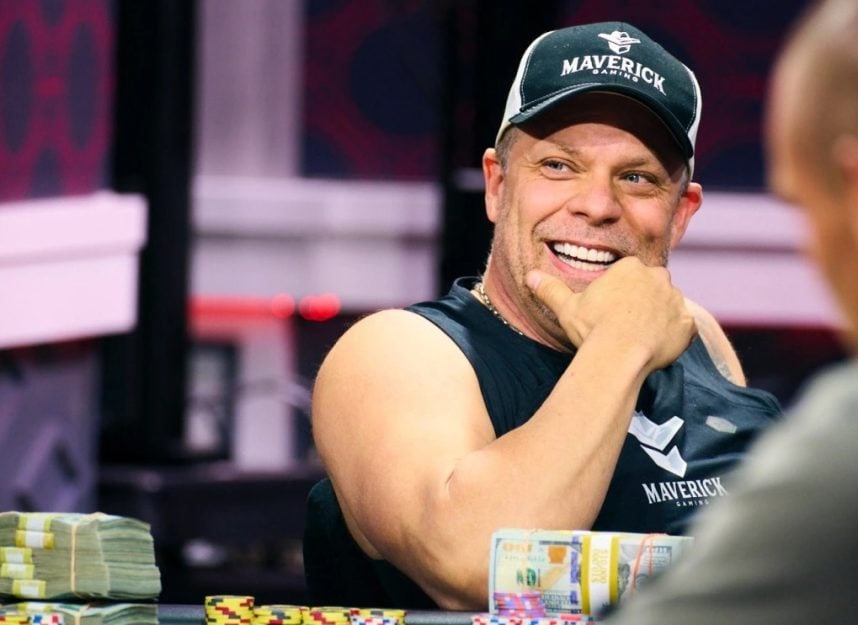
Maverick’s CEO and skilled poker player, Eric Persson, who is paradoxically a member of the Shoalwater Bay Tribe, expressed his readiness to escalate the case to the Supreme Court. However, the court had other intentions, effectively affirming the lower court’s ruling and concluding the matter.
Maverick’s Bankruptcy Struggles
This situation adds to the difficulties faced by Maverick, which filed for Chapter 11 bankruptcy in July, declaring total assets and debts ranging from $100 million to $500 million.
“The disparity in purpose couldn’t be more apparent,” noted Rebecca George, Executive Director of the Washington Indian Gaming Association (WIGA), in an interview with Casino.org. “Tribal and state-regulated gaming profits are utilized to fund public programs—from healthcare and education to housing, infrastructure, and environmental rehabilitation. In contrast, private and speculative entities funnel profits to personal investors, often from out of state or even internationally. These regulations were crafted to ensure that gaming benefits the community, not individual greed.”