


Published on: October 8, 2025, 07:35h.
Updated on: October 8, 2025, 07:35h.

- All types of online gambling are prohibited in Montana.
- The state’s legislation encompasses sweepstakes casinos and prediction markets.
Following the enactment of Senate Bill 555, individuals or businesses managing unregulated online gambling platforms in Montana may face felony charges.
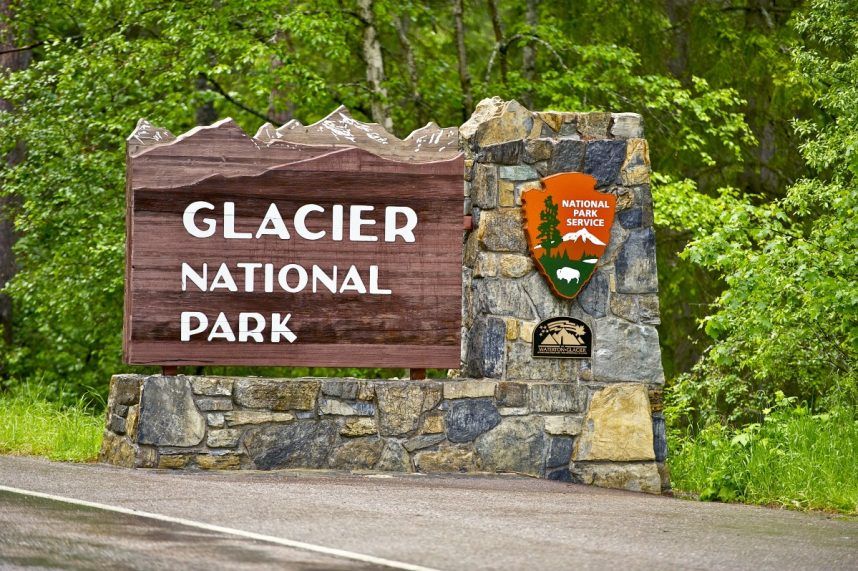
Senate Bill 555 was passed by the Montana Legislature in April and received Governor Greg Gianforte’s (R) approval the following month, prohibiting all forms of internet gambling, which encompasses online casinos and sports betting.
The legislation broadens the definition of internet gambling to encompass “online casinos, regardless of nomenclature, which fall under the purview of internet gambling and are thus banned. This includes any platform, website, or application that knowingly transmits or receives gambling data, enables consumers to place wagers using any type of currency, and processes payouts in any form of currency.”
SB555 officially took effect on Wednesday, October 1.
The state hosts tribal casinos with electronic gaming machines. Sports betting is managed by the Montana Lottery, allowing its retailers to take bets. Sports Bet Montana is the only legal online sportsbook application supported by the Montana Lottery, permitting users to handle their accounts online and create bet slips, but final bets must be made in person.
A report published in April by the online finance platform WalletHub identified Montana as the third most gambling-addicted state, with 2.5% of the population experiencing gambling disorders.
Focus on Sweepstakes and Prediction Markets
Montana’s legislation against online gambling aims to safeguard the public from what lawmakers perceive as hazardous gambling websites and apps lacking essential consumer protections, including assurances that payouts will be honored, that games are fair, and that account withdrawals are successful.
Despite only seven states regulating online casino gambling, the rise of sweepstakes casinos has sparked national concern.
Sweepstakes casinos allow players to participate in online casino games at no cost. These platforms market themselves as social gaming experiences. Nevertheless, these platforms enable players to buy a secondary digital currency, often referred to as “sweeps coins,” which can also be used for gambling.
Sweeps coins can be exchanged for cash. Operators of sweeps casinos argue that their business models are akin to other online sweepstakes, such as CVS offering discounts through reward spin wheels.
However, it’s important to note that CVS isn’t selling coins intended for online slots or table games. A majority of legal experts, state attorneys general, and lawmakers believe that social sweepstakes casinos are cleverly designed to bypass regulations against online gambling.
Another area of concern is the emergence of prediction markets and wagering exchanges. These platforms enable users to trade shares on potential outcomes ranging from political events to cultural happenings, with a recent pivot into sports betting.
Operators in Violation of Law
Kalshi stands out as a leading online wagering exchange and prediction platform in the U.S. The company continues to provide access to its platform in Montana, despite state legislation banning all forms of internet gambling.
The potential for felony charges has not deterred Kalshi from its operations.
“We’re not particularly worried as we are federally regulated,” stated Kalshi co-founder and CEO Tarek Mansour in April, referring to state directives ordering the platform to cease operations. “The state law doesn’t really concern us.”
Montana’s legislation stipulates that individuals who “knowingly or intentionally” breach the online gambling statute may face penalties, including fines up to $50,000 and a decade in prison.