


Published on: October 13, 2025, 07:43h.
Updated on: October 13, 2025, 07:43h.

- California has implemented a ban on sweepstakes casinos
- Sweepstakes casinos enable players to earn real money while enjoying online gambling
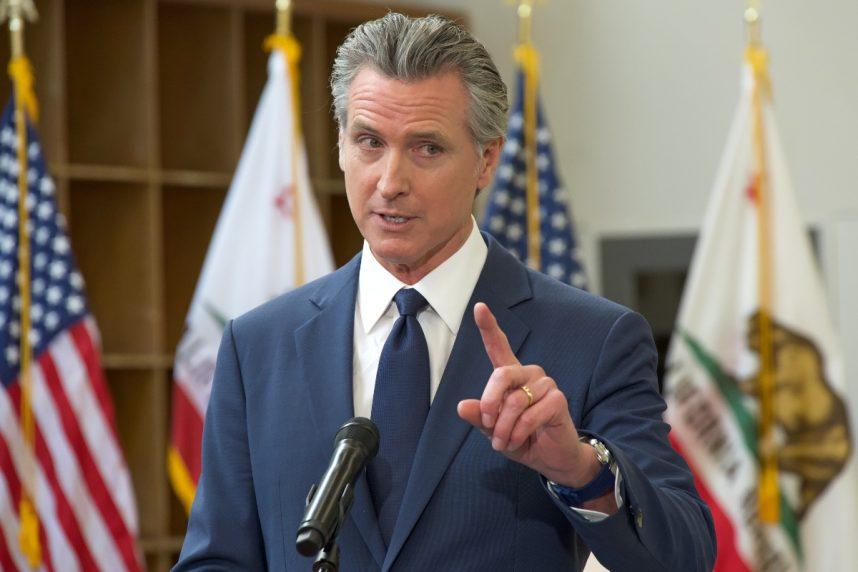
Governor Gavin Newsom (D) of California has enacted legislation prohibiting all types of online sweepstakes activities that allow participants to enhance their winning chances through monetary transactions. This law, signed on Saturday, renders it illegal for individuals or businesses to conduct online sweepstakes utilizing a “dual-currency system.”
In recent years, sweepstakes casinos have quickly gained popularity online within the US. Notable operators like Stake and Chumba assert that their platforms provide interactive social casino games that are free to play. However, they also offer a secondary currency, commonly known as sweeps coins, available for purchase.
Once wagered sufficiently, sweeps coins can be “redeemed” (not “cashed out”) for real money. Proponents of sweeps argue that since they give social players small amounts of free sweeps coins, such as 10 cents for consecutive logins, their gaming model resembles an online store giving customers a chance to spin a wheel for a discount on future purchases.
Many state attorneys general and legislators believe that internet sweepstakes casinos are merely a façade created by businesses to circumvent state laws against online gambling.
A Significant Signature
California joins states such as Connecticut, Delaware, Idaho, Michigan, Montana, and Washington in banning dual-currency online sweepstakes games. Ohio and Nevada have similar legislation in the pipeline.
Numerous other states have already issued cease-and-desist orders targeting major players in the sweepstakes market, significantly affecting the unregulated online gaming sector.
Eilers & Krejcik, a gaming consultancy that has supported sweepstakes games via the Social Gaming Leadership Alliance (SGLA), anticipates that online sweepstakes casinos will yield nearly $4.7 billion in gross gaming revenue for 2025, with California expected to account for $790.5 million.
Gross gaming revenue corresponds to the earnings retained by operators after paying out winnings. As sweepstakes casinos are unregulated and not subject to state taxes, they retain all of their profits.
California’s ban on sweepstakes will take effect on January 1, 2026. The majority of California voters expressed support for Newsom’s approval of Assembly Bill 831. Allegations surfaced that the SGLA had bribed four tribes to support their opposing stance.
“Voters, online gaming enthusiasts, California tribes, and operators all voiced their disapproval of a ban on this widely enjoyed and safe form of entertainment,” stated Jeff Duncan, executive director of SGLA. “We had hoped Gov. Newsom would recognize the competitive disadvantages posed by powerful, well-funded tribal interests behind this bill and veto AB 831, but he opted for the simpler, shortsighted decision, sacrificing choices, innovation, and economic growth.”
With California representing an estimated 17% of the online sweepstakes market, Newsom’s signing of AB831 significantly impacts unregulated online gaming operators.
Restricted Legal iGaming
Currently, only seven states — Connecticut, Delaware, Michigan, New Jersey, Pennsylvania, Rhode Island, and West Virginia — permit online gambling for real money through slot machines and live dealer table games.
Online sports betting is legal and available in 33 states, along with Washington, DC, with Missouri set to enter the online sportsbook market on December 1.