


MGM Resorts International has officially retracted its proposal to transition Empire City Casino in Yonkers into a fully operational commercial casino, marking a significant shift in the competition for a highly sought-after downstate New York gaming license.
This update was communicated by MGM Yonkers Inc., a division of the Las Vegas-based gaming powerhouse, via a letter to the New York State Gaming Commission and the Gaming Facility Location Board. The firm indicated that modifications in the competitive environment and new state guidelines have impacted the financial feasibility of its $2.3 billion initiative since its application was filed in June.
“Today, MGM Resorts made the tough choice to retract its application for a commercial gaming license in Yonkers, New York,” stated the company. “Since we submitted our proposal in June, the underlying competitive and economic factors associated with our application have changed, impacting our anticipated returns on the $2.3 billion investment.”
MGM highlighted that the unexpected emergence of four major contenders in a limited geographic region has intensified competition, diminishing the expected returns. Adding to this complication was a shift in the expected length of the license.
MGM previously based its investment approach on receiving a 30-year license, but recent state guidance now suggests only a 15-year license would be issued.
“In light of these developments, the proposition no longer reflects our commitment to capital stewardship, nor that of our real estate ally in Yonkers, VICI,” the statement continued.
Despite withdrawing its proposal, MGM will keep operating Empire City Casino in its existing format, featuring electronic table games and video lottery terminals. Since acquiring the racino in 2019, MGM has contributed $1.6 billion to New York State educational funding, with the venue generating over $5 billion in total since its inception.
Render of the proposed development

“We acknowledge that our decision will affect many people; we remain dedicated to operating the property as is and trust it will continue to thrive in serving patrons in Yonkers and surrounding areas,” MGM expressed.
The withdrawal represents a crucial change in the competition for up to three available downstate gaming licenses, with the process anticipated to conclude by year’s end. MGM’s bid for Empire City was widely viewed as a frontrunner, especially after receiving approval from a local Community Advisory Committee (CAC) last month, a key milestone in the state’s licensing process.
Yonkers Mayor Mike Spano voiced significant disappointment over the situation, sharply criticizing MGM’s decision and suggesting there may be more factors at play.
“I urge Governor Hochul to initiate an independent investigation into this process, as MGM’s explanations for their sudden reversal don’t seem to align,” Spano remarked. He also pointed to potential biases in the remaining proposals, including one from Bally’s, which is proposing a resort at a former Trump golf course in The Bronx.
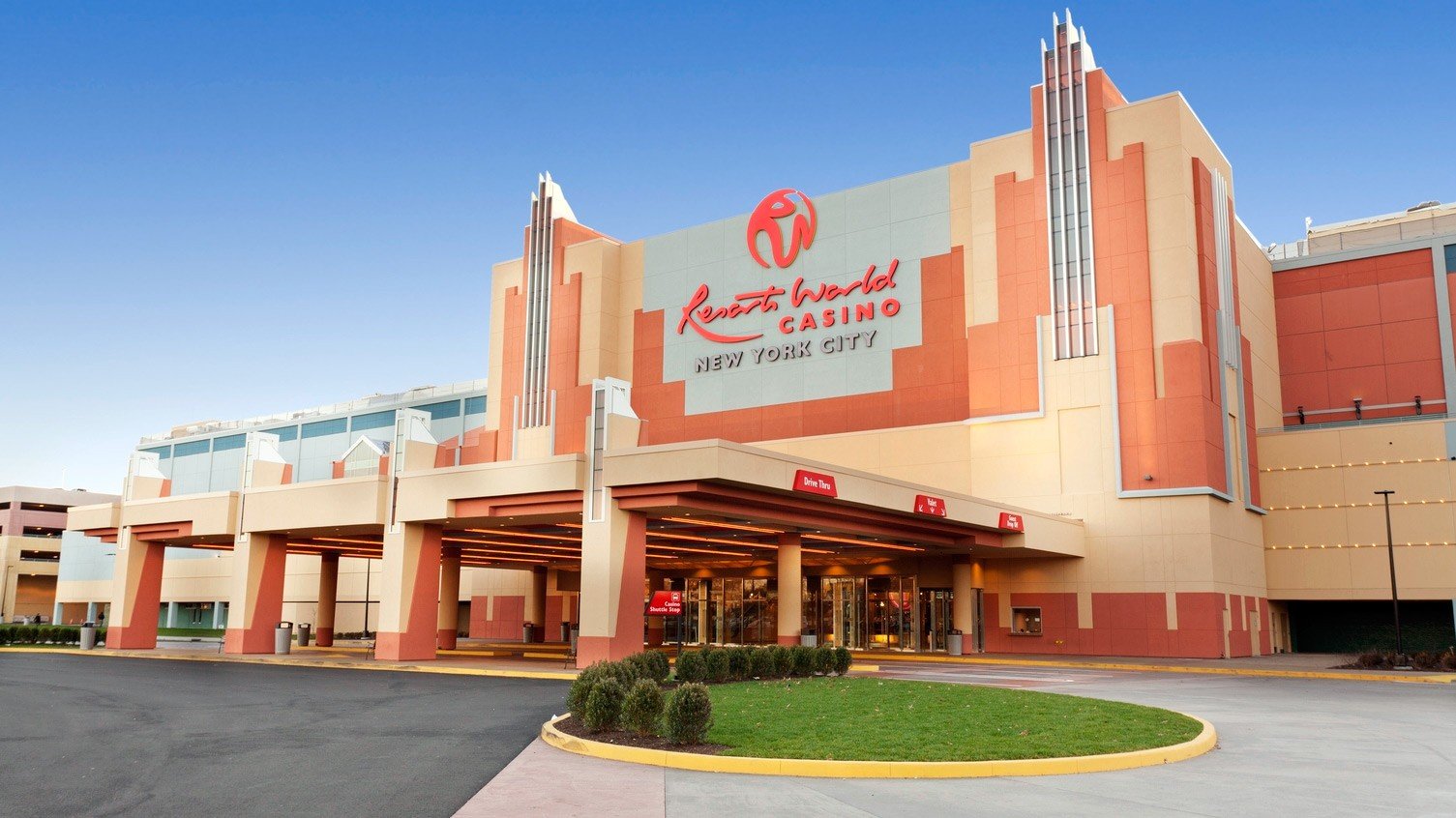
With MGM’s exit, three proposals remain in contention. Genting Group plans to expand its existing Resorts World facility at Aqueduct Racetrack in Queens into a full casino resort. This site was reported to be the highest-earning commercial gaming venue outside Nevada and Mississippi last year, according to the American Gaming Association.
In Queens, New York Mets owner Steve Cohen and Hard Rock International are developing an $8 billion casino and entertainment complex called Metropolitan Park, adjacent to Citi Field. This initiative has already achieved CAC approval.
The third surviving bid is from Bally’s Corporation, which intends to establish a casino resort at the Bally’s Golf Links site near Ferry Point in The Bronx. The Rhode Island-based operator recently revealed additional details regarding its plans to redevelop the former Tropicana site in Las Vegas.
While the New York State Gaming Commission can allocate up to three licenses, it is not required to issue all three. MGM’s departure occurs amid a competitive landscape already marked by notable bids, including proposals for casinos in Times Square and Hudson Yards, which have been derailed by community backlash. MGM’s Empire City Casino ranked as the sixth highest-grossing commercial property in the U.S. outside Nevada and Mississippi last year.