


Published on: November 3, 2025, 10:48h.
Updated on: November 3, 2025, 10:51h.

- Blue Jays infielder played a crucial role in Game 7 of the World Series
- Blue Jays fell short in 11 innings, final score 5-4
- At the season’s start, some sportsbooks had the Jays at 66-1 odds to win the World Series
After the World Series Game 7, Isiah Kiner-Falefa faced alarming online threats to break his legs, highlighting the darker side of sports gambling. But how much of this situation is driven by assumption versus reality?
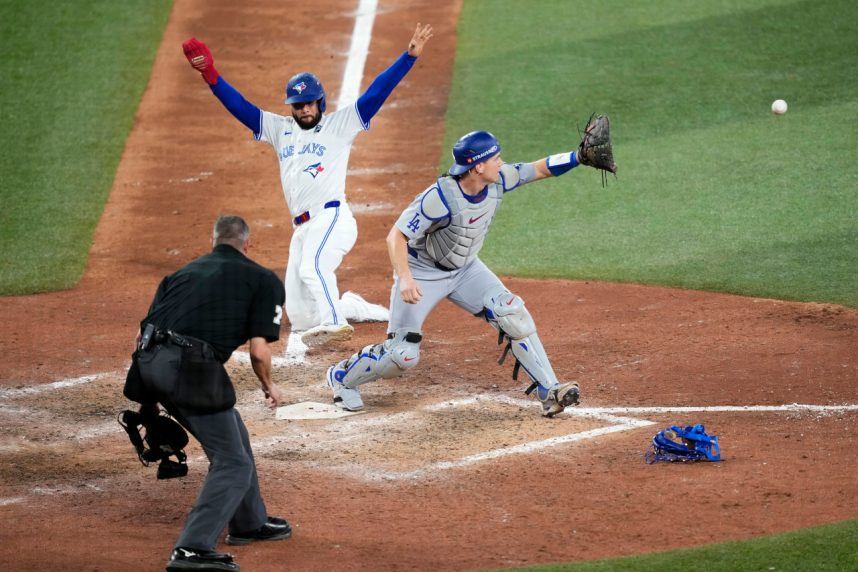
As reported by Sportsnet, following the emotionally charged aftermath of the Blue Jays’ nail-biting 5-4 loss to the Dodgers in Game 7, Kiner-Falefa shared that he was inundated with hateful remarks, including a threat aimed at breaking his legs.
The surge in sports betting has led many to presume that these threats stemmed from disgruntled gamblers—individuals who potentially lost substantial amounts or those anticipating a payout had the Jays clinched the championship, especially betting enthusiasts in Ontario who had staked on the Jays at the enticing 66-1 odds earlier in the season.
Unfortunately, irrational behavior often accompanies such situations.
Online Threats Examined
Given the ubiquity of sports betting today, assumptions will undoubtedly gravitate toward that angle. It’s possible that some who issued threats were simply disenchanted fans. However, public perception often skewers in a different direction.
“It appears some individuals lost significant money on last night’s game. That being said, it’s likely not typical fans but instead, compulsive gamblers. It’s astounding that professional sports organizations allow gambling advertisements, leading to its commonplace nature,” commented a user on Threads.
Another user on Threads echoed a similar sentiment: “Betting on sports has tainted the essence of fandom. People wager what they cannot afford to lose, and when a player’s misfortune occurs, their frustration spills over. No fan base is immune to this.”
Anyone monitoring the situation in Canada could recount the overwhelming sadness and weight many felt the day after Game 7. A local broadcaster even featured a psychiatry professor sharing advice on managing that despair.
The Key Play
Kiner-Falefa was advised to hold back to prevent being doubled up in the ninth inning when he was on third base, with the bases loaded and one out. Daulton Varsho hit a hard grounder to second baseman Miguel Rojas, who, though he struggled, made it home. Kiner-Falefa slid in, yet Dodgers’ catcher Will Hill managed to tag him out just as his toe grazed the plate.
The Blue Jays were literally just a toe away from clinching the World Series.
Reflect back on Addison Barger’s situation in Game 6, when the Jays suffered a fatal double play in the ninth inning, thanks to Kiké Hernández’s impressive fielding, eliminating Barger. That game ended in disappointment.
Following that incident, the Blue Jays took a more cautious approach with Kiner-Falefa in Game 7. Was it overly cautious? Perhaps. Observers noted that IKF had several steps he could have capitalized on, enhancing his chances to score.
Sportsbook’s Response?
It’s rare to see sportsbook operators providing a detailed analysis of bettor behavior. Instead, expect a generalized statement denouncing such behavior. When I approached a well-known Ontario sportsbook operator, they declined to comment on the matter.
Recall the incident in July regarding Boston Red Sox pitcher Lucas Giolito, who recounted being threatened online after a poor performance?
“FanDuel disapproves in the strongest terms of abusive behavior directed at athletes. Harassment or threats against athletes are intolerable and have no place in the world of sports,” they stated previously. The platform even expelled a customer earlier for harassing Olympic champion Gabby Thomas.
While sportsbooks can identify problematic individuals and take decisive action, the situation surrounding Kiner-Falefa touches on broader industry perceptions.
A Broader Societal Issue
“Social media platforms need to take responsibility and eliminate such harmful messages and the users behind them,” advised Phill Gray, a sports betting consultant and former head of trading operations at Sports Interaction. “These platforms cultivate toxic behavior across various sectors of society. Gaming cannot solely bear the blame; deeper societal issues are at play, particularly highlighted in tennis.”
“Ultimately, it’s about the individual. If you’re willing to publicly share such vile sentiments online, it points to deeper personal issues, regardless of your betting habits.”
Giolito previously remarked: “Social media apps, especially Instagram and Twitter, do little to address this issue.”
Currently, there is momentum led by a Canadian senator advocating for stricter regulations on sports betting advertising on a national scale. The discussions sparked by the chatter surrounding IKF are likely to intensify this push.