


Published on: November 7, 2025, 12:58h.
Updated on: November 7, 2025, 12:58h.

- Iowa officials monitored collegiate athletes’ betting practices without obtaining warrants.
- A judge determined the searches infringed on athletes’ Fourth Amendment rights.
- Investigators are immune from lawsuits due to qualified immunity protections.
A flawed investigation conducted by the Iowa Division of Criminal Investigation (DCI) into the gambling activities of numerous college athletes was deemed unconstitutional. However, the students are unable to seek compensation since the investigators enjoy qualified immunity, ruled a federal judge this week.
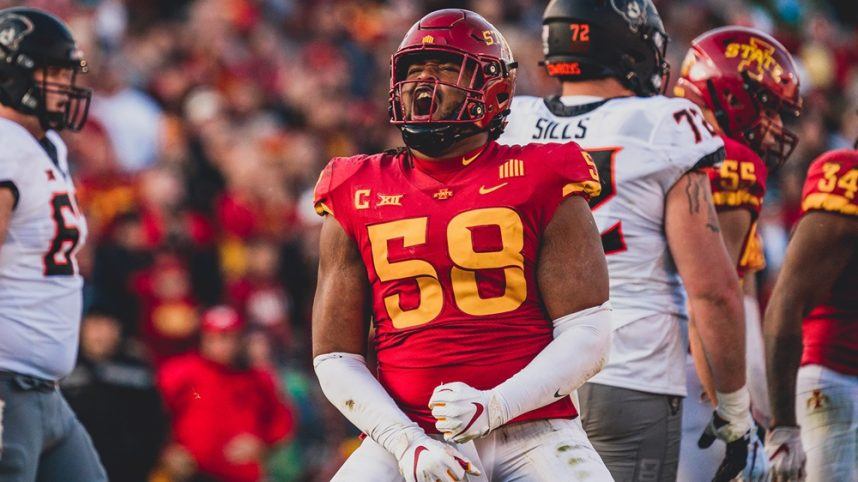
In April 2024, thirty-five athletes from Iowa and Iowa State initiated a lawsuit in the federal court of Des Moines, alleging that DCI agents improperly utilized geolocation tracking technology to surveil college betting without reasonable suspicion of criminal activity. The Fourth Amendment of the United States Constitution prohibits unreasonable searches.
The lawsuit claims that the investigation and subsequent ‘malicious’ prosecution severely disrupted the athletes’ lives, collegiate careers, and future prospects.
Improper Use of Technology
The DCI employed tracking software from GeoComply to oversee the betting activities of students on college grounds.
This software, typically utilized by online sportsbooks to ensure that bets are made within state borders, was also provided to law enforcement agencies to combat fraud.
Agencies could use it to pinpoint gambling “hotspots” — areas reporting an unusually high number of bets — to identify potential money laundering or other fraudulent activities.
Instead, investigators applied it on college campuses to catch underage gamblers. Once GeoComply learned of this misuse, it revoked the DCI’s access privileges, according to court filings.
The investigation revealed that numerous athletes placed bets while under the legal age of 21, frequently using online accounts registered to friends or family, leading to identity theft allegations.
Most athletes ultimately accepted guilty pleas, paid fines, and faced significant repercussions on their athletic careers, while four contested the charges and were acquitted.
On March 1, 2024, all remaining charges were dismissed without prejudice by a state court judge.
A number of athletes lost their NCAA eligibility, effectively ending their collegiate athletic careers.
Legal Shield for Agents
While U.S. District Judge Rebecca Goodgame Ebinger acknowledged that the DCI’s actions were illegal, she dismissed the lawsuit citing qualified immunity for the agents. This legal doctrine protects government officials from liability unless the violated constitutional right was well-established at the time.
No clear precedent has been set in federal courts regarding the use of app-based location data without a warrant.
Internal DCI emails obtained by the athletes’ legal representatives indicate that the investigation aimed to enhance the public image of its Sports Wagering Unit with higher authorities.
The messages also disclosed the negative sentiments expressed by some agents toward the athletes and the potential consequences of the investigation on their futures.
“If they face suspension or lose a scholarship, so be it,” one agent remarked in a February 2, 2023 email.