


Published on: November 11, 2025, 05:31h.
Updated on: November 11, 2025, 05:31h.

- AI misidentification results in wrongful arrest at Reno casino.
- Accusations against officer for evidence fabrication and false reporting.
- Lawsuit claims violations of civil rights and malicious prosecution.
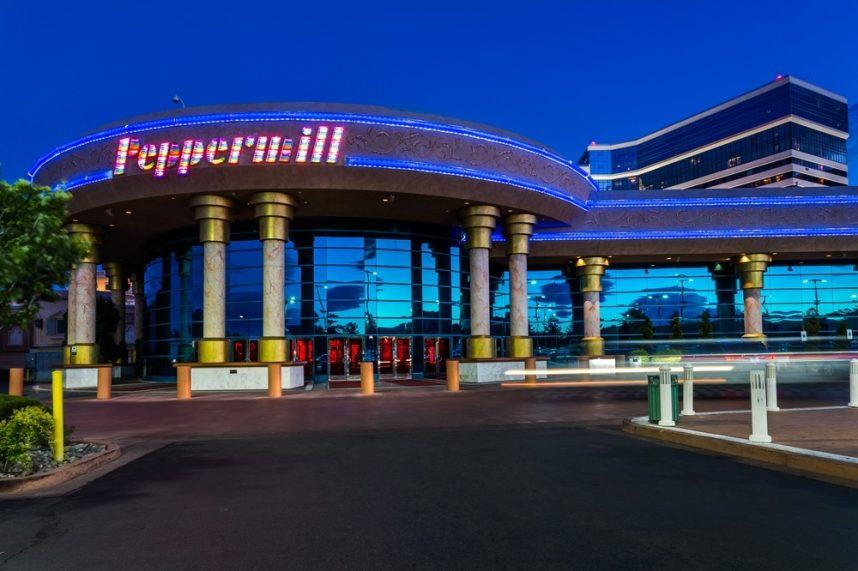
A long-haul truck driver’s routine stop at Reno’s Peppermill Casino in September 2023 turned into a distressing ordeal when he was erroneously identified by the establishment’s AI facial recognition system as a local troublemaker, as revealed in court documents.
The technology misidentified Jason Killinger as someone who had been banned from the venue months earlier for sleeping on site. Killinger’s image was said to match “100%” with that of the banned individual, referred to in legal documents as “M.E.”
Killinger was detained by casino security and subsequently arrested by a rookie officer of the Reno Police Department. Officer R. Jager, named in the legal filings, dismissed Killinger’s identification as fraudulent.
The truck driver endured an 11-hour detention due to this wrongful arrest, with four of those hours spent in handcuffs, resulting in bruises and shoulder pain, according to the lawsuit filed in the US District Court for the District of Nevada.
Ultimately, Killinger was released after a fingerprint verification confirmed he was not the individual being sought.
‘False Statements’
Upon settling a lawsuit with the Peppermill Casino for an undisclosed sum, Killinger is now pursuing charges against Jager for alleged evidence fabrication and malicious prosecution.
Killinger asserts that Officer Jager “knowingly included false statements” in both the incident report and the arrest declaration, claiming conflicting IDs based on assumptions of fraudulence.
This occurred despite Killinger providing a valid Nevada driver’s license, UPS pay stub, and vehicle registration, all matching his name and physical descriptors.
The lawsuit alleges this amounted to “deliberate falsification” aimed at establishing “probable cause” after the officer noted discrepancies between the casino’s assertions and Killinger’s documentation.
Jager purportedly told a supervising officer that Killinger “probably has a DMV connection,” suggesting he had access to forged identification. There was no evidence to support this claim.
Fabrication by Concealment
Killinger contends that Jager’s actions infringed upon his Fourteenth Amendment right to due process. He argues that Jager’s reports omitted critical information about the fingerprint verification and misrepresented Killinger as uncooperative with conflicting identities. These omissions constituted fabrication by concealment, according to the lawsuit.
The complaint seeks a range of damages, including compensatory, special, and punitive, although specific amounts are not disclosed.