


Published on: November 18, 2025, at 10:29 AM.
Updated on: November 18, 2025, at 10:33 AM.

- New Orleans Player Among Six Banned by NCAA
- Player Claims He Required “Quick Cash” to Support Newborn
- Player Informs Good Morning America that a Las Vegas Gambler Approached Him for Scheme
A basketball player has been permanently banned by the NCAA following a sports betting investigation, where he confessed to intentionally lowering his performance in games during an interview on Good Morning America.
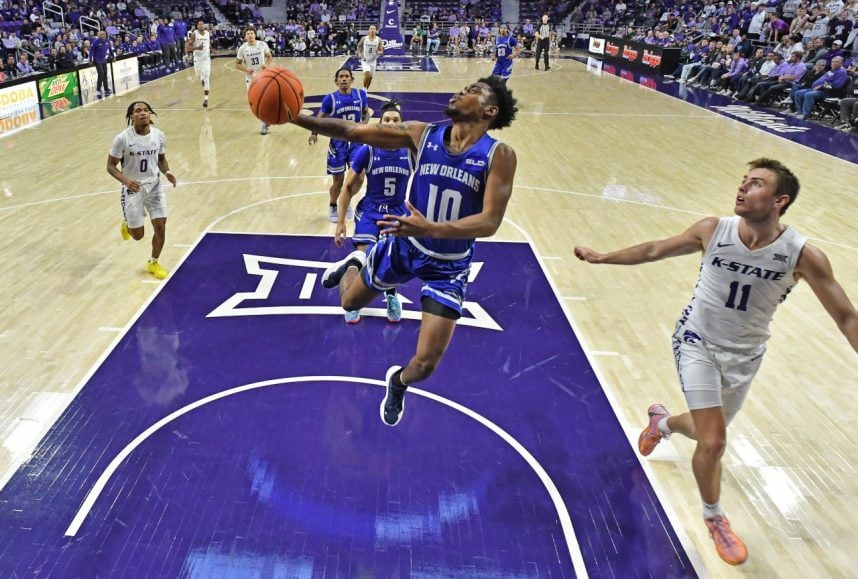
Dae Dae Hunter, a former guard for the University of New Orleans, is one of six basketball players facing NCAA bans, having confessed to his role in a gambling scandal. Along with Hunter, his teammates Dyquavian Short and Jamond Vincent also had their eligibility revoked. The other involved players include Chatton “BJ” Freeman from Arizona State and two athletes from Mississippi Valley State, Donovan Sanders and Alvin Stredic.
Points shaving occurs in sports when an athlete intentionally performs poorly, such as missing key shots in basketball, to influence betting odds and outcomes to benefit certain bettors.
Manipulation of Game Performance
According to Hunter, seven basketball games for New Orleans are currently under review for suspicious betting-related activity.
“I did engage in point shaving,” he revealed on Good Morning America. “I went onto the court and didn’t give my all—missing shots while occasionally making a few.”
He disclosed that players had been contacted by an unnamed bettor from Las Vegas.
“I was driven by financial need,” he stated. “I needed fast cash.”
$5,000 Compensation
Hunter shared that he wasn’t concerned about fulfilling the obligations for the bettor, indicating they were “95 percent” sure of their plan to influence the game’s outcome. The NCAA’s investigation uncovered text exchanges between Hunter and Short discussing a $5,000 reward for their involvement in the gambling scheme.
Hunter mentioned that his motivations were rooted in a desire to provide for his newborn child.
“The university wasn’t providing me with financial support, so I was trying to find funds to support my child,” he explained. He admitted to misleading the NCAA during its inquiry.
“I attempted to fabricate my story, thinking it would help me escape the situation,” he confessed. “Learn from my errors and don’t repeat my mistakes.”
NCAA Investigation Overview
As previously reported, the NCAA indicated in September its investigation into 13 former men’s basketball student-athletes for potential breaches of sports betting regulations across six schools during the time in question.
Alleged misconduct includes athletes betting on their own teams, sharing illicit information for betting purposes, knowingly manipulating game outcomes, and refusing to cooperate with investigations.