


Published on: November 24, 2025, 11:05h.
Updated on: November 24, 2025, 11:05h.

- Ohio’s Governor publicly expresses regret over the 2021 sports betting legislation
- Mike DeWine is spearheading a movement to ban player prop bets in college and professional sports
Ohio Governor Mike DeWine (R) enacted the state’s sports betting statute in December 2021. Now, reflecting four years later, the Republican leader admits he has second thoughts about that decision.
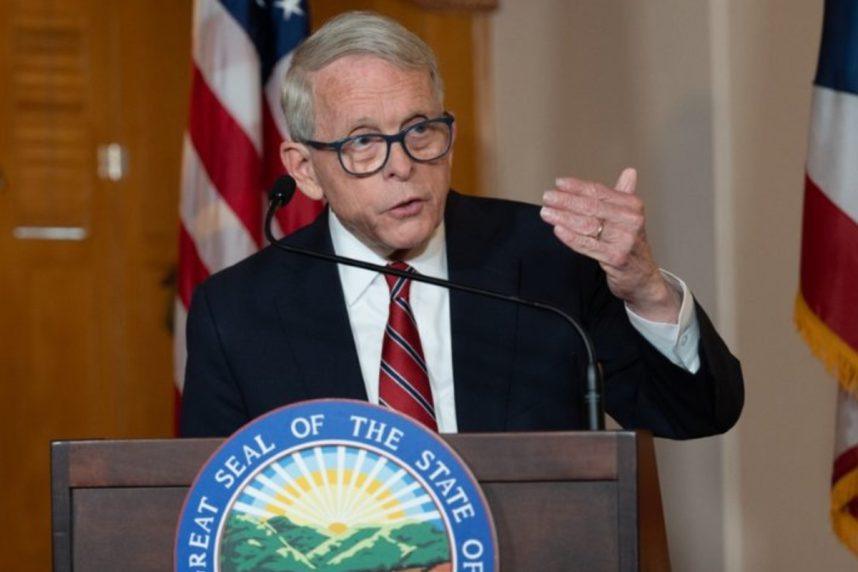
House Bill 29 sanctioned both mobile and physical sportsbooks in Ohio. This legislation enabled local casinos and racinos to collaborate with sportsbooks for in-person and online wagers. Additionally, it permitted bars and restaurants to feature sports betting kiosks under the Ohio Lottery.
Starting in January 2023, Ohio’s sports betting landscape has emerged as one of the most lucrative in the country, with over $23.3 billion legally wagered on various sports, netting operators over $2.5 billion. Despite this burgeoning industry generating close to half a billion in tax revenue, DeWine remains conflicted about supporting sports gambling.
DeWine’s Concerns
In a recent discussion with the Associated Press regarding the MLB betting controversy involving Cleveland Guardians pitchers, DeWine admitted he underestimated the significant marketing budgets sportsbooks would invest to normalize sports betting.
“While gambling has always existed, the scale and financial resources these companies possess to promote betting are vastly different following legalization,” DeWine stated.
“Ohio absolutely shouldn’t have ventured into sports betting,” DeWine asserted.
With eight professional sports franchises and a population that is passionate about college sports, major sportsbook companies quickly seized the opportunity for market entry once DeWine approved it nearly four years ago. The market now sees significant competition, notably from FanDuel, DraftKings, Fanatics, BetMGM, and Caesars Sportsbook.
Proposed Sports Betting Reforms
DeWine, alongside NCAA leader Charlie Baker, is actively advocating for the removal of player prop bets from both collegiate and professional sportsbooks.
Player prop bets, which rely heavily on an individual athlete’s performance, are under scrutiny for potentially compromising the integrity of sports since a single corrupted player can significantly impact the game’s result.
Currently, Guardians pitchers Emmanuel Clase and Luis Ortiz are implicated in allegations of manipulating their play in exchange for bribes from illicit bettors. In the NBA, star Terry Rozier is facing accusations of feigning injuries and compromising games for outsiders.
Previously, DeWine urged the Ohio Casino Control Commission to ban player props for college sports, which they implemented. However, player props for professional sports remain available.
In light of the Guardians’ scandal, Major League Baseball and authorized sportsbooks have recently reached an agreement to restrict certain player prop bets.
“I commend Commissioner Rob Manfred, Major League Baseball, and its affiliates for taking decisive action against micro-prop bets. By limiting large wagers on these micro-prop opportunities, MLB is making essential strides to uphold the integrity of the game and diminish incentives for participating in unethical betting activities,” remarked DeWine. “I call on other sports leagues to emulate Major League Baseball’s proactive stance.”