


Published on: December 3, 2025, at 12:10 PM.
Updated on: December 3, 2025, at 12:11 PM.

- Macau Expedites Closure of Satellite Casinos Under New Gaming Regulations
- SJM Integrates Casino Fortuna Employees with Employment Safeguards
- Closures Signal Transition to a Diversified, Tourism-Centric Economic Strategy
SJM Holdings, a prominent casino operator in Macau, has confirmed that the Casino Fortuna will permanently close on December 9.
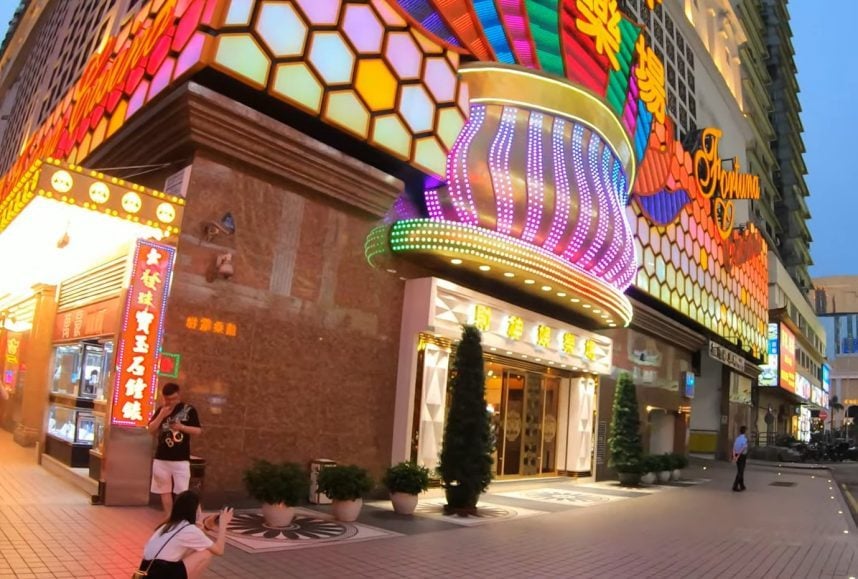
Established in 2005 at the western end of Avenida da Amizade (Amizade Strip), this casino has been recognized as an economical choice for both gamblers and travelers wanting a simple, low-stakes gaming experience separate from larger resorts.
SJM is dedicated to integrating Casino Fortuna’s 553 employees into its other Macau properties.
Macau’s gaming authority, the DICJ, confirmed its collaboration with the Labor Affairs Bureau to “monitor adherence to the commitments made by SJM regarding the relocation of these workers, ensuring their salaries, benefits, and working environments are preserved, while providing them opportunities for job transitions, aimed at maintaining their employment.”
Minimalist Appeal
This closure adds to a growing trend of satellite casino shutdowns within the gambling hub—these smaller, no-frills venues have primarily operated under SJM’s gaming license. The Casino Kam Pek Paradise, for instance, halted activities on December 1, just two days after Ponte 16 Casino closed.
In total, 10 out of Macau’s 11 sub-licensed satellite casinos will cease operations before the year’s end. The only exception, L’Arc Macau, has been acquired by SJM and will continue functioning.
These shutdowns follow a three-year grace period initiated by the new Gaming Law in Macau, which restructured the sublicensing framework, compelling satellite casinos to either close or be absorbed by main licensed operators.
Unlike the expansive mega-resorts enriched with non-gambling family-friendly facilities, satellite casinos tend to concentrate heavily on gaming. They typically share a segment of their revenue with their overarching license holder.
Shift in Focus
This arrangement emerged as a strategic solution after the opening of Macau’s gaming market in 2002, which limited the number of licenses to six. Allowing external operators to manage casinos under those licenses created room for expansion without increasing the number of official permit holders.
With the conclusion of the first 20-year licensing period in 2022, the renewal process provided Macau the chance to tighten regulatory oversight—this involved closing loopholes and ensuring only license holders are directly accountable for casino operations.
This shift aligns with the broader expectations from Beijing, which seeks for Macau to diversify its economy and evolve into a “world-class tourism hub,” rather than relying predominantly on gaming revenues.
This transition poses challenges to the continued existence of satellite casinos, which reflect the older, gaming-centric model that Macau aims to move beyond.