


Published on: January 13, 2026, 06:04h.
Updated on: January 13, 2026, 06:04h.

- Man attempted to cash in a $115K Fantasy 5 ticket; staff identified it as stolen.
- District office checks and electronic records assisted investigators in locating the ticket.
- Areeb claimed his uncle handed him the ticket; later confessed to the false claim.
A Florida resident faced arrest after trying to redeem a $115,733 winning lottery ticket at a Florida Lottery office, with officials discovering the ticket had been reported stolen weeks prior.
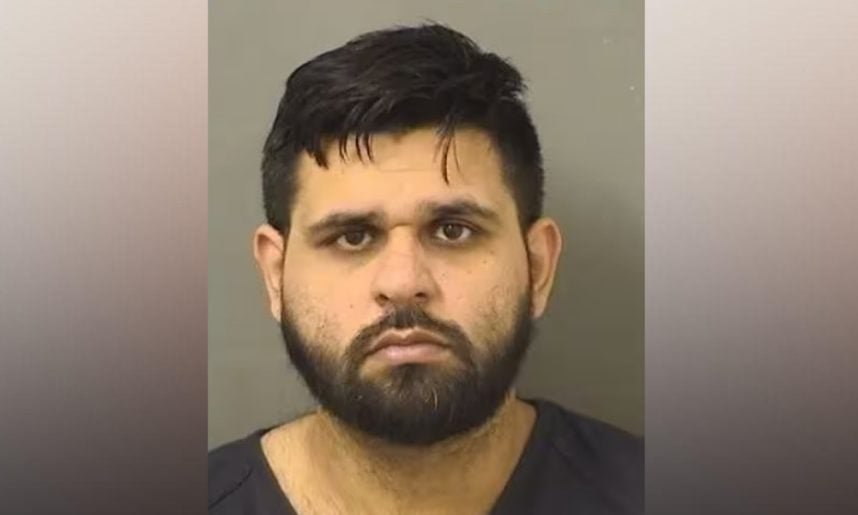
Jawed Areeb, 26 years old, arrived at the West Palm Beach office on October 30 holding a ticket from the Florida Lottery’s Fantasy 5 game, as reported by CBS12. This substantial payout likely indicates a jackpot win, presumed to include all five matching numbers, although officials have not confirmed that detail.
Tracing the Ticket
According to lottery regulations, prizes exceeding $600 must be claimed at a district office, where more stringent identification and verification protocols are enforced.
Since Fantasy 5 is a draw-based lottery game, purchased tickets are electronically registered at the time of sale, allowing authorities to flag the ticket as stolen during the claims process.
In spite of the evidence, Areeb asserted that the ticket belonged to him. During a further investigation led by a Florida Lottery law enforcement agent, Areeb claimed that his uncle had given him the ticket to cash.
When pressed to provide his uncle’s identity and the location of his workplace, Areeb cited the same address where the ticket was reported stolen. Consequently, he was arrested and taken to the Palm Beach County Jail on January 3.
Potential Legal Consequences
Under Florida statutes, a lottery ticket is deemed personal property, and possession of the ticket grants rights to any winnings it may yield. Thus, attempting to cash in on a stolen winning ticket is classified as theft of the winnings, not merely theft of the paper itself.
If prosecutors choose to pursue charges based on the attempted theft’s value, it would qualify as first-degree grand theft, given the amount exceeds $100K. This carries a maximum sentence of up to 30 years in prison and potential fines reaching $10K.
However, maximum penalties are infrequently enforced, especially in non-violent cases involving unsuccessful thefts.
In a similar incident in 2023, a Massachusetts convenience store employee attempted to cash a stolen $3 million scratch-off ticket from a customer and faced multiple felony charges. Yet, the judge allowed leniency, sentencing Carly Nunes, 24, to two years of probation while mandating continued treatment for substance abuse in February 2024.