


Published on: January 26, 2026, 07:21h.
Updated on: January 25, 2026, 05:20h.

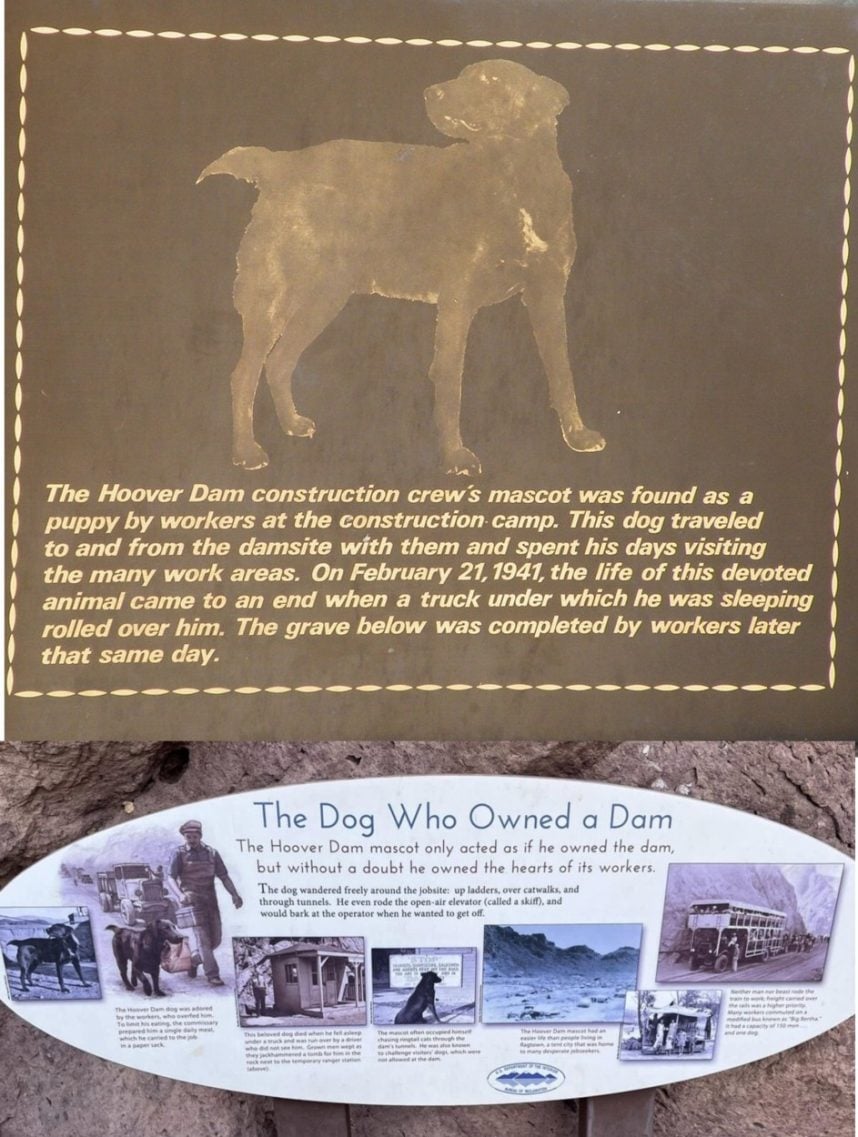
Upon visiting Hoover Dam, some guests may stumble upon a grave tucked away in an alcove near the entrance, the sole burial on site. It commemorates a dog, referred to on a plaque as the “mascot of the Hoover Dam construction crew.” However, the plaque intriguingly omits one vital detail — his name.
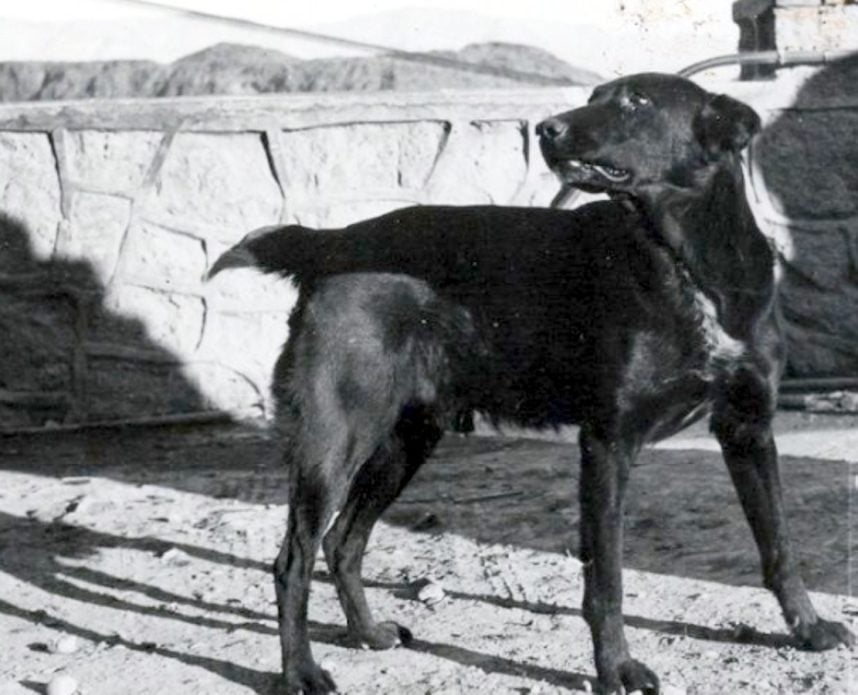
Have you ever known a cherished dog that remained nameless? Neither have we, as he did have a name — though it’s kept a mystery.
The charming black Labrador mix emerged into the world in 1932, underneath the No. 4 barracks in Boulder City, Nevada, where Six Companies — the contractor in charge of the dam’s construction — housed its labor force.
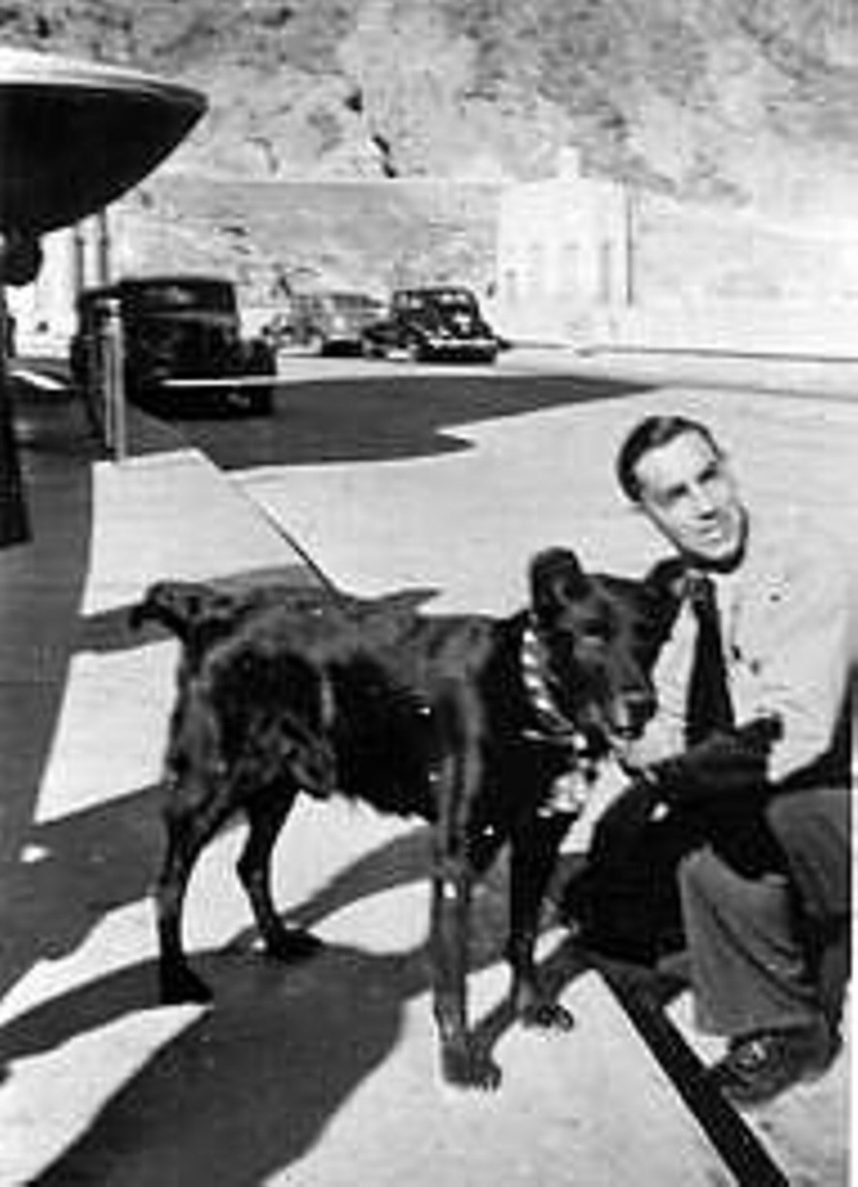
The workers quickly adopted the young pup, sharing their meals, allowing him to rest in their sleeping quarters, and ultimately bringing him on their daily trips to the dam construction site. He became a joyful respite from their demanding jobs, riding in the open-air lifts, navigating through inspection tunnels, and playfully chasing the pesky ring-tailed cats found around the work area.
During lunchtime, the crew always ensured he shared their food. Unfortunately, like many dogs, his favorite treats often upset his stomach. This prompted the mess hall to prepare a special dog lunch for him to enjoy alongside his friends. He proudly carried his food container to the worksite.
The pup’s sweet tooth even encouraged the town’s physician to run an advertisement in a local newspaper (presumably the Boulder City Journal, though no copies remain). The ad read:
I adore candy but it makes me unwell
It’s also bad for my fur
Please refrain from feeding me anymore.
Your friend, Nig.
Indeed, That Was His Name
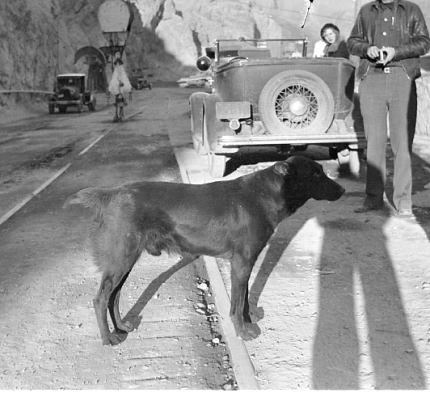
This name was given with endearment, and it was surprisingly common for black dogs during the 1930s.
After the construction of the dam concluded, new teams arrived to set up the hydroelectric turbines. The affectionate canine remained, mingling with the electricians and mechanics who took over for his former companions.
On an unusually warm day, February 21, 1941, everyone’s beloved dog found a cool spot beneath a truck. Unfortunately, the driver missed him when starting the vehicle, and the tragic accident occurred.
His demise was instantaneous.
Boulder City was heartbroken. One newspaper described that “tough, rugged men cried openly and without shame.” The workers donated funds to provide him with a concrete resting place overlooking the dam — a spot where he could watch over them indefinitely.
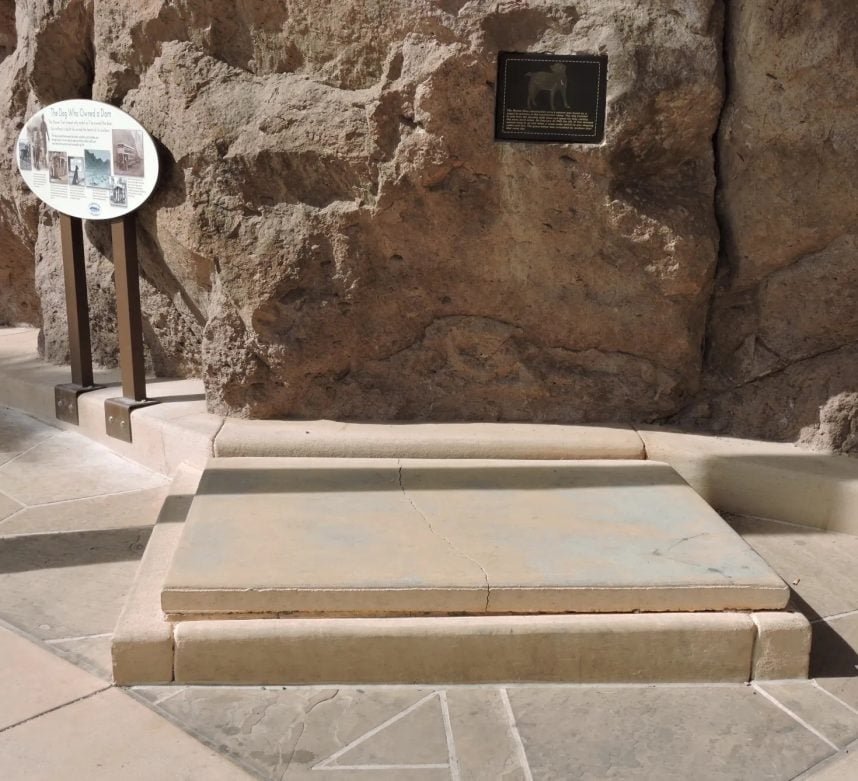
The bronze plaque established in his memory lasted until 1979, when a professor from Wisconsin filed a complaint with a Bureau of Reclamation supervisor regarding its racially insensitive wording. Initially dismissed, he escalated it to his Congressional representatives, leading to national media attention.
On March 21, 1979, the Bureau removed the original plaque. After protests from surviving workers, a new bronze plaque was placed. Eventually, a sign was created titled “The Dog Who Owned a Dam,” featuring seven images and an extensive tribute of over 200 words.
Regrettably, both markers failed to include the dog’s name.
On Historical Revisionism
Instead of utilizing the opportunity to address the reasons behind the inappropriate name of the Hoover Dam mascot, the Bureau opted to erase its existence altogether.
This occurred not once, but twice.
The impulse to sanitize history for contemporary viewpoints may seem protective, yet ignoring the harsh realities of the past only hinders our ability to learn from them. When we erase offensive terms, censor art, or pretend certain mindsets were nonexistent, we construct a false narrative that distances us from the lived experiences of those who endured them.
In the 1930s, America was grappling with severe racial issues. Notably, black laborers seeking employment at Hoover Dam were systematically rejected by Six Companies. Of the 21,000 men who contributed to the dam’s construction between 1931 and 1935, fewer than 50 were individuals of color.
This inclusion only happened due to federal intervention. Moreover, none were permitted to reside in Boulder City with their colleagues.
Understanding history truthfully does not endorse past errors but instead serves as a commitment to transparency, responsibility, and the opportunity to grow from them.
Even today, park rangers are instructed to withhold the true name of the Hoover Dam construction crew’s beloved mascot when inquiries arise.
Catch “Vegas Myths Busted” every Monday at Casino.org. Visit VegasMythsBusted.com for more insights into previously uncovered Vegas myths. Have a suggestion for a Vegas myth that needs investigating? Reach out at [email protected].