


Published on: January 27, 2026, 11:09h.
Updated on: January 27, 2026, 11:34h.

- Lumbee Tribe lands acquisition in North Carolina along I-95
- Purchase coincides with congressional movement for federal recognition
- Chairman emphasizes referendum first; potential plans for resort or industrial park
The Lumbee Tribe of North Carolina has partially secured approximately 240 acres for around $6 million during a pivotal moment when Congress was voting on granting the tribe long-overdue federal acknowledgment, according to WUNC News. This development raises the possibility of North Carolina’s fourth casino.
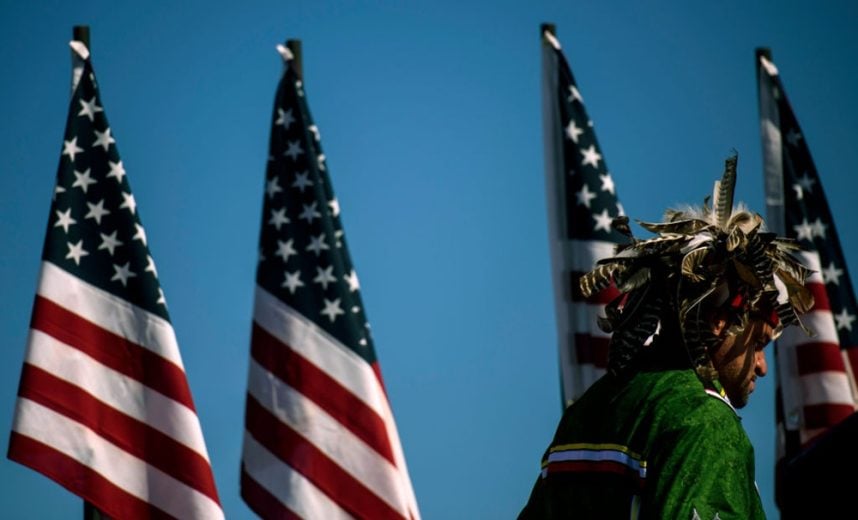
The acquired land is situated in Robeson County, a region in southeastern North Carolina known for its concentration of Lumbee Tribe members, and has been previously identified as a potential site for a Lumbee casino. The parcel offers direct access to Interstate 95, strategically positioned to attract both local and traveling visitors.
If a casino is constructed, it would stand as the only major gaming venue along the I-95 corridor between New Jersey and Florida, a position that could present significant economic benefits for the tribe, according to analysts.
Challenging Path to Recognition
The Lumbee have sought federal recognition for over 130 years. Gaining this recognition would establish a government-to-government relationship with the United States, allowing the tribe to access federal programs and legal authorities, including the capacity to place land into trust and potentially operate casinos under certain conditions.
With around 60,000 members, the Lumbee are the largest tribe in North Carolina, a crucial swing state where their voting influence could be significant. The Lumbee Fairness Act was incorporated into an essential federal defense spending legislation that President Donald Trump signed at the close of 2025.
Tribal Chairman John Lowery expressed that the subsequent step is to request the land’s placement into trust. This federal process involves the government holding the title on behalf of the tribe, formally recognizing it as tribal land.
Lowery stated to WUNC that no decisions regarding a casino would be made without first seeking the will of the tribal community through a referendum.
“The type of economic development we pursue in this new era, whether it includes gaming or not, will be decided by the Lumbee people’s consensus,” he remarked.
Possibilities of a Full-Scale Resort?
If the Lumbee opt against gaming, alternative plans involve transforming the land into a business and industrial park. Should they choose the gaming route, Lowery imagines a expansive resort boasting amenities like a golf course or water park.
“Existing laws and regulations provide substantial incentives for corporate investment in our community,” Lowery said. “Both paths could generate thousands of jobs and serve as an economic uplift for our tribal region and the wider state area.”
Currently, North Carolina hosts three casinos: two managed by the Eastern Band of Cherokee Indians in the western region and one operated by the Catawba Indian Nation in south-central North Carolina.