


Published on: February 11, 2026, 01:38h.
Updated on: February 11, 2026, 01:49h.

- Vibrant lounge performances embodied the spirit of the Las Vegas Strip during the 1950s and ’60s.
- Louis Prima and Mary Kaye elevated intimate lounge stages into premier entertainment hubs.
- Lounges were among the first Vegas institutions to fade due to corporate optimization.
During the iconic Las Vegas heyday of the 1950s and ’60s, the lavish showrooms were reserved for the big-name stars, while the lounges served as the heart of the Strip. While legendary acts like Sinatra and Liberace dazzled crowds of 500–1,000 in the Copa Room at the Sands and other major venues, lounge performers captivated audiences of just 200–250, showcasing high-energy acts throughout the night.
The Significance of Lounges
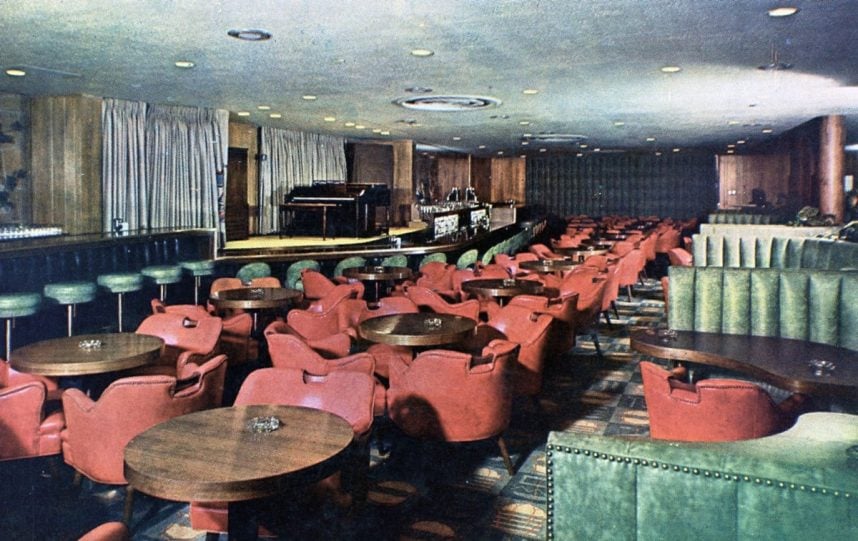
The lounges were vital to the Las Vegas experience. Before the rise of nightclubs and 24-hour mega-resorts, these spots offered a combined experience of drinks and entertainment for just a two-drink minimum. They encouraged creative performances and a relaxed atmosphere, where musicians often transitioned from main stage gigs to informal jam sessions in the lounges at 2 a.m., capturing the spontaneous vibe that became synonymous with Las Vegas.
“The lounge was where high rollers and regulars mingled only a few tables apart, where the main act and the blackjack dealer interacted on a level playing field,” noted Las Vegas entertainment writer Mike Weatherford in his 2001 book, Cult Vegas. “It was a space where affordable drinks and live music softened the casinos’ financial grip.”
Key Figures in Lounge History
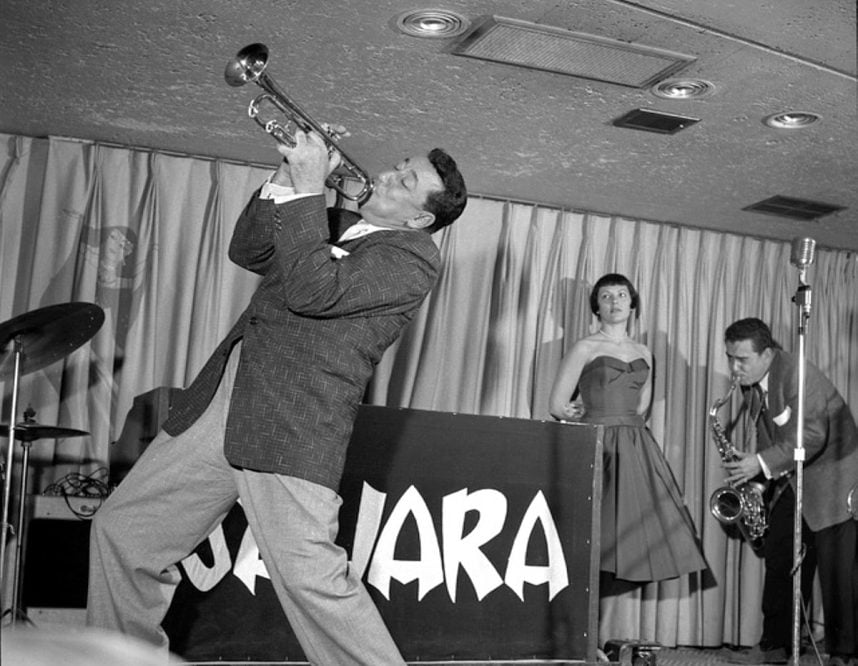
The lounge scene’s standout star was Louis Prima, who established residency at the Saharan Casbar in December 1954. With his witty fourth wife, Keely Smith, and saxophonist Sam Butera, he transformed the venue into the hottest spot in Las Vegas.
Their performances, a dynamic mix of jump blues, jazz, and humor, attracted the attention of the Rat Pack, who would frequently leave their dressing rooms just to catch a glimpse. Prima was the first to secure a $1 million annual lounge contract, demonstrating that performers on the sidelines could rival the mainstage talent.
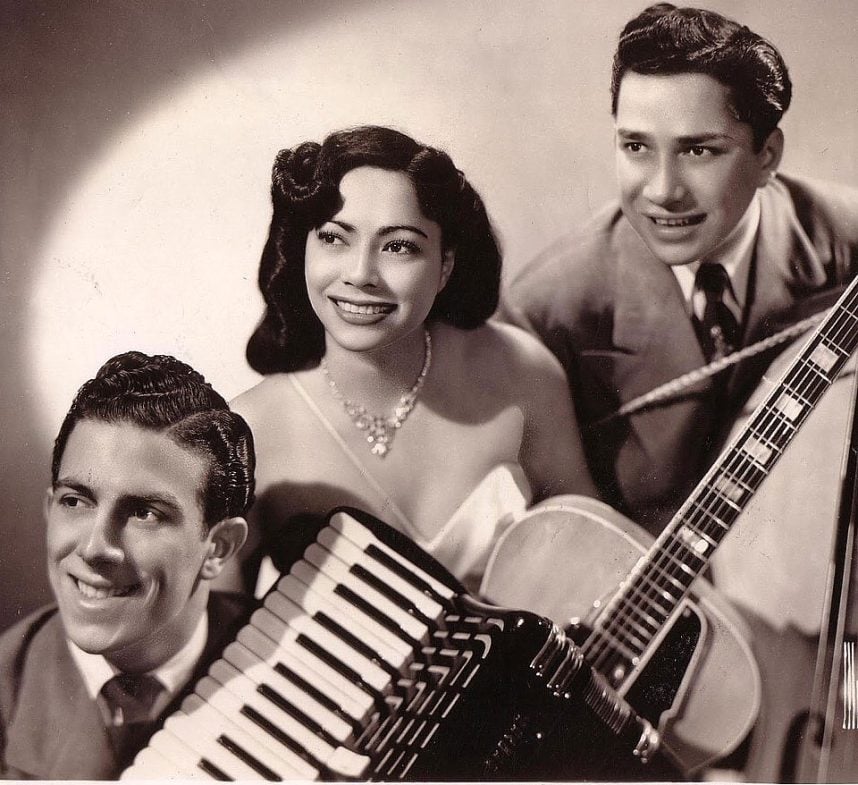
Mary Kaye, celebrated as the “first lady” of the lounge, redefined lounge entertainment, evolving it from a mere venue into an engaging performance style. Born Malia Ka’aihue in Detroit, she led the Mary Kaye Trio, featuring an electric guitarist and two male co-stars who delighted audiences with their singing and comedic antics.
Performing from 1-6 a.m. at the Last Frontier bar a year before Prima’s Casbar opening, they compelled casinos to keep the gaming tables operational around the clock, contributing to Las Vegas’s transformation into a city that never sleeps.
Iconic Venues of the Era
- Casbar Lounge (Sahara): The epicenter of the Prima phenomenon, it featured an expansive 85-foot bar and a stage that attracted gamblers with its vibrant sounds.
- Sky Room (Desert Inn): Situated atop the resort, this lounge was known for its breathtaking views, offering a sophisticated retreat for celebrities and high-rollers, featuring piano maestros instead of loud brass bands.
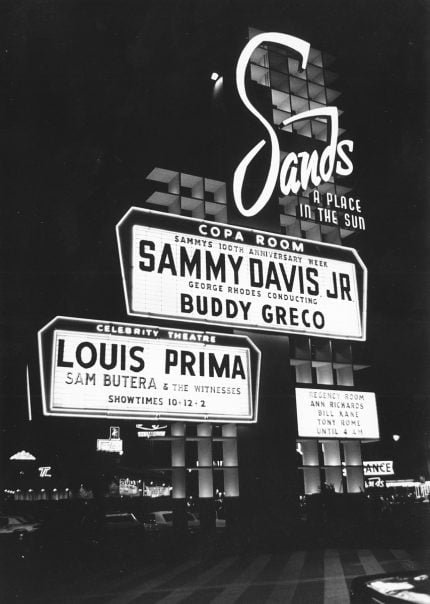
- Celebrity Theatre (Sands): The informal hub for Off-duty Rat Pack members. Designed for intimacy, it became the favored location for spontaneous jamming sessions after the Copa Room shows ended.
- Flamingo Lounge: Setting the stage for mob-era luxury, this venue hosted big-band legends like Harry James, characterized by tuxedos and sophisticated martinis, representing a bridge between the swing era and early rock n’ roll.
- Persian Room (Dunes): Known for its exotic “Arabian Nights” theme, this venue showcased a rotating lineup of acts that kept excitement high. It was one of the last to uphold the “no cover, no minimum” concept.
Decline of the Lounge Scene
The downturn of lounge performances was no coincidence; it was driven by corporate calculations.
- Profitability Concerns: For many years, lounges operated as loss leaders. As casinos transitioned from illicit mob ownership to public companies in the late 1980s, optimizing every square foot for profit became essential. Most original lounges were dismantled, and no new ones emerged, as rows of slot machines proved to be far more lucrative.
- The “Stay” Dilemma: Paradoxically, the quality of lounge acts kept audiences from gambling, as patrons often lingered over a single drink for hours to enjoy the performance.
- Rise of Nightclubs: By the 1990s, casinos recognized they could generate higher revenue by charging significant entrance fees for DJ-led nightclubs rather than offering complimentary jazz to seated attendees. Presently, most casinos function as rental spaces, leasing to nightclub corporations who assume all the financial risks.
“Lost Vegas” is a recurring Casino.org series that highlights the often-overlooked history of Las Vegas. Click here to explore other entries in the series. If you have a compelling Las Vegas story lost to time, feel free to reach out at [email protected].