


Published on: March 2, 2026, 07:47h.
Last updated on: March 2, 2026, 07:48h.

- Kalshi faces backlash over contracts linked to the fate of Ali Khamenei
- The Iranian supreme leader was killed on Saturday
- His death caused trading contracts to revert to prices prior to the US-Israeli assaults
Kalshi is encountering significant backlash after the resolution of market contracts predicting whether Ayatollah Ali Khamenei, the Supreme Leader of Iran, would be ousted by a specific date, which correlated with trading prices before the US-Israel strikes.
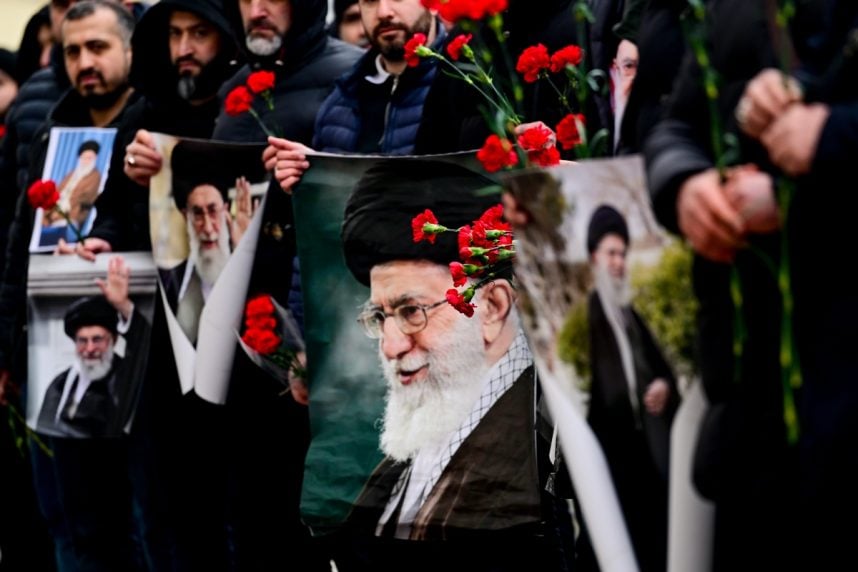
The United States and its allies, particularly Israel, initiated airstrikes on Iran at 1:15 a.m. EST on Saturday, targeting key facilities associated with the Islamic Revolutionary Guard, including Khamenei’s residence.
Later on Saturday, both the US government and Iranian officials confirmed Khamenei’s death due to the airstrikes. Traders on Kalshi who bet YES regarding his ousting expected a payout of $1 for each share they owned but instead received payments based on the “last traded price” prior to the attacks.
Prediction markets, regulated by the Commodity Futures Trading Commission, are not allowed to provide event contracts tied to terrorism, assassination, or war.
Kalshi Faces Scrutiny
As tensions escalated leading to the strikes on Iran, Kalshi bettors speculated on whether Khamenei would remain in power. The contracts, heavily promoted by Kalshi, included various deadlines for his potential removal, notably targeting March 1.
Prior to the attacks, shares betting on Khamenei’s ousting by March 1 traded at just 9 cents. Following the confirmation of his death on February 28, traders anticipated their YES shares would be valued at $1. Instead, shares from a market with over $54.5 million in trading volume were resolved at 9 cents.
Kalshi’s policy for the Khamenei market disclosed that in the event of death, payouts would be determined according to the last traded price before such an occurrence.
Kalshi acknowledged the regulations were “grammatically ambiguous” and committed to clearer terms for future contracts.
CEO Tarek Mansour is engaged in damage control as numerous users express dissatisfaction.
The stipulation regarding death and settlement based on the last-traded price were made clear in the rules from the beginning. While some YES traders feel deserving of a win (where the market should have resolved to YES), the regulations indicate that in cases of death, it won’t settle to YES. Traders expect consistency in adhering to the rules, and altering the payout due to one party’s dissatisfaction would undermine trust in the exchange,” Mansour stated on X.
“We will improve moving forward. This experience has taught us invaluable lessons… The strongest part of Kalshi is our community, and I apologize for any disappointments,” Mansour remarked.
Critics questioned why Kalshi initiated the Khamenei contract in the first place when death was not a valid outcome for the entire contract.
“Ah, yes, a dictator was going to voluntarily step down,” read one comment on X. Another inquired whether Kalshi had markets predicting Khamenei losing in a potential “snap election.”
Trader Compensation
Many YES bettors voiced grievances about receiving less than $1 upon market resolution.
One individual, who invested $303.90 in YES shares for Khamenei’s ousting by March 1 at a 6% implied probability, shared a screen capture indicating he was owed $4,588 had the market settled at $1; instead, he received only $91.76.
Kalshi is rectifying the situation by covering all trading fees and compensating net losses from this market. Affected traders can view their credits under “Your activity” on both the app and website.
“Kalshi did not gain from this market. We do not profit based on the outcome. Our revenue comes from facilitating trades. For this market, we refunded all user fees and also outlaid net losses to ensure no trader ended up at a loss. Consequently, Kalshi sustained considerable losses to make users whole,” Mansour concluded.