


Published on: March 3, 2026, 04:50h.
Updated on: March 3, 2026, 04:50h.

- Mick Mulvaney forms coalition to contest prediction markets such as Kalshi
- States and tribes advocate for the regulation of prediction markets as gambling entities
- CFTC faces fresh challenges as political allies support prediction markets
Former Chief of Staff Mick Mulvaney is taking a stand against prediction markets. The ex-U.S. Representative (R-S.C.) announced on Monday his support for states and tribal governments in the ongoing dispute regarding the regulation of platforms like Kalshi.
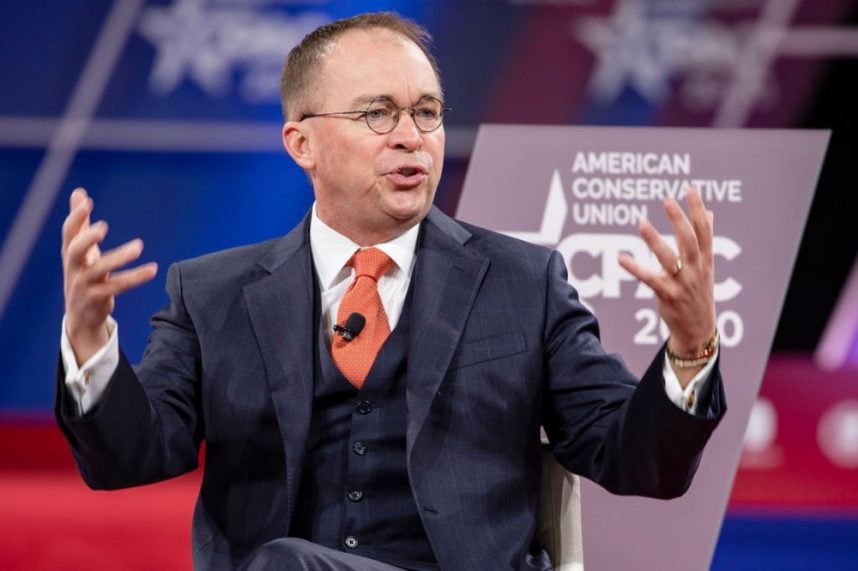
Mulvaney is spearheading a new advocacy group, “Gambling Is Not Investing,” which launched this Monday with the goal of urging that prediction markets be governed by state gambling regulations.
Currently, prediction platforms are under the jurisdiction of the Commodity Futures Trading Commission (CFTC), as the contracts they provide, which pay out based on future event outcomes, are classified as derivatives.
Difference Between Trading and Gambling
However, Mulvaney, acting as the executive director of this coalition, asserts that they are straightforward “gambling” activities.
“Referring to sports betting as ‘trading’ or ‘investing’ misleads consumers, endangers responsible gaming initiatives, and undermines the state and tribal structures designed to protect the public and finance essential community services,” Mulvaney stated on Monday.
“Gambling products, irrespective of their label, must adhere to existing state and tribal regulations,” Mulvaney emphasized.
Prediction markets argue that federal regulation provides a buffer against state gambling statutes. Conversely, numerous states and tribal coalitions, including Nevada, have filed lawsuits asserting that these markets should be subjected to their regulatory authority.
Political Connections
The plaintiffs might be banking on Mulvaney’s reputation as a prominent figure from the Trump administration—he served as acting White House chief of staff from 2019 to 2020—to support their case.
However, prediction markets enjoy backing from influential individuals within the present administration, including Donald Trump Jr., who is on the advisory board of Polymarket and whose firm invested substantially in the platform last year.
Moreover, CFTC chief Mike Selig, appointed by Trump, is noticeably more amenable to prediction markets compared to his predecessor, who had initiated legal action against Kalshi, accusing it of evolving into “an online casino” prior to the last presidential election.
In contrast, Selig recently conveyed to states that sought to contest CFTC oversight: “Let me be clear: We will see you in court.”
This statement arose in response to a group of Senate Democrats who recently urged the CFTC to avoid commenting on ongoing court cases regarding the appropriate regulation of prediction markets, especially concerning event contracts related to “sports, war, and other forbidden events.”
With legal battles continuing and regulators sharply divided, the conversation surrounding whether prediction markets are financial exchanges or merely a form of gambling is far from settled.