


Published on: March 16, 2026, 08:59h.
Updated on: March 16, 2026, 09:01h.

- Virginia’s skill gaming might be making a comeback following a compromise by the General Assembly.
- These skill games won’t be subjected to a required minimum payout rate.
- There is considerable opposition to the proliferation of gaming machines across the state.
During the weekend prior to its Sunday adjournment, the Virginia General Assembly was notably active in discussions.
In the final hours of the legislative session, multiple bills were passed, including two significant measures aimed at promoting gambling within the state. Fairfax County has been approved as a potential site for a casino, a decision that has stirred controversy among local officials.
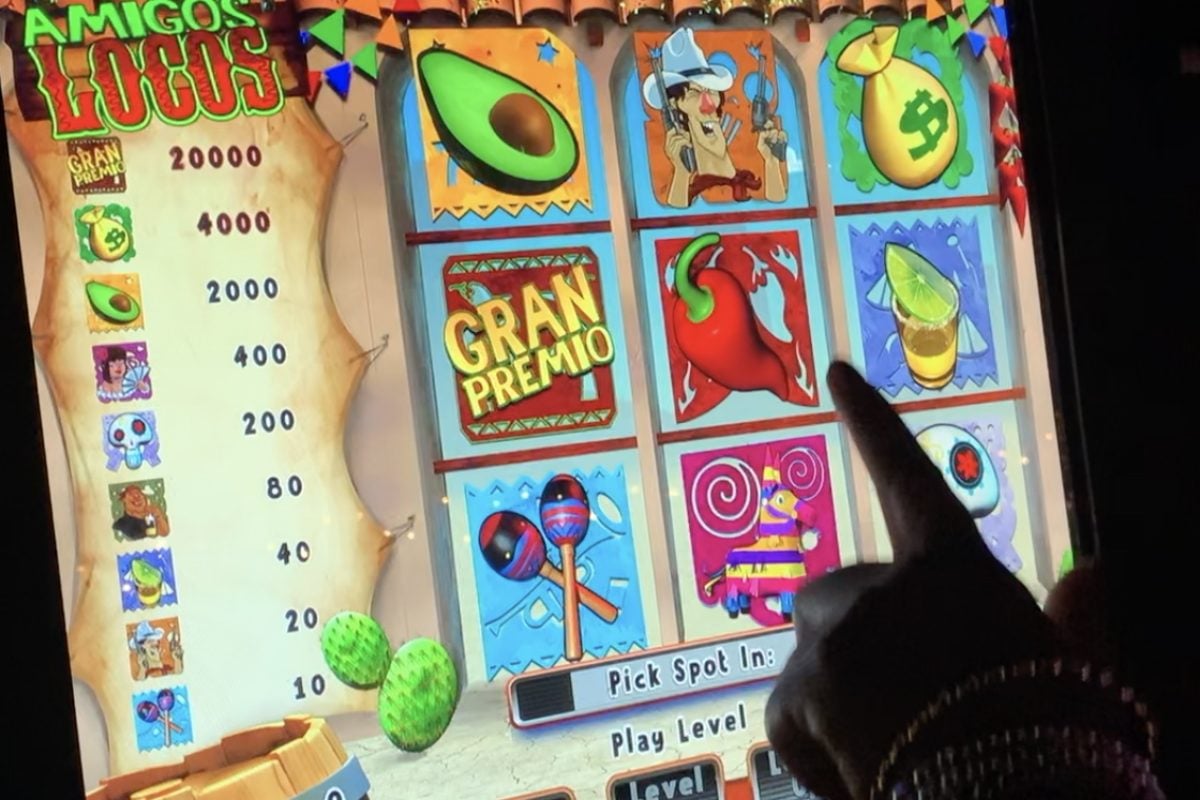
Senate Bill 661, sponsored by Sen. Aaron Rouse (D-Virginia Beach), proposes the reinstatement of skill games in small businesses like bars, restaurants, convenience stores, gas stations, and truck stops. This legislation to reintroduce slot-like gaming machines, authorized temporarily during the COVID-19 pandemic to support local businesses, received backing from both the Senate and House of Delegates.
However, there were significant differences between the chambers regarding the regulations imposed on skill games. A Joint Conference Committee convened several times to develop terms that would be acceptable to both legislative bodies.
One of the most contentious agreements is that these games are not required to operate with a minimum payout percentage. Conversely, Virginia’s casinos are mandated to have at least an 84% payout rate.
“There is no enforced minimum or maximum payout percentage,” as stated in the final iteration of SB661.
Details on Virginia’s Skill Gaming Legislation
The finalized version of Senate Bill 661 presented to Governor Abigail Spanberger (D) mandates that the Virginia Lottery Board oversee inspections of all electronic skill game devices before they can be made available for play. Additionally, the Board is limited to approving a maximum of 25,000 skill games statewide.
Businesses situated within 10 miles of a casino are prohibited from hosting skill games, and public schools are forbidden from allowing these machines on their premises. Any machines that disrupt the proper functioning of educational facilities are also banned.
The skill games in Virginia will have a maximum bet set at $5, and winnings will be capped at $4,000. The legislation stipulates that players must be at least 21 years old.
The state will impose a 25% tax on the gross revenue generated by skill games. This tax revenue will be directed to the Gaming, Commerce, and Development Fund.
Subsequently, the Gaming, Commerce, and Development Fund will allocate 75% of the revenue to the General Fund, 15% to the Department of Taxation for distribution to the localities where the host locations are situated, 6.5% to the Virginia Lottery Board, 2.5% to the Problem Gambling Treatment and Support Fund, and 1% to the Department of State Police.
While many support the return of gaming machines, there are also significant concerns about their placement on street corners within the state. The organization Virginians Against Neighborhood Slot Machines argues that such devices exploit vulnerable groups, elevate the risk of underage gambling, and potentially increase issues related to problem gambling.
The Virginia Council on Problem Gambling echoes these apprehensions.
“Although our organization does not take a definitive stance for or against legalized gambling, we express concerns regarding the absence of regulations in a non-casino context. This raises serious issues about minors potentially accessing these machines. Given their widespread availability, children are likely to encounter them regularly in convenience stores, restaurants, and gas stations, where age restrictions are difficult to enforce,” the VCPG conveyed to Spanberger in January.
“This is particularly alarming, as research suggests that initial exposure and engagement in gambling could lead to future gambling issues,” the VCPG added.
Will Governor Spanberger Approve?
Spanberger has indicated a willingness to explore additional gambling avenues in Virginia, provided the state sets up a cohesive regulatory body.
A proposal aimed at funding such a gaming commission, outlined in House Bill 271, will be revisited in the 2027 session after passing the House but stalling in the Senate. A similar proposal to establish a gaming commission, funded by tax revenue from legalized iGaming, was also shelved.
Spanberger will assess two bills forwarded by the General Assembly that seek to broaden gaming without a centralized agency overseeing the various commercial gambling forms presently operating in the state. Virginia has assigned the oversight of casinos and sports betting to the Virginia Lottery Board, an agency that is reportedly becoming overstretched, according to sources in Richmond.