


Published on: March 20, 2026, 11:21h.
Updated on: March 20, 2026, 11:21h.

- Scotland and Wales pass legislation to prohibit greyhound racing in swift succession
- Declining industry and animal welfare issues propel legislative actions
- England’s ban seems unlikely soon due to a thriving industry and betting connections
Lawmakers in Scotland have made the decision to outlaw greyhound racing, merely a day after similar legislation emerged from Wales.
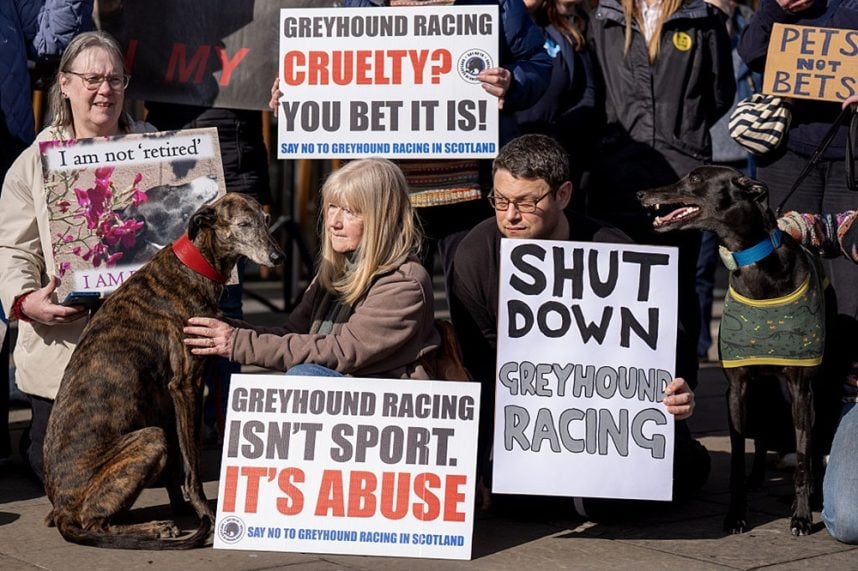
The Greyhound Racing Prohibition Bill received support from 70 Members of the Scottish Parliament (MSPs), while 27 cast votes against it, and 19 abstained. This decision ends a sport that dates back to the late 1920s and had previously enjoyed significant popularity.
At its height, Scotland boasted 20 racing tracks, but interest has significantly waned in recent years. The last operational track, Thornton Stadium in Kirkcaldy, Fife, shut down in the previous year.
Green MSP Mark Russell, who championed the bill, expressed to fellow members that greyhound racing cannot be dismissed as merely a “harmless pastime,” emphasizing that Scotland must not lag behind other nations in banning the activity.
“Racing greyhounds at speeds of up to 40 mph poses serious risks, leading to devastating injuries and fatalities. Dogs suffer from broken legs, spinal injuries, paralysis, and severe head trauma,” Russell stated.
Wales Takes Action
In Wales, the situation mirrors that of Scotland, with only one remaining operational dog track, Valley Greyhounds located in Ystrad Mynach. Lawmakers approved the ban with a vote of 39 to 10, with two abstentions.
The ban in Wales could be implemented as early as April 2027, allowing Valley Greyhounds to conclude its operations during the transition.
The Greyhound Board of Great Britain (GBGB) has sought a judicial review challenging the legality of the ban, claiming the Welsh government did not conduct a thorough consultation before the vote.
Animal rights advocates have praised both legislative actions. Christine Dorchak, President and General Counsel for GREY2K USA Worldwide, characterized the outcomes as “significant victories” that “indicate ongoing progress towards a total ban on greyhound racing throughout the UK and globally.”
“These votes reflect compassion and rationality, a decisive statement against a declining industry on the verge of extinction,” she remarked.
England Remains Hesitant
In contrast, England appears unlikely to soon prohibit greyhound racing due to its active and economically viable industry. Multiple tracks continue to operate, providing jobs and maintaining strong links to the betting market.
The government has signaled no intentions to ban the sport, instead preferring enhanced regulatory measures and improved animal welfare standards.
According to data from the GBGB, 123 dogs died at tracks registered in England and Wales in 2024, along with 3,809 recorded injuries.