


Article Date: April 8, 2026, 08:21h.
Updated on: April 7, 2026, 11:54h.

- The Sands Hotel was constructed atop the remnants of a 1940s roadside casino initially known as the Kit Carson Club
- Former LAPD vice officer Guy McAfee, linked to organized crime, along with Flamingo founder Billy Wilkerson, faced downfall at this location
- The historic club evolved into the Sands’ upscale dining venue, where Frank Sinatra experienced one of the most renowned confrontations of his career
For many years, the spirit of a once-thriving roadside casino lingered within the Sands, camouflaged by the mid-century allure of the Rat Pack’s entertainment hub. While many narratives about the Strip suggest that the Sands emerged on a barren desert plot in 1952, it actually boasts an exciting past filled with appearances from notable figures in Las Vegas history, leading up to one of Frank Sinatra’s most famous encounters.
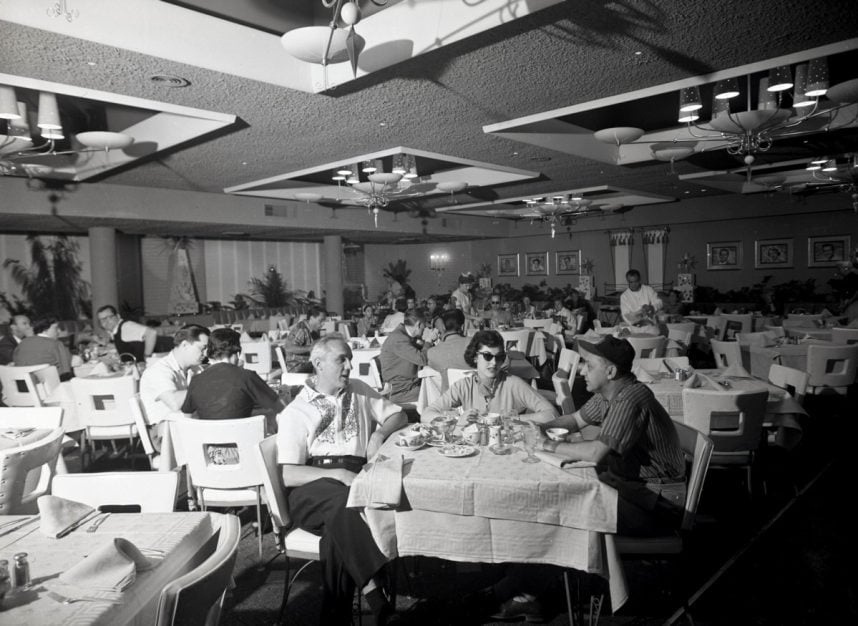
Established in 1946 along a remote stretch of Highway 91, the Kit Carson Club didn’t initially make waves. This quintessential roadside “grind joint” featured a narrow layout with a bar and a few table games, designed to catch the attention of drivers traversing the long route from Los Angeles. (Kit Carson, a scout for explorer John C. Frémont’s 1844 expedition, was responsible for the first scientific map and report on the Las Vegas Springs.)
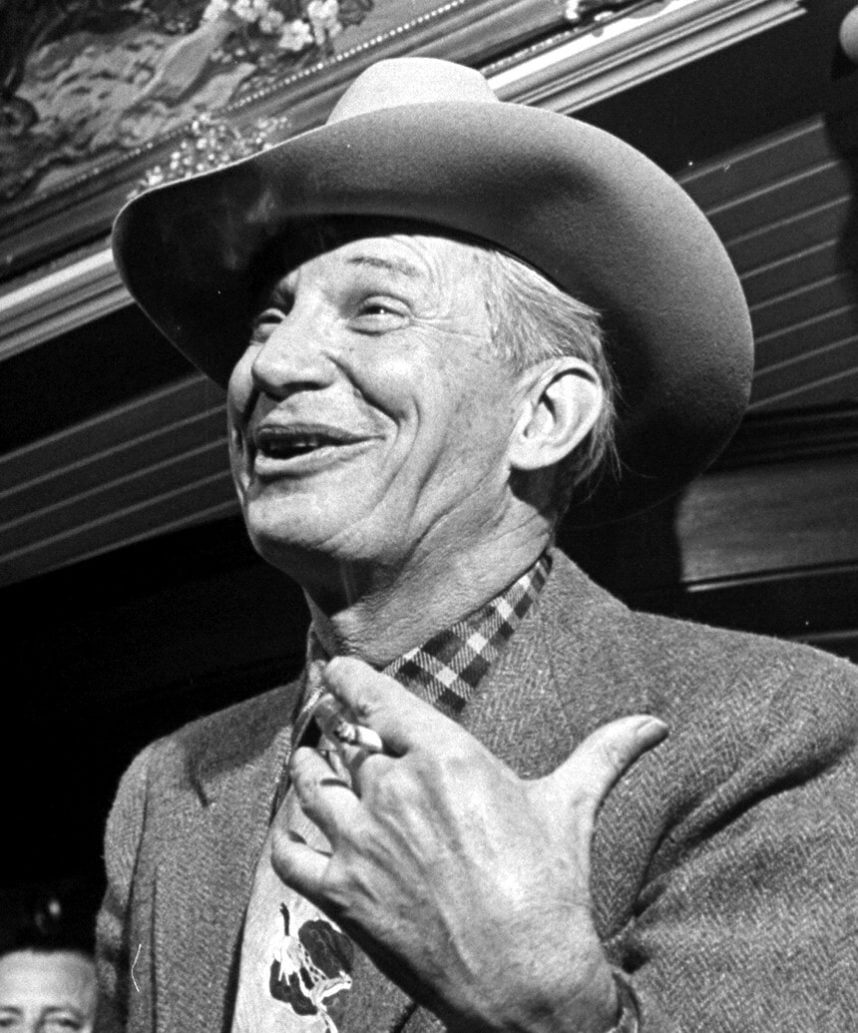
The club was legally established by Harold Bynum, David Anderson, and George Frisbee, who secured the construction permits in 1945. Their “clean” identities served as a necessary cover for the project’s true backer: Guy McAfee.
McAfee was a vibrant, mob-affiliated former L.A. vice officer known for coining the term “Las Vegas Strip” in 1939—a claim that has come under scrutiny. Although McAfee publicly managed the former Pair-O-Dice as the 91 Club, this new venture was a clandestine move, as Nevada Tax Commission was wary of his notorious past.
By 1950, McAfee turned his attention to the upscale Golden Nugget he had established four years prior; the Kit Carson Club became a burden he chose to close.
A Visionary’s Second Unfortunate Setback
The license passed down with the Kit Carson Club’s land intrigued Billy Wilkerson. He was a Los Angeles nightclub impresario (and gambler) who founded the Flamingo, subsequently losing it to Bugsy Siegel after taking mob financing for its construction in 1946.
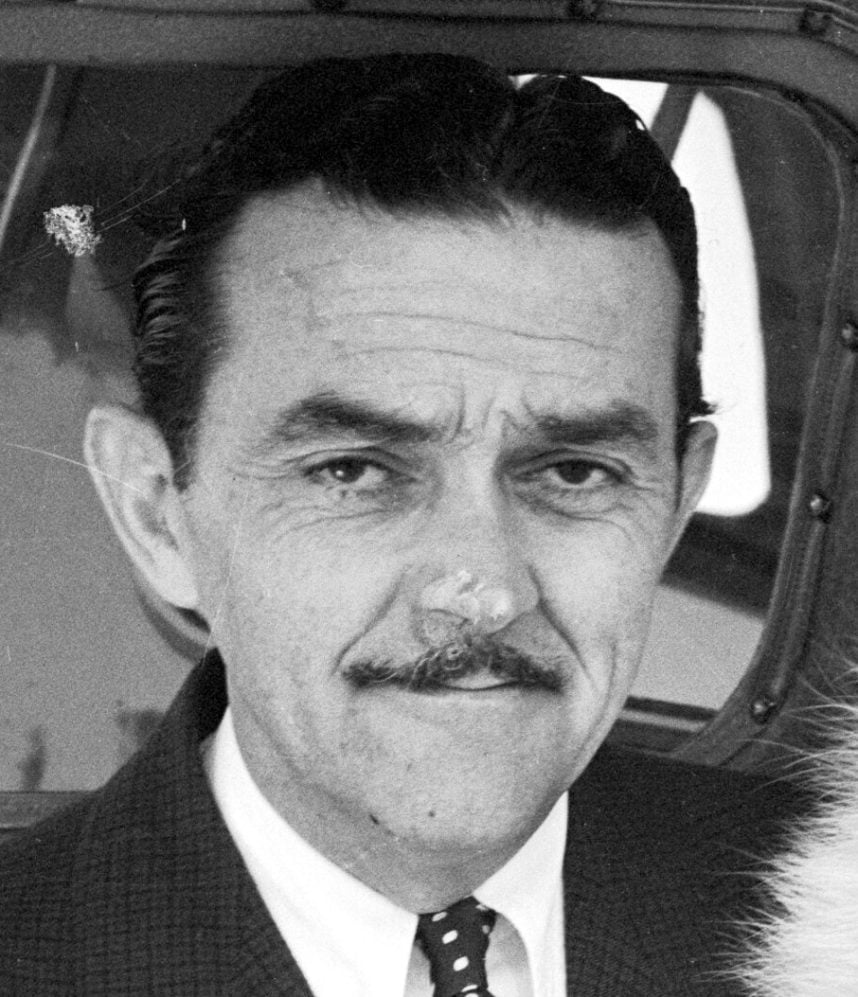
By 1950, Wilkerson faced dwindling options. After a series of financial difficulties and scrutiny from regulators regarding the Flamingo, acquiring a new Nevada gaming license solo seemed far-fetched. Thus, he turned to the Kit Carson Club’s license.
Collaborating with Nola Hahn—the leading “ghost operator” of illegal gambling establishments in L.A.—Wilkerson invested $150,000 (equivalent to roughly $1.9 million today) to rejuvenate the Kit Carson Club. Detesting its cowboy motif, he redesigned and relaunched it as Club La Rue on December 23, 1950, capitalizing on the fame of his Hollywood French restaurant.
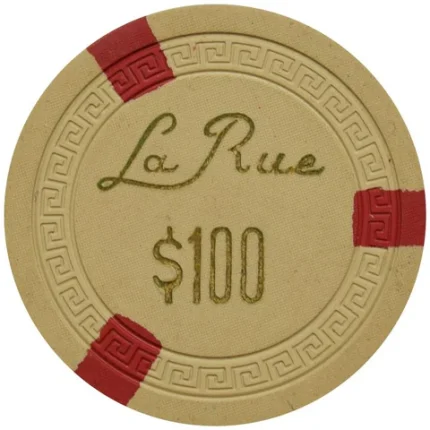
Unfortunately, the affluent clientele Wilkerson envisioned never materialized. The casino, featuring blackjack and roulette tables, often sat empty as drivers flocked to the Flamingo and Thunderbird on their journey from L.A. to Fremont Street.
Another Missed Opportunity
Before the Sands could emerge, the location almost faced demolition once more. Mack Kufferman, a liquor distributor from New Jersey, acquired the Club La Rue remains in 1951, intending to raze it for a new resort. Yet, his ties to mob figure “Doc” Stacher rendered him toxic to gaming regulators, leading to his license denial in April 1952.
Jake Freedman, a bookmaker from Houston backed by Texas oil wealth, stepped in and secured Kufferman’s lease and gaming rights for just $15,000 (around $186K today), attaining the gaming license that Kufferman could not.
In 1952, rather than redeveloping the premises, Freedman chose to envelop it.
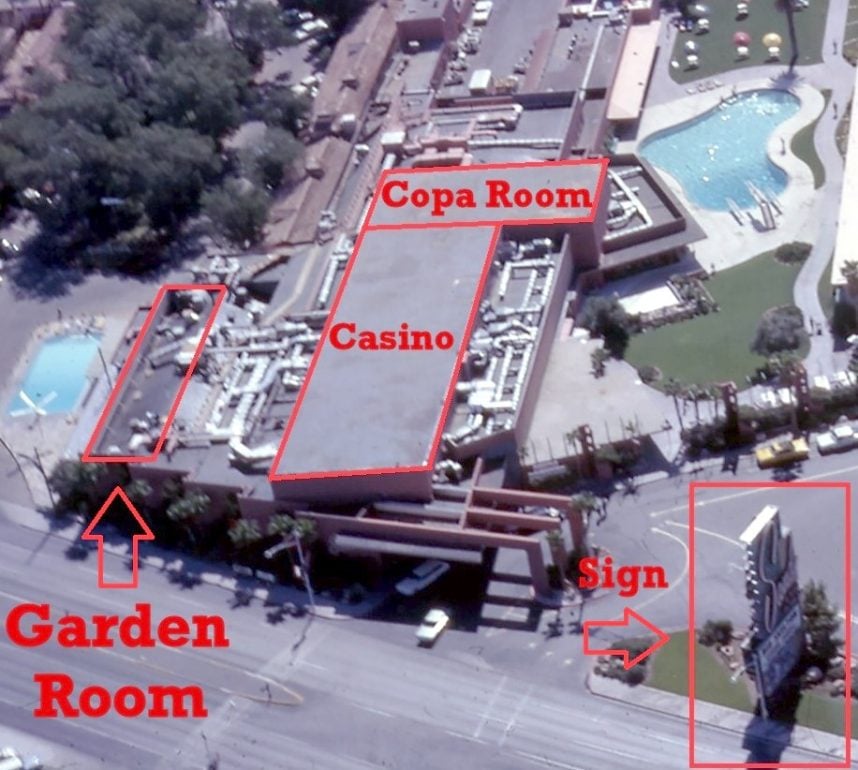
He enlisted L.A. architect Wayne McAllister to integrate the remaining structure of the old Kit Carson Club into his modern casino hotel design, transforming it into a high-end 24-hour dining venue.
When the Sands officially opened on December 15, 1952, few noticed that its Garden Room was once the Kit Carson Club and Club La Rue.
A Landmark Moment at the Sands
Members of the Rat Pack frequently dined at the Garden Room post-performance at the Copa Room nearby. One notable evening on July 23, 1956, after a show featuring Nat King Cole, Sinatra made a significant request.
According to Mr. S: My Life with Frank Sinatra—the acclaimed 2003 memoir penned by Sinatra’s longtime valet George Jacobs—Frank inquired with the restaurant’s manager if his companion, Nat King Cole, could join him. Sinatra expressed confusion over why a headliner at the Sands had to dine alone in his dressing room.
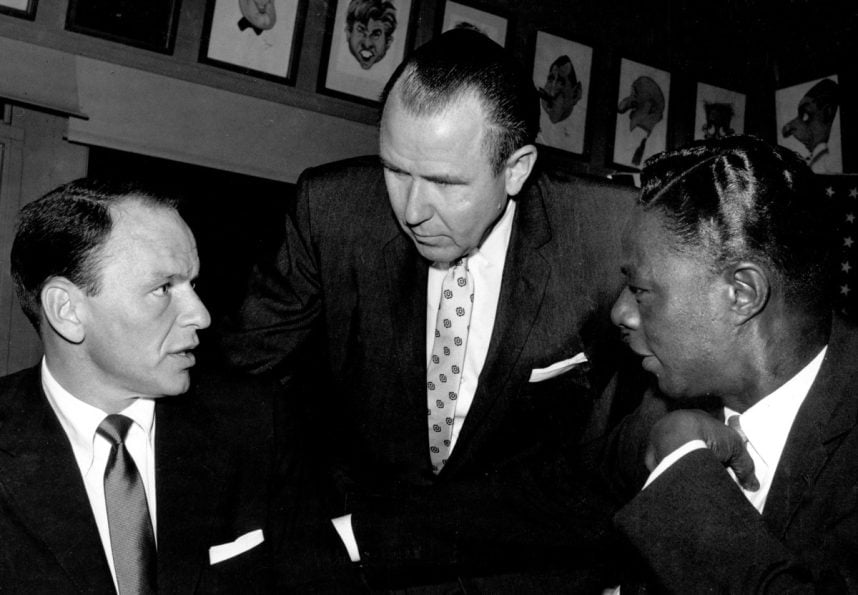
When he learned it violated hotel policy—something Sinatra already understood—he threatened to cancel all future performances at the Sands unless his request was honored.
Management relented, allowing Cole into the Garden Room, effectively breaking the venue’s racial barrier. However, the moment didn’t lead to long-lasting change. After Sinatra’s departure, racial segregation resumed across the Strip until the Moulin Rouge Agreement abolished segregation in Las Vegas casinos four years afterward.
The original structure of the Kit Carson Club remained until extensive renovations in 1963 necessitated its demolition to allow for the Sands’ iconic 15-story cylindrical tower.
“Lost Vegas” is an ongoing series from Casino.org that highlights the overlooked history of Las Vegas. Discover more insights in our other entries. If you believe you know an intriguing Vegas story faded from memory, reach out to [email protected].