


Publication Date: April 20, 2026, 02:08h.
Updated On: April 20, 2026, 02:34h.

- Ninth Circuit considers if prediction markets qualify as finance or gambling
- Nevada claims that contracts for sports events breach state gambling regulations
- Judges probe whether federal laws already prohibit gaming contracts
Are prediction markets merely a financial instrument, or do they fall into the realm of gambling? This is the dilemma a three-judge panel from the Ninth Circuit Court tackled on Thursday, as they reviewed a case involving the state of Nevada and the federally regulated prediction-market sector.
This ruling will not resolve the issue definitively. With inconsistent rulings across various states, it’s likely that the ultimate decision will rest with the US Supreme Court.
Instead, the panel must decide whether to permit Kalshi, Robinhood, and Crypto.com a preliminary injunction, shielding them from Nevada’s state gambling regulations concerning their contracts related to sporting events.
Since the contracts offered by prediction platforms are classified as “swaps” or financial derivatives, they fall under the authority of the Commodity Futures Trading Commission (CFTC).
Who has the Authority?
Nevada contends that contracts linked to sports events should be classified as sports betting, a category governed by state law requiring a license; otherwise, such actions are deemed illegal.
The platforms’ attorneys argue that state gambling laws are superseded by the federal Commodity Exchange Act (CEA), which bestows regulatory power over event contracts traded on recognized exchanges to the CFTC.
A significant portion of Thursday’s session revolved around Rule 40.11 of the Code of Federal Regulations, which prohibits specific types of event-based contracts that encompass “gaming.”
This rule states that a registered entity may not list or clear any contract that “involves, relates to, or references” activities like terrorism or gaming if it’s determined to be against the public interest.
Consequently, attorneys for Nevada argue that the CFTC’s own regulations seem to bolster the state’s claim that sports-related contracts are banned.
Nevertheless, the platforms’ lawyers counter that the terminology “contrary to the public interest” allows the CFTC the leeway to decide if particular event contracts should be prohibited, rather than mandating a blanket ban.
Judges Express Doubt
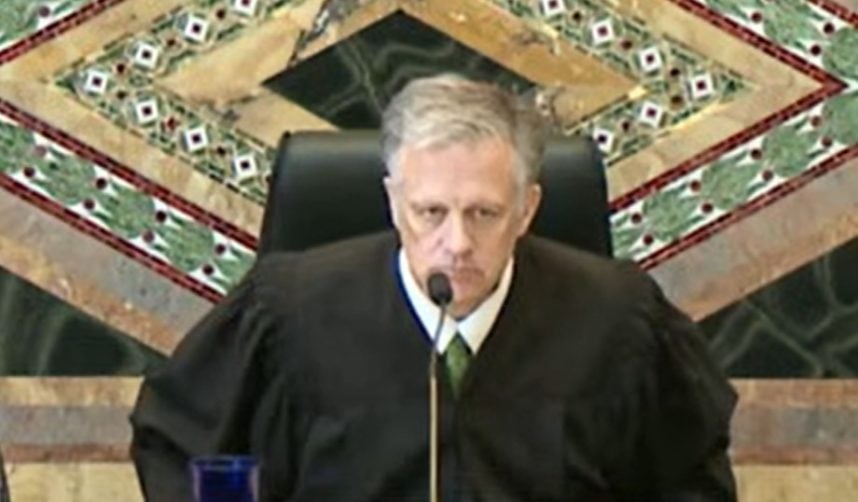
Judge Ryan D. Nelson remained unconvinced.
“40.11 states that any regulated entity ‘shall not list for trading’ gaming contracts,” he indicated. “It outright prohibits it unless prior authorization is obtained,” according to reports by InGame.
No one has articulated a coherent rationale as to why that should not be the case. It clearly states that self-certification and posting is not allowed,” he remarked.
Jordan Minot, a representative for the CFTC, clarified that the regulator has not classified a sports contract as “involving gaming.”
“We interpret ‘gaming’ in the context of casino-related activities,” Minot clarified.
Judge Nelson did not appear swayed.
“What do you mean by ‘casino gaming’?” he pressed. “You visit a casino to place sports wagers.”
A decision from the panel is anticipated in the forthcoming days.