


Published on: April 28, 2026, 06:06h.
Updated on: April 28, 2026, 06:15h.

- Grand jury clears The Lodge Card Club owners of charges
- Doug Polk announces plans for club reopening after asset recovery
- Case underlines the legal uncertainties surrounding Texas poker clubs
Texas’s premier cardroom, The Lodge Card Club, is set for a revival. Pro poker player and co-owner Doug Polk revealed on social media that a grand jury in Williamson County has dismissed charges of illegal gambling against him, his associates, and The Lodge.
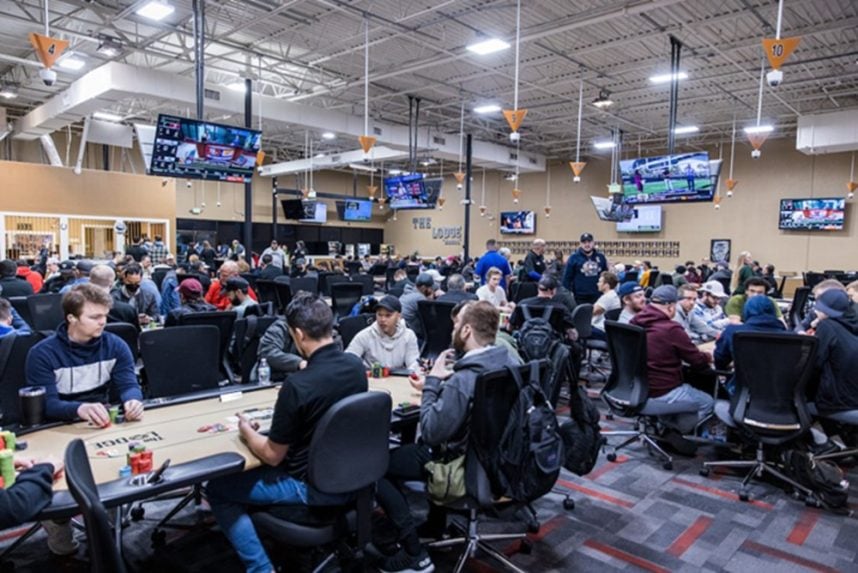
Polk mentioned that the club’s seized funds and equipment will be reinstated, expressing hope for a reopening “in just a few weeks.”
“Justice has been served,” he stated. “The repercussions on our staff and community have been severe, and it’s time to rebuild. We are coordinating a kickoff event soon.”
This turnaround is extraordinary considering the club seemed to have permanently closed just a month ago, after employees received layoff notices via email.
Co-owner Jason Levin informed staff that the location would have to close “indefinitely” because the “Williamson County District Attorney’s Office conveyed to our legal team that they believe The Lodge’s present business model breaches Texas law.”
Club Raided
On March 10, the club faced a raid conducted by agents from the Texas Alcoholic Beverage Commission’s Financial Crimes Unit (TABC). The agency stated that the search-and-seizure warrant was tied to an inquiry into suspected illegal gambling and money laundering activities. Customers inside were instructed to leave with their chips instead of cashing out.
While no criminal charges arose immediately, an April 8 filing in Williamson County’s 480th Judicial District Court permitted the state to retain over $2 million in assets while pursuing a civil forfeiture case.
The filing indicated that prosecutors were likely no longer pursuing money-laundering charges against The Lodge, focusing instead on whether its poker operations contravened Texas gambling laws.
Typically, poker establishments in Texas operate as exclusive membership clubs. They do not extract a rake from players but rather impose membership or seating fees. They argue that this structure fits within the defenses outlined in the Texas Penal Code for private gambling, which requires play to occur in a private setting, ensures that no one benefits economically aside from personal winnings, and guarantees equal risk for all players based on skill or chance.
Claims of a ‘Witch Hunt’
TABC’s search and seizure warrant suggested that the club’s owners profited by “imposing membership and seating fees for gambling” and by “selling food, beverages, alcoholic drinks, merchandise, streaming poker play, and hosting poker tournaments.”
This model is not dissimilar from those employed by clubs across Texas that have not currently faced scrutiny from authorities – at least, not as of now.
Polk has consistently asserted that neither he nor the club has committed any wrongdoing. After the raid, he called the investigation a “witch hunt.” He also reassured players present during the incident that their funds remained secure.
The legitimacy of the private poker-club model in Texas may be ultimately determined by the Texas Supreme Court.