


Published on: April 30, 2026, 12:40h.
Updated on: April 30, 2026, 12:40h.

- The private owner of Circus Circus’ food court initiated Chapter 11 bankruptcy proceedings on April 16, amid notable revenue challenges.
- The food court resumed operations just one day after a temporary closure due to a rental payment dispute.
- This bankruptcy filing highlights the growing financial strain on budget-friendly establishments along the Strip.
Feel Good Brands, which manages three low-cost food courts on the Las Vegas Strip, filed for Chapter 11 bankruptcy protection for its Circus Circus location on April 16. This action by FGB Big Top LLC — initially reported by Vital Vegas — follows a notable decline in both foot traffic and revenue at the family-oriented budget venue.
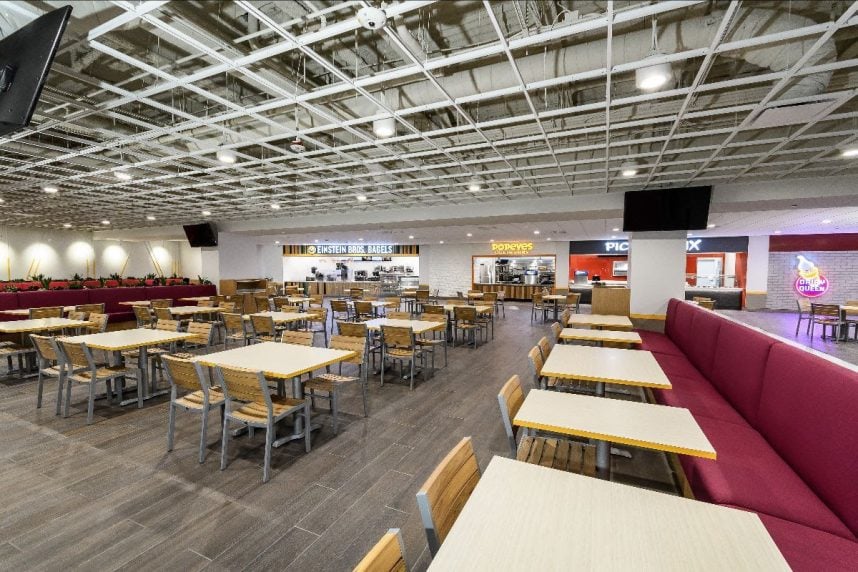
According to court filings, the company lists assets between $1 million and $10 million, with liabilities also in that range, and has one to 49 creditors. Earlier this month, the Circus Circus food court—which features eateries such as Burger King, Popeye’s, Einstein Bros. Bagels, and Pick Up Stix—was closed for a day due to overdue rent. The Chapter 11 filing has provided a brief respite through an “automatic stay,” a legal measure that halts creditor actions and asset seizures while the business restructures.
The food court reopened the following day, yet its future remains uncertain as Circus Circus has indicated a possible intention to take control of the space once the legal protections are lifted, according to Vital Vegas.
Contrary to various reports, the TI Food Court at Treasure Island and Castle Walk Food Court at Excalibur will not be impacted by the bankruptcy, as they operate under separate management structures.
Declining Value Perception
This bankruptcy case underscores the growing difficulties faced by value-oriented businesses on the Strip, as lower-income tourists reduce spending and high-roller markets gain traction.
While the Las Vegas Convention and Visitors Authority reported a 7.5% overall decline in visitors for 2025—the steepest drop not connected to the pandemic since 1970—certain demographics have experienced even sharper declines:
- Visitors aged 21–29 decreased from 17% of the market in 2019 to 13% in 2025—a 23.5% reduction.
- Visitors aged 65 and above fell from 18% to 14% over the same timeframe—a 22.2% fall.
These age groups are particularly vulnerable to rising hotel rates, dining costs, and additional fees.
Buffets Under Pressure
The challenges confronting low-margin dining options extend beyond the Circus Circus food court. Earlier this month, MGM Resorts announced the closure of the longstanding MGM Grand Buffet—featuring a pricing range of $28-$42 per person—effective May 31, 2026. The resort cited unsustainable operational costs and changing patron preferences. This change leaves just seven buffets in operation on the Strip, a significant decrease from around 35 in the year 2000.
Together, these trends indicate a clear shift: Las Vegas is becoming increasingly unwelcoming to low-cost providers and the clientele that depends on them.