


Published on: May 7, 2026, 07:46h.
Updated on: May 7, 2026, 07:48h.

- Las Vegas casinos once utilized shills to create a fake sense of gambling excitement
- Shills bet with house money under regulated conditions to keep the games lively
- Advancements in player tracking and a surge in tourism eventually made shills obsolete
Prior to the advent of loyalty programs, digital tracking, and dedicated marketing teams, a unique practice kept casino games bustling in Las Vegas. Known as shills (also called game-starters, plants, or decoys), these paid participants were hired to make still tables seem vibrant and active. Especially during the quieter early morning hours, casinos prioritized having players at tables, and shills provided that necessary semblance of action.
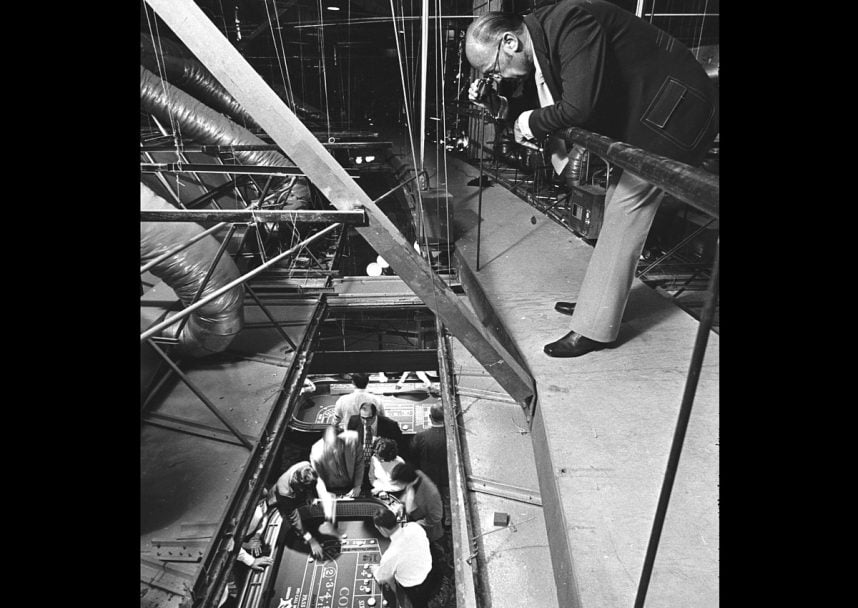
Although the word “shill” carries a negative connotation in today’s context, it was a legitimate profession in Nevada dating back to the 1940s. Shills were treated like any other casino worker—logging in, completing their shifts, and enjoying meals in the staff cafeteria.
Unlike typical gamblers, shills had no stakes in the game. They played with “dead money”—chips that belonged to the casino, which were returned to the cage at the end of the day.
The Shill Protocol
The role was predominantly monotonous yet framed as leisure. At blackjack tables, shills adhered to strict guidelines. They could not double down impulsively or split pairs. In a craps game, their bets were limited to the pass line, ensuring a consistent pace without complicating the dealer’s math.
In slot machine areas, the role was more theatrical, typically filled by attractive women. Supervisors would “clear” a slot machine of its actual coin contents, providing the shills with house chips. They were compensated to celebrate minor wins, clink coins into trays, and attract tourists’ attention to machines that appeared “hot.” (A digital parallel of this approach exists today in the “attract mode” present in current slot machines, consisting of flashy lights and sounds intended to draw players, though regulations strictly forbid these machines from mimicking real jackpot sounds while idle.)
Due to the handling of house funds, security protocols were stringent. Female shills, particularly prevalent by the 1960s in venues like the Desert Inn and Pioneer, were prohibited from carrying purses or wearing pockets. Every action—be it scratching an itch or adjusting their seating—required a “clear hands” signal to the pit boss to demonstrate that no chips were being concealed.
Compensation was modest. Former shills report earnings aligning with minimum wage plus tips. These tips often came from patrons who viewed shills as amiable companions, keeping the atmosphere lively and engaging throughout their shifts.
Decline of the Shill
Shills once thrived in every corner of Las Vegas, from the high-stakes baccarat tables at Bally’s to the now-defunct Boardwalk and Nob Hill on the Strip. However, by the early 1990s, the role of “human decoy” was seen as a corporate inefficiency.
The emergence of player tracking systems enabled casinos to ascertain exactly who was at each table and why, replacing the instinctual judgment of a pit boss with hard data.
At the same time, the mega-resort era ushered in a wave of tourists that made vacant tables uncommon. The freewheeling management style linked to the mob era gave way to corporate governance that perceived the risk of shill-dealer collusion as a liability not worth entertaining.
Proposition Players: The New Shills
While shills have largely disappeared, a related role called proposition players (or props) persists in certain Nevada poker rooms—particularly those that sport a sign stating, “Nevada gaming regulations permit the use of shills and proposition players,” highlighting that they “must be identifiable by management upon request.”

Unlike shills, props utilize their own funds and retain their winnings, receiving an hourly wage simply for keeping a table occupied. They usually engage in straightforward poker and are expected to leave once genuine players join the game.
Jennifer Harman, now a Poker Hall of Famer, honed her skills as a prop in Los Angeles cardrooms during the 1980s. The steady hourly pay provided crucial financial support as she mastered high-stakes limit games that ultimately led her to millionaire status at the Bellagio.
Today, props are increasingly rare in Las Vegas, especially given the dwindling number of poker rooms!
Ultimately, the traditions of shills and props serve as ghostly echoes of a different Las Vegas. They remind us of an era when the house didn’t just claim victories but also crafted experiences, ensuring every visitor encountered the excitement they sought, with continuous table action.
“Lost Vegas” is an occasional Casino.org series exploring the forgotten tales of Las Vegas. Click here to discover more entries in the series. If you have a captivating Vegas story lost to time, reach out to [email protected].