


Published on: May 19, 2026, at 07:14h.
Updated on: May 19, 2026, at 07:18h.

- Clark County commissioners have unanimously approved a decade-long extension for the Formula 1 Las Vegas Grand Prix, ensuring the race will occur until 2037.
- While the government highlights significant economic advantages — with total projected revenue exceeding $2 billion — criticisms persist from local businesses and casino staff about the disruptive construction phases.
- In light of ongoing community concerns over road closings and lost income, county officials have insisted that race organizers streamline future construction schedules and enhance traffic management strategies.
On Tuesday, Clark County commissioners unanimously voted to extend the Las Vegas Grand Prix through 2037, adding ten years to the existing contract with Formula 1, which originally introduced the modern Grand Prix to the Strip in 2023 during the typically quieter week before Thanksgiving.
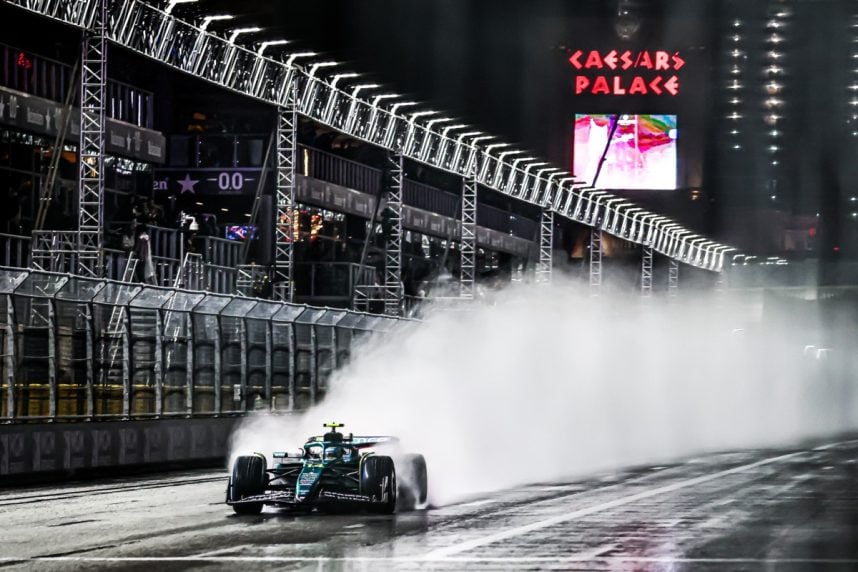
Officials positioned the contract extension as a strategic long-term commitment to a globally recognized sporting event, asserting that it has significantly bolstered Las Vegas’ visibility and economic standing. Organizers consistently tout the financial advantages, reporting approximately $1.5 billion in economic benefits from the inaugural race in 2023 and $934 million from the 2024 iteration.
These figures represent not only visitor expenditures and employment related to the race but also the tax income generated throughout the event week.
Room for Enhanced Coordination
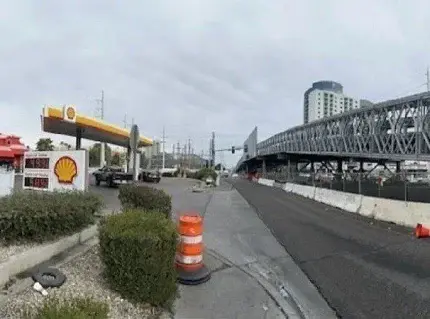
However, the economic implications are more nuanced for many residents and small business owners. Extended construction periods needed to transform the Strip into a 3.8-mile circuit and subsequently restore the area have continually disrupted access to hotels, eateries, storefronts, and residential districts. Numerous businesses initiated lawsuits against both the county and race organizers due to lost revenue, with most resulting in confidential settlements.
Local residents working in or around the Strip have also expressed their discontent. Road closures, lane reductions, and detours have significantly increased commute times during the extensive three-month construction phase. In contrast to impacted businesses, residents do not receive any form of compensation for the inconveniences, a recurrent issue highlighted at county meetings.
Before Tuesday’s decision, Commissioner Michael Naft recognized the community’s challenges, asserting that the county needs to pressure organizers to accelerate construction timelines. “The Grand Prix must shorten the construction schedule,” he stated, emphasizing the necessity for F1 to adhere to stricter timing and coordination guidelines in the coming years.
County personnel indicated that improvements were evident during the 2024 race, with certain construction phases finished earlier and a reduction in the duration of some closures. Nonetheless, the commissioners reiterated that long-term consent does not equate to unfettered support.
“The Grand Prix must expedite the timeline,” Commissioner Michael Naft reasserted, insisting that the county will continue to negotiate annual traffic strategies, project schedules, and measures to mitigate community impact.