


Published on: June 1, 2026, 04:17h.
Updated on: June 1, 2026, 04:17h.

- A self-excluded individual in Pennsylvania claims a slot machine jackpot
- The winnings were forfeited due to the gambler’s self-excluded status
- Profits from self-excluded winnings go to responsible gambling initiatives
Pennsylvania boasts one of the largest self-exclusion programs across the United States. However, this protective measure can fail to keep banned individuals away from gambling establishments.
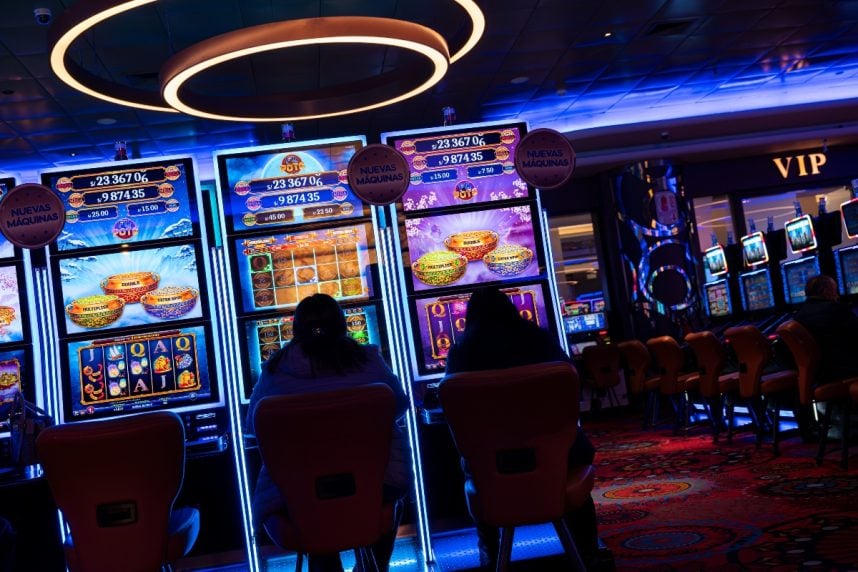
Overseen by the Pennsylvania Gaming Control Board, the state permits individuals to voluntarily exclude themselves from all casinos, online gambling, video gaming terminals, and fantasy sports activities.
Although these programs are regarded as essential tools for combating gambling addiction, they are not infallible, as highlighted by an incident near Harrisburg this week.
On Sunday, state police were summoned to Hollywood Casino at Penn National Race Course to escort an individual off the property. Casino staff reported that a New Jersey woman had won a slot jackpot, but upon checking her information while issuing a W-2G tax form, it was revealed that she had self-excluded herself in 2019.
The unnamed woman opted to give up her on-site gaming rights at all Pennsylvania casinos. The state indicated her exclusion is lifelong.
What Happens to Winnings of Excluded Individuals?
Individuals excluded from Pennsylvania casinos, whether voluntarily or mandated by the state, are forbidden from gambling at these venues. They are also ineligible to collect any winnings.
Casino security personnel are required to verify the identities of individuals attempting to enter casinos by scanning their driver’s licenses or alternate forms of ID. This scan instantly alerts the security staff if the individual is under a gaming ban.
Anyone familiar with Pennsylvania casinos knows that security protocols aren’t always adhered to. In many cases, patrons who appear to be of legal age are simply allowed to enter without their IDs being checked against the self-exclusion lists.
Winnings accrued by excluded individuals are redirected to the PGCB, which allocates these funds to support its Compulsive and Problem Gambling programs. In addition to self-exclusion, the PGCB provides resources for gambling addiction through its ResponsiblePlay.pa.gov website.
Details regarding the amount of the New Jersey woman’s jackpot remain unspecified, but a handpay is typically initiated when the prize exceeds $2,000 for tax purposes.
Self-Exclusion Statistics
According to the PGCB, there are currently 23,216 individuals who have voluntarily excluded themselves from casinos, with men making up 15,027 of these enrollments. The majority of participants are aged 55 and older.
Casino security frequently identifies self-excluded individuals attempting entry into casinos. Since the inception of the self-exclusion program in December 2006, there have been 4,684 recorded violations.
The PGCB also maintains a self-exclusion program for iGaming, with 3,714 participants, alongside 736 individuals who have opted out of slot-like video gaming terminals at truck stops.
In Pennsylvania, once the self-exclusion period concludes for physical casinos, individuals do not automatically regain their privileges. They must formally apply to be removed from the program; otherwise, they remain banned indefinitely.
For iGaming, video gaming terminals, and fantasy sports, self-exclusions automatically end at the conclusion of their initial term, with privileges reinstated automatically.