


Published on: June 15, 2026, 07:40h.
Updated on: June 15, 2026, 07:40h.

- Chicago approved video gaming devices last year
- The City Council is reevaluating the gaming policy
- Mayor Brandon Johnson asserts that video gaming will incur losses for the city
Although there isn’t a single Republican alderperson present in Chicago’s City Council, the discourse surrounding video gaming machines remains contentious.
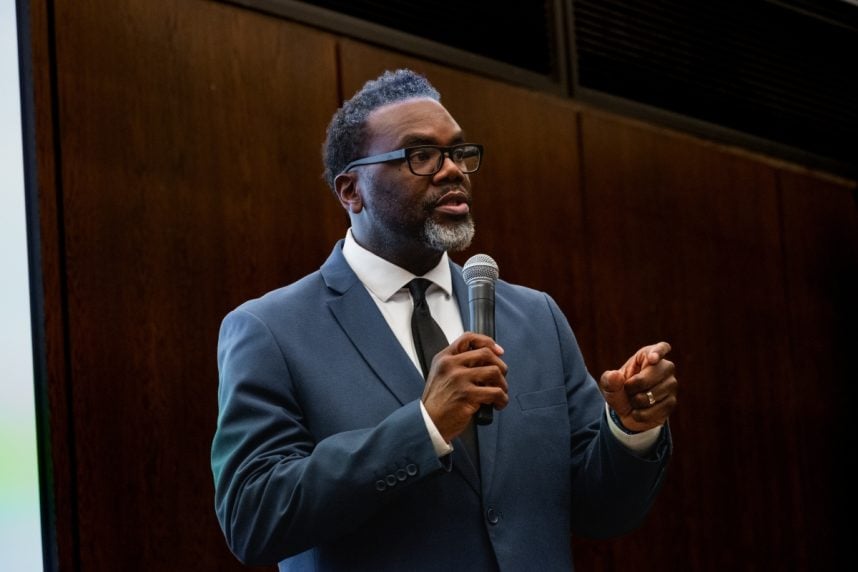
In December, a majority of 30 alderpersons overruled Mayor Brandon Johnson’s (D) opposition to the implementation of video gaming machines in the city.
Johnson and supporters against allowing slots in various establishments argue that these machines could adversely affect the city’s upcoming $1.7 billion Bally’s Chicago project. In contrast, many City Council members believe that these gaming machines could enhance city tax revenues and provide essential support to small businesses during tough economic times.
Recently, the Illinois Gaming Board approved its first set of video gaming applications in Chicago. Six businesses received initial authorization from the state regulator but still require the city’s go-ahead before activating their machines.
Today, the Chicago City Council’s Committee on Workforce Development is set to review a proposed ordinance aimed at rescinding the city’s approval of video gaming machines. This initiative comes at the behest of Johnson, who argues that gambling machines will ultimately harm the city.
Mayor’s Changing Stance
The Video Gaming Act, enacted in Illinois in 2009, permits businesses to host up to six gaming machines, while truck stops can offer as many as ten. Municipalities can choose to opt-out, and until December 2025, Chicago had exercised this option.
Initially, during last year’s City Council discussions, Johnson maintained a neutral position regarding video gaming machines.
“I’m open. I’ll say it like that, as we need to make critical investments to build a safe and affordable city. If people prefer this form of entertainment, it presents an opportunity for us to secure revenue,” said Johnson.
However, after interactions with Bally’s lobbying team, which argued that video gaming conflicts with its developmental agreements, Johnson re-evaluated his position. His opposition solidified after his staff assessed that video gaming would be detrimental to the city’s finances.
An analysis conducted by a consultant hired by the mayor’s office indicated that video gaming could cost the city approximately $3 million each year due to increased burdens on law enforcement resources. Notably, the city’s budget last year had relied on $6.8 million in anticipated revenue from video gaming authorization.
These conflicting fiscal forecasts illustrate a pronounced disagreement between the administration and the City Council regarding video gaming implications.
In addition, while Bally’s gaming revenue would yield a significant return to the city, allowing video gaming would only offer a modest share. The city retains 10.5% to 34.7% of Bally’s slot revenue, depending on earnings, whereas the video gaming share stands at a mere 5%.
No Vote Scheduled
The Committee on Workforce Development of the Chicago City Council will only review Johnson’s request to withdraw the video gaming authorization. There are no plans to vote on the ordinance during this session.