


Published on: June 15, 2026, 08:49h.
Updated on: June 15, 2026, 08:49h.

- Analyst suggests there is “less internal endorsement” for MGM’s acquisition proposal than there was for the Caesars bid
- MGM stock prices are above Diller’s offer, indicating investor anticipation for a revised proposal
- Potential risk exists if the bid is turned down
Two weeks have passed since Barry Diller’s People Inc. (NASDAQ: PPLI) proposed an acquisition of MGM Resorts International at $18 billion, translating to a valuation of $48.30 per share. However, there’s no assurance that the offer will materialize successfully. Current market behavior suggests the need for a revised offer.
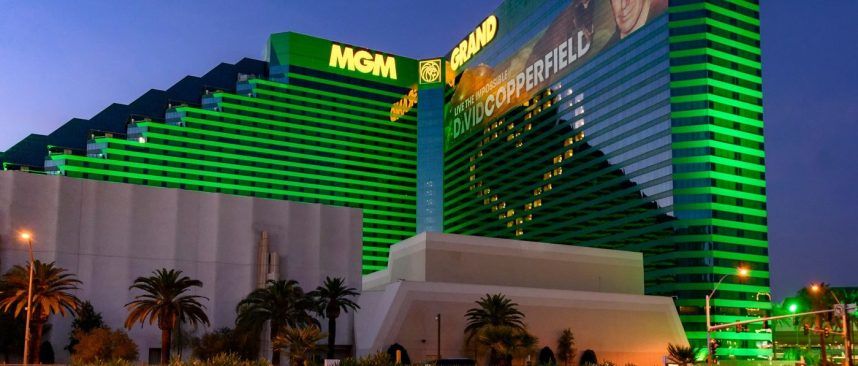
In a recent analysis, Stifel analyst Steven Wieczynski stated that “there appears to be diminished internal backing for this deal” compared to Tilman Fertitta’s $17.6 billion proposal to take Caesars Entertainment (NASDAQ: CZR) private.
“Investors evidently perceive the initial bid as undervaluing the company since shares currently trade above the offer price,” remarked the analyst. “While numerous uncertainties abound, our primary concern centers on the likelihood of receiving higher bids and the disposition of the MGM Board in this regard.”
As of last Friday, MGM shares settled at nearly $49, surpassing Diller’s offer price, with preliminary trading showing the stock could approach $50 today. This could indicate that MGM shareholders believe Diller’s proposal falls short. So far, MGM has acknowledged receipt of the acquisition offer but has remained silent on the offer’s merits. Wieczynski warns of a “significant risk that the current offer may be withdrawn, resulting in a decrease in share value.”
Analyzing MGM vs. Caesars Offers
MGM and Caesars stand as the two leading operators on the Las Vegas Strip, prompting analysts and investors to scrutinize the similarities and variations between their respective acquisition proposals.
At first glance, Diller’s offer for MGM features a higher EBITDAR multiple of 7.7x based on the 2027 estimate, compared to Fertitta’s 7.2x for Caesars. However, there are several factors that may lead stakeholders to deem Diller’s offer as less attractive, such as the fact that the implied 24% price premium for MGM is significantly lower than the 46% premium Fertitta has placed on Caesars.
“Moreover, we believe the superior quality of MGM’s assets, advantageous demographic positioning (including Macau exposure and high-end properties on the Las Vegas Strip), alongside a promising long-term growth trajectory (featuring a Japanese casino and digital opportunities) should merit a greater relative valuation premium than just a half-point shift in the EBITDAR multiple,” Wieczynski elaborates.
Regarding MGM Osaka, analysts estimate that the venue could potentially add $31 to the company’s stock price upon its opening in 2030. Conversely, there are suggestions that if Diller succeeds in acquiring the operator of the Cosmopolitan, he might consider divesting MGM’s interests in MGM China and the planned Japanese casino resort.
MGM’s Challenge in Finding Alternative Buyers
While MGM has not publicly endorsed or dismissed Diller’s offer, management continually emphasizes that the stock is undervalued, substantiated by a consistent share buyback program. Over the last five years, the company has reduced its outstanding shares by nearly 50%.
Wieczynski acknowledges that Diller may need to elevate his bid to secure the acquisition successfully. This suggests MGM’s options are limited to either accepting or rejecting the offer — with a rejection posing the risk of a drastic stock price drop — as another potential buyer may not emerge.
“However, we should note that the structure of Diller’s proposition permits for private equity (PE) engagement without necessitating control of the business, which we believe diminishes the likelihood of a competing PE bid. Additionally, we find it challenging to identify a viable strategic buyer for such a large and diversified entity,” the analyst concludes.