


Published on: June 18, 2026, 12:41h.
Updated on: June 18, 2026, 12:41h.

- The Ho-Chunk Nation is seeking legal intervention to halt Kalshi’s sports forecasting platforms on tribal lands.
- The tribe argues that both Kalshi and its partner, Robinhood, recognize their operations are gaming-related.
The Ho-Chunk Nation of Wisconsin has filed an amended federal lawsuit against Kalshi and Robinhood, aiming to assert that the prediction markets are misleadingly promoting services on its sovereign land.
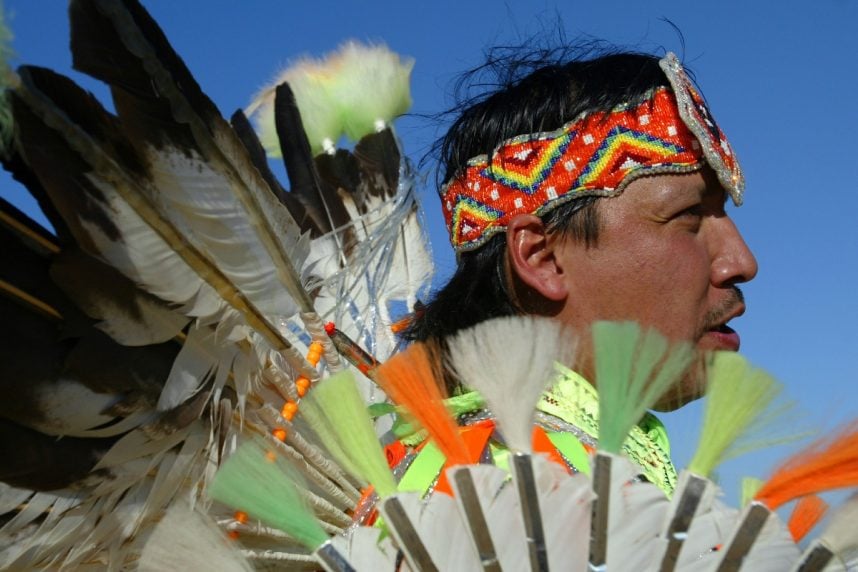
Access to Kalshi and Robinhood’s prediction markets extends into Indian territories, including lands governed by the Ho-Chunk Nation. The tribe holds a Class III gaming compact with Wisconsin, asserting that Kalshi’s claim of being “50 State Legal” is a case of false advertising.
According to the Nation, Kalshi’s assertion that its services are “50 State Legal” is legally actionable as a false claim following the Indian Gaming Regulatory Act (IGRA), which has outlined Class III gaming on the Nation’s Indian Land explicitly for the past 35 years and has been upheld by the Supreme Court,” states their documentation submitted in Wisconsin’s Western District Court.
In simpler terms, the tribe argues that IGRA permits only tribes with agreements to conduct gaming on tribal land. The suit claims that Kalshi’s sports event contracts qualify as Class III gaming under IGRA.
The Ho-Chunk Nation is seeking a federal court directive for Kalshi and Robinhood to stop all operations related to sports event contracts within tribal territories.
Ongoing Legal Proceedings
The initial lawsuit against Kalshi and Robinhood was filed by the Ho-Chunk Nation in August 2025. In the prior month, a federal judge determined that the tribe’s case was valid and allowed it to proceed, although it dismissed claims asserting violations of the Lanham and Racketeer Influenced and Corrupt Organizations Acts.
The Nation is reestablishing its claim asserting that these federal statutes are applicable. The tribe, which operates six casinos across Wisconsin, asserts that Kalshi continually promotes its sports trading options as gaming products.
IGRA defines Class III gaming tribes as the exclusive entities authorized to engage in gaming activities on sovereign Indian lands, which includes “any house banking game,” “any slot machine,” and “any sports betting.”
“The Nation relies on IGRA to contend that Kalshi’s claims of being ‘50 States Legal’ are false or, at the very least, misleading,” the legal document states. “Kalshi capitalizes on terms like ‘Sports Betting’ or ‘Sports Gaming’ because consumers would likely be less inclined to use the platform had Kalshi accurately depicted its offerings as ‘a designated contract market that provides event contracts under the Commodity Exchange Act,’” the complaint argues.
Support from Other Tribes
A coalition of seven tribes and organizations has voiced their backing for the Ho-Chunk Nation’s revised lawsuit against Kalshi and Robinhood.
The Indian Gaming Association, National Congress of American Indians, Washington Indian Gaming Association, California Nations Indian Gaming Association, Arizona Indian Gaming Association, Oklahoma Indian Gaming Association, and Native American Finance Officers Association are among those who have endorsed the complaint. Additionally, sixteen federally recognized tribes have joined the cause.
The necessary outcome of a ruling in favor of the Defendants would imply that no tribe in the U.S. can enforce either its own regulations or IGRA’s regulations against those involved in illegal gaming activities on tribal lands,” the supporting organizations noted.
In response, Kalshi and Robinhood argue that their prediction markets are under federal regulation and thus exempt from tribal gaming laws.