


Published on: June 19, 2026, 01:10h.
Updated on: June 19, 2026, 01:13h.

The estate of Tony Hsieh has sold the former Gold Spike Hotel & Casino for less than half of the purchase price that the late CEO of Zappos paid back in 2013. On June 10, 2026, the property located at 217 Las Vegas Blvd. North, which includes the former Oasis at Gold Spike Hotel and an adjacent parking lot, was sold to investors Huan “Jeff” Mai and Qing Zhong for $11.38 million.
This sale marks a staggering 58% reduction from the nearly $27 million Hsieh’s Downtown Project reportedly paid in 2013.
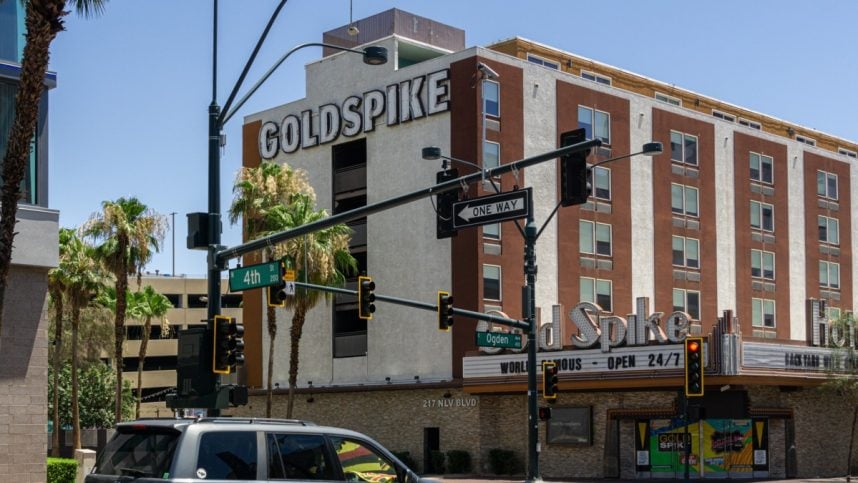
As reported by the Las Vegas Review-Journal, the new owners are a local couple specializing in real estate, who also own shopping centers around Las Vegas and recently acquired the former Macy’s building in the Chinatown area.
Since Hsieh’s tragic passing in a Connecticut house fire in November 2020, his estate has been systematically selling his nearly 100-property real estate portfolio. The Gold Spike is among several iconic properties sold at significant markdowns.
Upon Hsieh’s acquisition, the Gold Spike ceased to function as both a casino and hotel. Hsieh closed the casino permanently and transformed the ground floor into a 20,000-square-foot, 24/7 nightlife venue, featuring social games and an outdoor area dubbed the Backyard.
The primary hotel building was repurposed into workforce housing for staff associated with Downtown Project, although the Oasis at Gold Spike continued to operate as a boutique hotel.
Despite the changes, the property’s non-restricted gaming license remains active. Adhering to Nevada regulations, it was momentarily activated for two days in 2024 to preserve its status.
Historic Beginnings
The Gold Spike first opened its doors in 1976 as the Rendezvous, a seven-story, 112-room hotel established by the 76 Corporation. At its inception, downtown Las Vegas was marked by economic decline, characterized by many budget-friendly casino-hotels catering to local patrons and budget travelers.
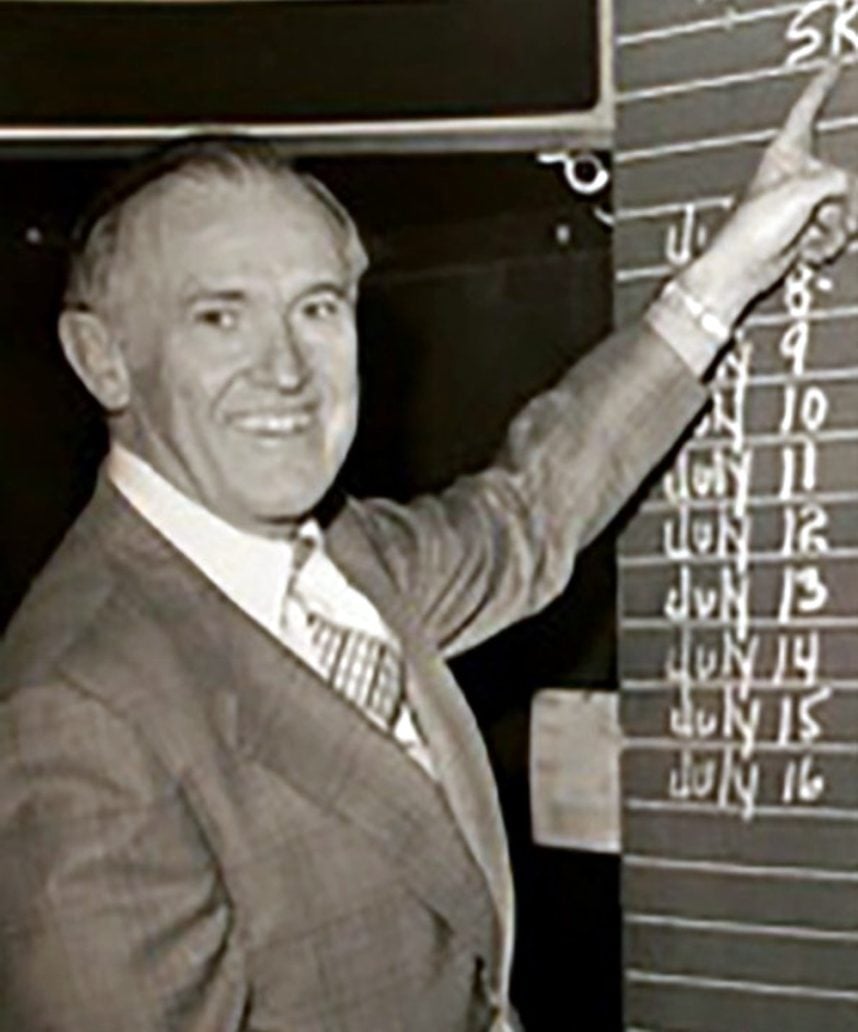
After being closed for several months, the property was acquired in 1983 by the iconic downtown casino operator Jackie Gaughan, who rebranded it as the Gold Spike Hotel & Casino, officially embracing the new name by 1985.
For almost 20 years, the Gold Spike represented the quintessential old-school Vegas experience, offering affordable accommodations with basic amenities, a modest-sized casino primarily featuring slot machines (with table games later discontinued), and inexpensive drinks, catering to budget-conscious gamblers.
By late 2002, Gaughan, who was semi-retired and increasingly focused on the El Cortez, chose to sell the Gold Spike along with other properties to Barrick Gaming and the Tamares Group in a coalition deal finalized in 2004 for $82 million.
After Barrick distanced itself from its Las Vegas operations, Tamares enlisted Golden Gaming to manage the Gold Spike’s casino activities.
In July 2007, Barrick sold the Gold Spike for $15.6 million to local developer Greg Covin, who intended to convert it into a boutique hotel. Instead, Covin flipped the property in February 2008, earning a $5 million profit when he sold it to the Siegel Group, known for refreshing and repositioning older properties like the Artisan. Siegel initiated a two-year renovation costing approximately $4.5-$5 million.
The most substantial transformation occurred in early 2013 when Hsieh’s Downtown Project — a $350 million venture aimed at revitalizing the area through real estate, startups, and community initiatives — acquired the Gold Spike from the Siegel Group. The casino shuttered its doors on April 14, 2013, for a three-week overhaul and never resumed operations.
Hsieh envisioned transforming downtown into a vibrant, creative community that attracted young professionals and entrepreneurs, fostering a more modern crowd compared to traditional downtown casino-goers.
In a 2013 interview with the Las Vegas Sun, Hsieh remarked when asked about his reasons for buying a casino only to shut it down: “Individuals aiming to foster community are the ones who do such things.”