


According to a New York Times article, prediction markets may jeopardize the advancement of critical pharmaceuticals by enabling bets on clinical trial outcomes.
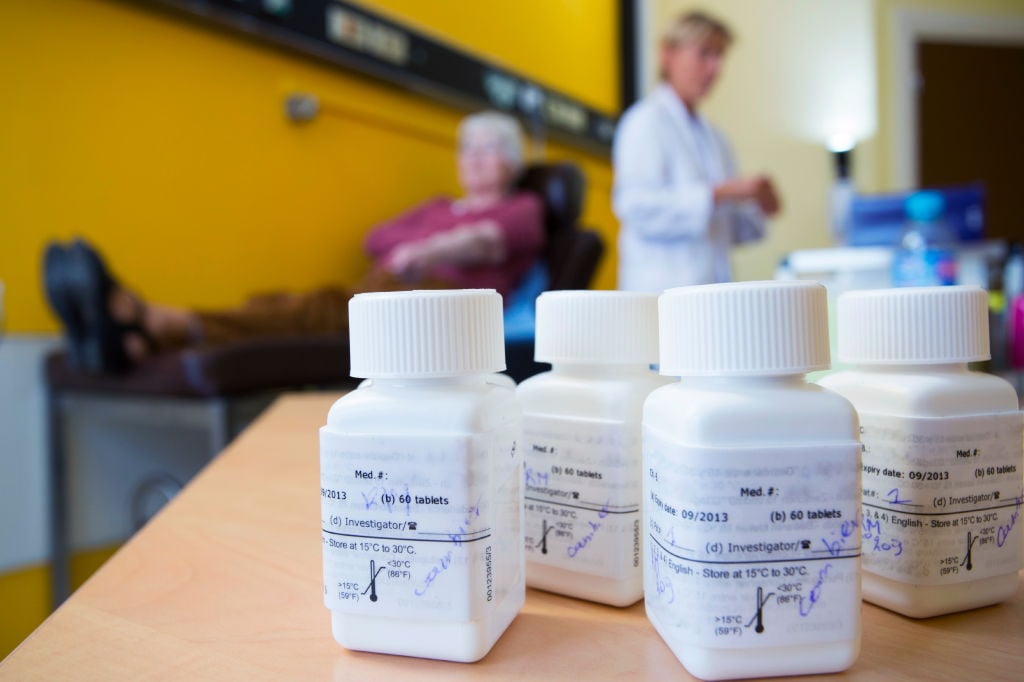
Healthcare experts caution that these betting contracts could result in compromised clinical trial integrity, insider trading, and diminished public trust.
Currently, prediction markets are assessing the likelihood of the FDA’s approval of drugs targeting lung, breast, pancreatic, and blood cancers.
Robert Califf, a former FDA Commissioner, expressed to The Times that establishing a betting market around an ongoing randomized clinical trial constitutes “a breach of scientific ethics.”
Participant Conduct
There are significant worries that these markets can influence participant behavior during trials. For example, an individual with a financial interest in the failure of a trial might, whether consciously or unconsciously, misreport their condition or choose to withdraw, aiming to sway the trial outcome.
A participant might perceive a low success probability assigned by traders and decide that continuing in the study is pointless, leading to dropout.
Furthermore, the researchers managing the trial could be unintentionally influenced by market signals indicating failure.
Critics also highlight that the diverse range of individuals involved in trials—including investigators, statisticians, data monitoring committees, contractors, pharmaceutical staff, and FDA personnel—creates opportunities for insider trading.
Moral Risks
A petition on Change.org initiated by biotechnology expert David Tsai is advocating for a ban on prediction markets related to clinical trials, emphasizing the necessity for participant retention to ensure credible data collection.
The petition contends that linking studies to speculative trading could jeopardize the essential trust between biotech firms and the patient communities essential for participant recruitment.
Treating clinical development milestones as simple betting events introduces severe moral hazards that threaten the validity of clinical data,” the petition states.
“When the outcomes of clinical trials are simplified to gambling odds, the risk of data manipulation or misrepresentation escalates. This could foster unwarranted confidence in unvalidated therapies or unjustified skepticism against genuine innovations, ultimately harming patients who rely on accurate information.”
The Times also interviewed cancer patients and clinical trial participants who voiced concerns that their crucial medical outcomes were being transformed into grounds for financial speculation.
Some participants pointed out that in late-stage cancer trials, the success or failure up for speculation often hinges on patient survival duration.