


Elderly residents in Florida are voicing their opposition to a statewide initiative aimed at cracking down on neighborhood arcades, asserting that these venues serve as harmless social hubs while authorities claim they promote illegal gambling.
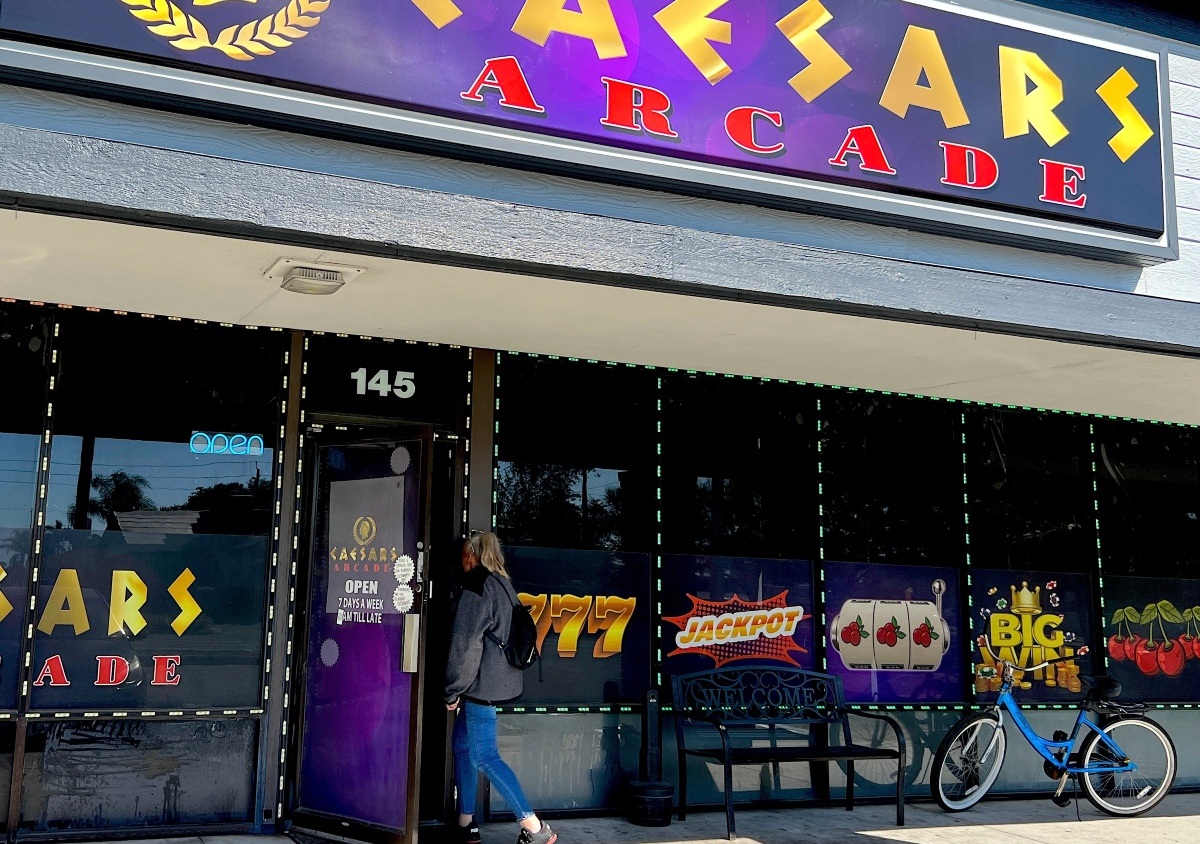
In collaboration with local authorities, Florida Attorney General James Uthmeier and the Florida Gaming Control Commission (FGCC) are actively pursuing a crackdown on illicit gambling. These unauthorized operations often function openly, presenting themselves as arcades.
According to Uthmeier and the FGCC, these establishments are equipped with unlawful gambling machines that endanger consumers. However, patrons feel otherwise, maintaining that these local venues are simply places for community engagement and social interaction.
“Who wants to sit in front of the TV for eight hours? It’s more like a little social club or community of people,” remarked Florida senior Linda Pregno to WINK News in Fort Myers.
A number of residents from Southwest Florida expressed to the CBS affiliate that these arcades provide a fun environment for socializing while spending a little money on games.
“Why should the state of Florida take away from small businesses and marginalize us elderly folks? Most of us aren’t heading to [Seminole Casino] Immokalee. It’s simply not going to happen,” stated Jojo Blaauboer.
Warnings About Arcades
The Division of Gaming Enforcement under Uthmeier and the FGCC continues to obtain warrants and carry out raids on suspected illegal gambling establishments throughout Florida.
In 2025, law enforcement confiscated over $14.4 million and 6,725 illegal slot machines. As of June 2026, Uthmeier reports that an additional 3,114 illegal gaming machines have been removed from operation.
Uthmeier points out that illegal gambling venues offer no consumer protections, such as a minimum payout guarantee. While legitimate slots at Seminole and Hard Rock casinos, as well as parimutuel racinos in Miami-Dade and Broward counties, are programmed for a minimum payout of 85%, many machines at unauthorized arcades have been discovered programmed to payout as little as 10%.
Uthmeier argues that these illegal slot arcades also attract criminal activities, including drug-related offenses, and bolster organized crime.
“These illegal casinos fuel larger criminal enterprises that contribute to drug and human trafficking. We are committed to collaborating with law enforcement to dismantle all illicit gaming operations statewide,” asserted Uthmeier.
Safeguarding the State’s Interests
Florida has a financial motive to safeguard the gaming operations of the Seminole Tribe, as tribal gaming contributes billions to the state’s economy each year.
The 2021 agreement between the Seminoles and Governor Ron DeSantis (R) ensures that the tribe will make at least $2.5 billion in revenue-sharing payments to the state within the first five years.
Starting in 2027, the state will receive 12% of the tribe’s slot revenue up to $2 billion, increasing to 17.5% on revenue between $2 billion and $2.5 billion, and 20% on revenue between $2.5 billion and $3 billion. The rates continue to rise to 22.5% above $3 billion and 25% on revenue exceeding $3.5 billion.