


Lake Mead, recognized as the largest reservoir in the United States and responsible for supplying 90% of Las Vegas’ water, has recently reached an alarming record low water level. This situation highlights the escalating crisis facing the Colorado River Basin. According to data from the U.S. Bureau of Reclamation, the water surface fell to 1,040.46 feet above sea level early Friday morning (Aug. 7), between midnight and 1 a.m. PT.
This marks the lowest water level recorded since Lake Mead began filling nearly ninety years ago.
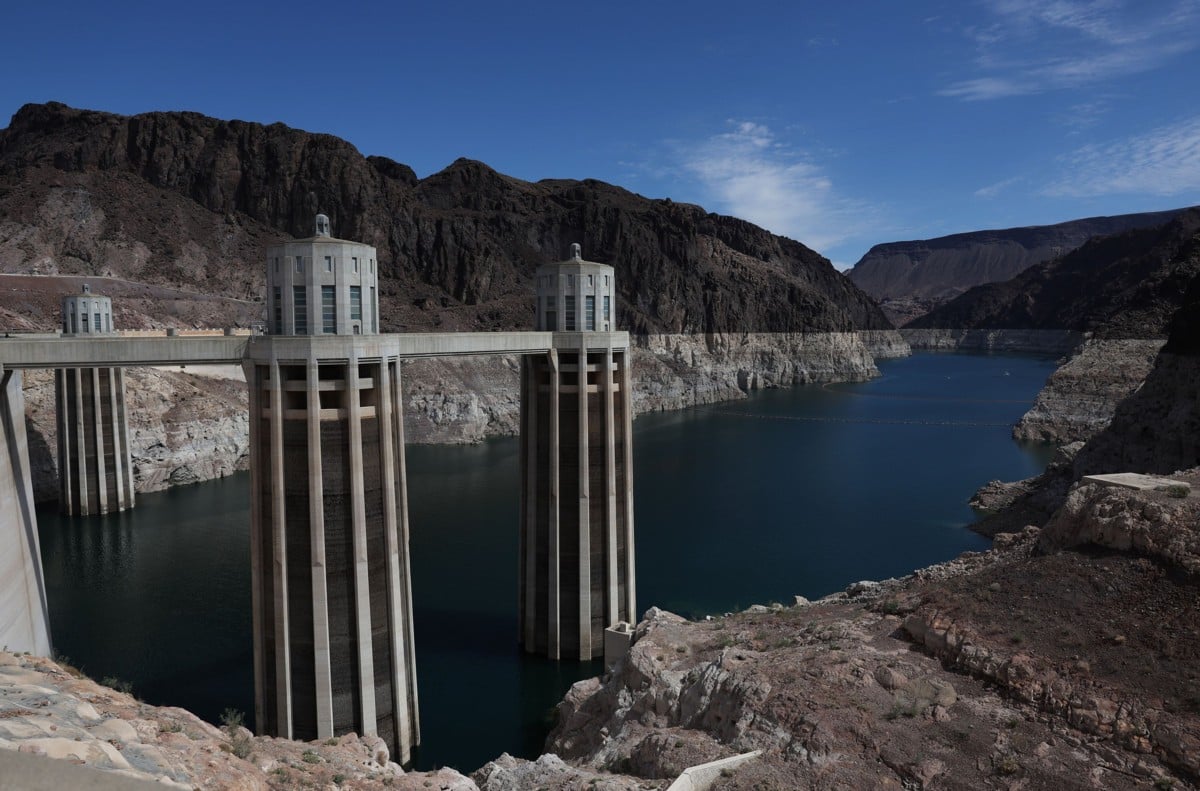
This new low surpasses the previous record set on July 28, 2022, when retreating shorelines unveiled long-submerged boats, remnants of the sunken city of St. Thomas, and even a body in a barrel.
Lake Mead
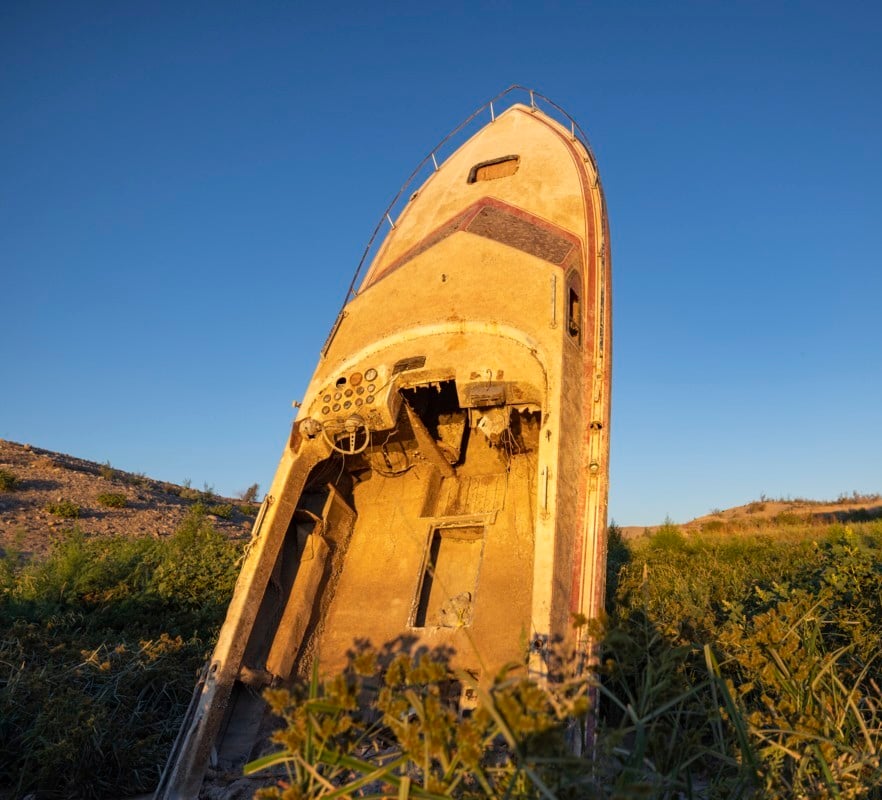
Although the lake’s level rose slightly to 1,040.5 feet before dawn, this new record low has emerged much sooner than federal authorities had previously predicted, intensifying the stress on a region already dealing with reduced water supplies, increasing temperatures, and a river that is struggling to meet current demands.
Lake Mead is currently operating at approximately 27% of its capacity (around 7 million acre-feet), over 180 feet below its maximum level. However, this crisis extends beyond just Lake Mead.
By July 2026, the combined storage in both Lake Mead and the upstream Lake Powell dropped to levels unseen since 1957, at the time of the Glen Canyon Dam’s construction, before Powell began filling. Both reservoirs are dangerously close to critical elevations that jeopardize hydropower generation and dependable water supplies.
Rocky Mountain Low
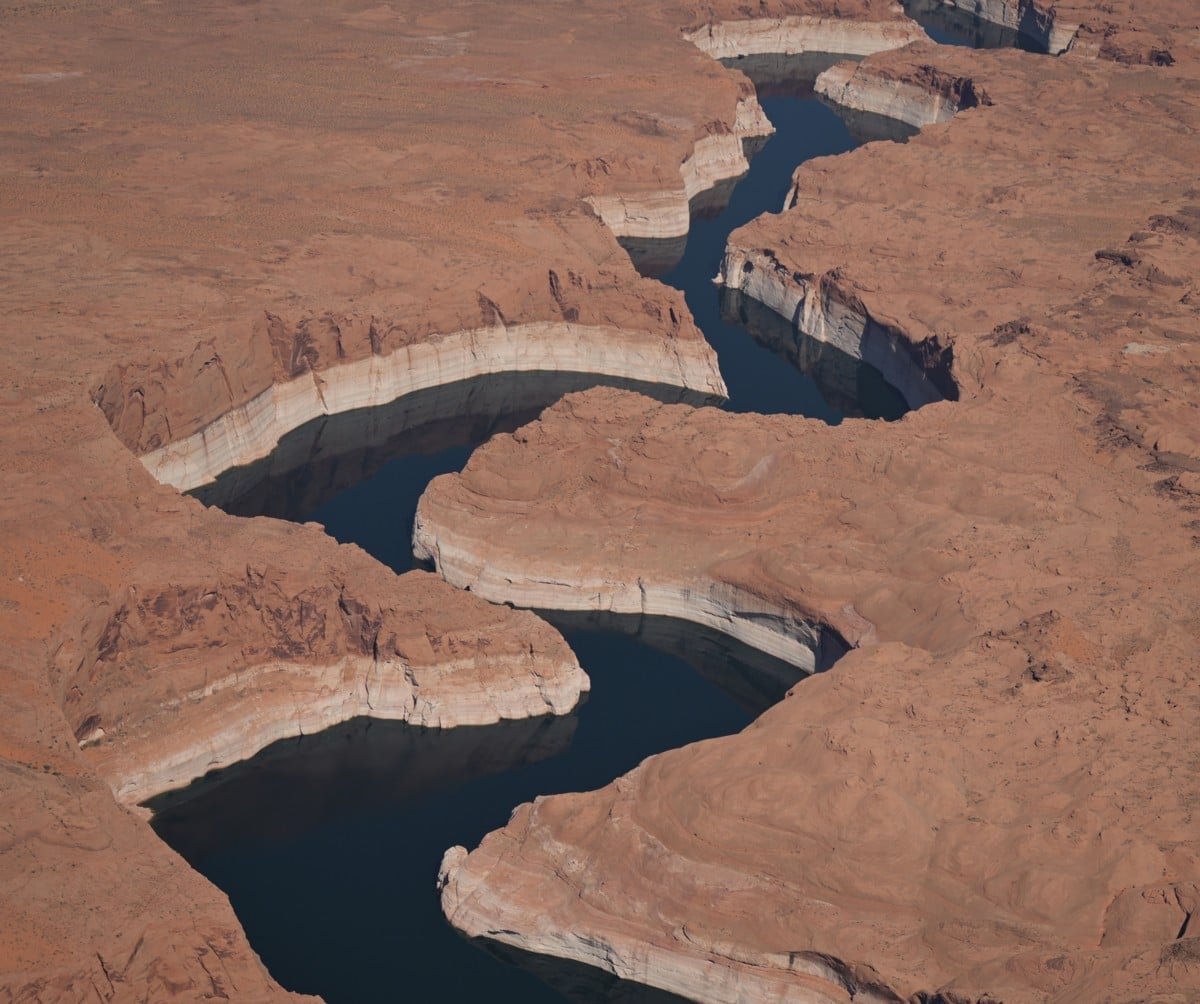
The Colorado River serves as a crucial resource for the Southwest, providing water for nearly 40 million individuals across seven U.S. states and Mexico, irrigating over 5 million acres of agricultural land, generating electricity for countless homes, and supporting essential wildlife habitats.
The river’s headwaters located in the Rocky Mountains rely significantly on winter snowpack, but recent years have seen a trend of increasing temperatures, drought conditions, and historically low runoff. Last winter recorded one of the least productive runoff seasons, offering little relief for reservoirs already facing long-term depletion.
New Plan
The new record low water level comes shortly after the Bureau of Reclamation unveiled a comprehensive 10-year management plan (extending to 2036) for Lakes Powell and Mead. This plan mandates that the Lower Basin states — Arizona, California, and Nevada — cut their Colorado River water usage by approximately 1.5 million acre-feet over the next two years, translating to a collective reduction of around 20% from previous deliveries. Under drier conditions, potential shortages could reach up to 3 million acre-feet annually.
The Upper Basin states (Colorado, Utah, Wyoming, New Mexico) will not face any mandatory reductions, only a voluntary conservation goal of up to 200,000 acre-feet.
Nevada, which receives the smallest allocation from the Lower Basin (300,000 acre-feet annually), is anticipated to initially forfeit around 50,000 acre-feet per year under the forthcoming guidelines, with the possibility of further reductions later on (potentially totaling 28% or more of its allocation under certain modeled scenarios, which could amount to about 210,000 acre-feet during extreme dry years).
Officials from the Southern Nevada Water Authority note that the region has already been efficient in conserving water, utilizing significantly less than its total allocation thanks to proactive recycling, conservation, and turf removal efforts. However, state leaders, including Gov. Joe Lombardo, have deemed the federal framework “unrealistic” and potentially detrimental, arguing that it doesn’t require equitable sacrifice across the entire basin.
More detailed operational guidelines covering the next two years are expected to ratify these reductions through 2028. The new low at Lake Mead emphasizes that such measures may fall short without more extensive initiatives, as federal forecasts suggest continued declines and the possibility of additional record lows in the coming months and years if hydrological conditions do not improve.
Experts regard this situation as a clear indication that the Colorado River can no longer satisfy historical demands under the present climate and usage trends, necessitating sustained, aggressive conservation efforts, as well as potential revisions to interstate agreements.