


A 79-year-old widow from Spain is engaged in a legal battle to claim a €35,000 (approximately US$40,000) lottery win after uncovering that her late husband’s “sexist” actions led to her being placed on a gambling self-exclusion list without her consent more than a decade ago.
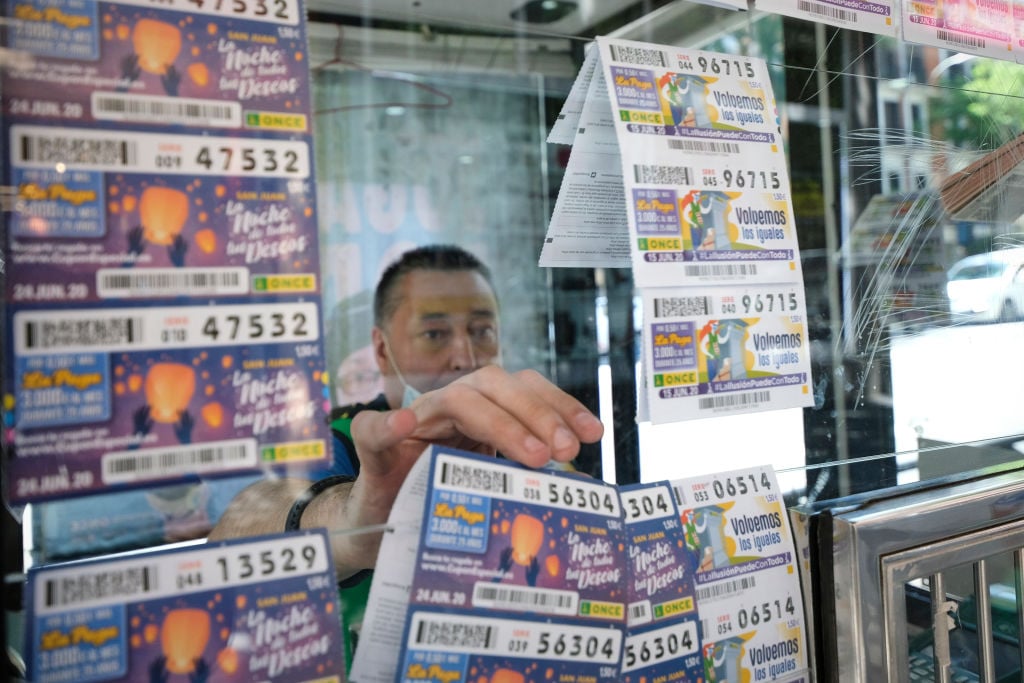
Carmen, hailing from Los Alcázares in the southeastern region of Murcia, discovered her win in Spain’s ONCE Lottery in August 2025 and envisioned using the funds for a long-awaited journey to Portugal, as reported by El País.
However, her bank informed her that the payout was impossible due to her name being listed in Spain’s General Registry of Prohibited Access to Gambling—a nationwide database for self-excluded individuals from gambling activities.
‘Abusive Spouse’
The family charges that Carmen’s late husband unlawfully registered her by forging her signature and identity.
“My father was an abusive husband. He held a sexist attitude and didn’t approve of my mother visiting the bingo hall with friends, as it left him alone at home,” remarked Carmen’s daughter, who goes by the pseudonym María, in conversation with El País. “They had a major argument related to it.”
According to the report, María suspects her father submitted a fraudulent letter to Spain’s Directorate General for Gambling Regulation, falsely stating that Carmen wished to self-exclude due to significant financial losses.
The document, which was accessed by El País, purportedly permitted her husband to submit the request on her behalf, claiming that she was temporarily incapacitated and unable to visit the agency.
María refutes every claim within the application, asserting that her mother never had issues with gambling and that the signature appeared drastically different from Carmen’s actual signature.
Furthermore, the family points out glaring inaccuracies, including the misrepresentation of Carmen’s place of birth and the misspelling of her last name.
Legal Proceedings
Currently, the family is taking the matter to court, striving to reverse the decision blocking payment of the winnings and to remove Carmen’s name from the self-exclusion registry, citing fraudulent registration.
The lottery organization emphasized its inability to release funds to individuals listed on the self-exclusion register.
A representative told El País that they would “be more than happy” to disburse Carmen’s €35,000 prize if her registration were invalidated by the judicial system, but stressed that current regulations prohibit payments as long as the exclusion applies.
María remarked to El País that her mother, who has Parkinson’s disease, is perplexed about why she cannot access a prize she rightfully earned, leading her to feel as though those around her are not being truthful.
“What I desire the most is for her to find peace and to enjoy all of the prize money on travel,” expressed María.