


With the support of a $300,000 grant from Arnold Ventures, researchers at West Virginia University (WVU) are investigating the negative impacts of the gambler’s fallacy and the pervasive attraction of parlays among bettors.
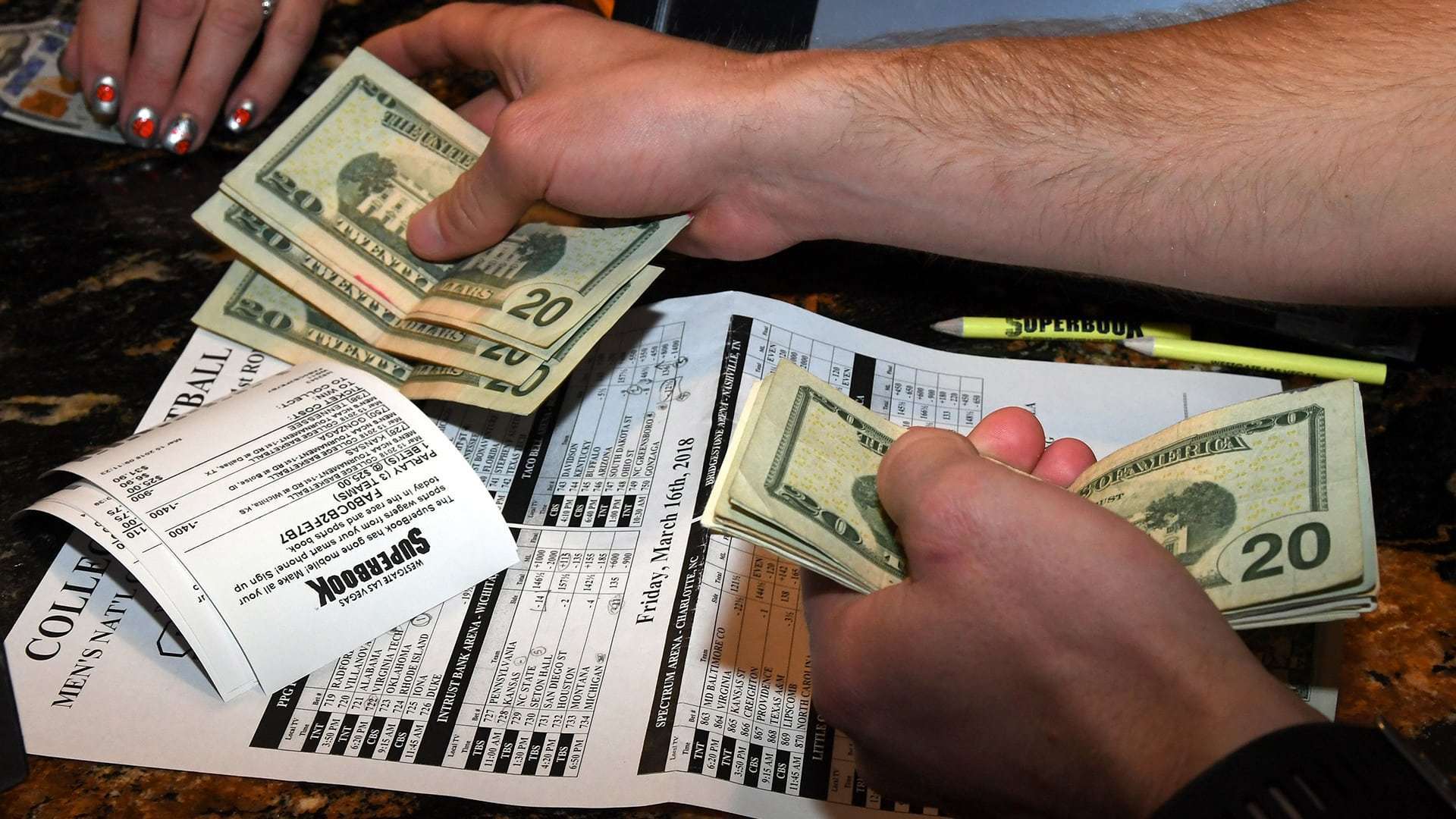
Professors at the John Chambers College of Business and Economics at West Virginia University are investigating various issues, particularly what they define as loss-chasing. Commonly referred to as the gambler’s fallacy, this concept suggests that when bettors experience losing streaks, they often increase their stakes, believing they can recover losses and potentially make profits. This reasoning is flawed because it overlooks the fact that each bet is unrelated to previous wagers.
Brad Humphreys, an economics professor at Chambers College, points out that parlays often draw bettors in West Virginia to engage in loss-chasing.
“If our findings indicate that a near-miss parlay bet encourages individuals to engage in loss-chasing and act irresponsibly, operators might be able to recognize these bettors during their loss and implement measures like temporarily pausing accounts to prevent financial harm,” he stated.
In the wake of the Supreme Court’s decision on the Professional and Amateur Sports Protection Act (PASPA) in 2018, West Virginia was among the first states to embrace online sports betting, officially legalizing iGaming in July 2020.
West Virginia’s Love for Parlays
Sportsbook companies are particularly fond of parlays, or multi-leg bets, as these wagers are highly profitable for them. Estimates differ, but various analyses show that the percentage of wagered bets on platforms like DraftKings and FanDuel that are parlays typically falls between 54% to 72% annually.
Bettors in West Virginia have a pronounced preference for parlays, with the university reporting that 90% of sports bets in the state consist of these combination wagers. This might indicate that many bettors may not fully grasp the complex and often unfavorable mathematics behind parlays, nor do they recognize the reasons why sportsbooks favor such bets.
“Sportsbooks inherently favor parlays,” says Capt. Jack Andrews of Unabated Sports. “They often consider parlays to be an amateur’s bet. When bettors consistently wager on parlays, they often assume those bettors lack experience.”
The WVU researchers aim to uncover the psychological triggers behind loss-chasing and the allure of parlays to better assist individuals struggling with gambling issues.
Arnold Ventures: A Commitment to Analyzing Sports Betting Challenges
Established in 2008 by Laura and John Arnold, Arnold Ventures recently completed a funding cycle where it allocated $2.6 million to 12 research organizations focused on the implications of legalized sports betting. Key areas of these investigations include financial repercussions for bettors and their families, understanding consumer behavior and risk propensity, public health and social impacts, and utilizing this research to inform policy decisions.
John Arnold brings extensive experience in risk management, having gained recognition as a natural gas trader at Enron before launching his own hedge fund, Centaurus Advisors. He is widely viewed as one of the top traders in energy commodities history.