


A federal judge has denied an attempt by three Northern California and Oregon tribes to overturn approval of the Coquille Indian Tribe’s controversial casino in Medford, Ore. The judge ruled that the U.S. Department of the Interior acted lawfully when placing the property into trust for gaming.
U.S. District Judge Amit Mehta in Washington, D.C., on Friday (September 4) denied a summary judgment motion brought by the Cow Creek Band of Umpqua Tribe of Indians, the Karuk Tribe, and the Tolowa Dee-ni’ Nation. He granted cross-motions from Interior and the Coquille Tribe.
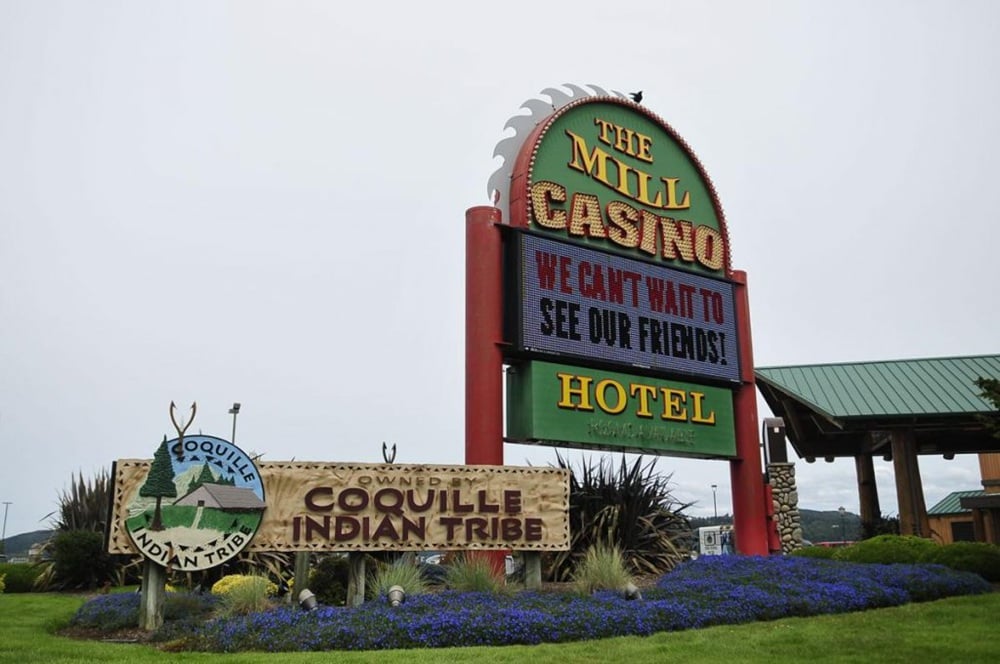
The tribe initially requested the 2.4-acre site in Medford to be taken into trust in 2012, intending to develop a Class II gaming facility. The land is approximately 170 miles from the Coquille’s main reservation in Coos Bay, where the Mill Casino is located.
Interior initially declined the application in 2020, citing concerns about the distance from the reservation and objections from state and local officials. However, after further review, the agency reversed its decision and approved the trust acquisition and gaming use in January 2025.
The property was transferred into trust on the same day, with gaming operations commencing the following day. The facility currently operates on a limited scale, with long-term plans for a 16,000-square-foot gaming floor housing 650 Class II machines.
‘Restored Lands’ Dispute
The three plaintiff tribes, which run casinos within 150 miles of the Medford property, raised concerns that the new facility would divert revenues from their gaming operations, impacting funds available for education, healthcare, and other tribal services.
A key issue was whether the property fell under the “restored lands” exception of the Indian Gaming Regulatory Act (IGRA).
IGRA generally prohibits gambling on tribal land taken into trust after October 17, 1988, unless certain exceptions, such as land restored to a tribe that regained federal recognition, apply.
The Coquille Restoration Act of 1989 allowed the Interior secretary to accept land into trust within the tribe’s designated service area, which includes Jackson County, where Medford is located. Interior determined that the property qualified as restored land based on this information.
Mehta supported this decision, citing D.C. Circuit precedent in favor of Interior’s interpretation.
Interior Reversal Upheld
The plaintiffs argued that Interior acted inconsistently when reversing its previous rejection of the project.
Mehta disagreed, noting changes in circumstances during the review process. Coquille had reached a municipal services agreement with Medford, and Interior found that the tribe’s financial needs had increased due to insufficient revenue from the existing Mill Casino to cover rising costs.
Interior projected that the Medford facility could generate approximately $18.5 million per year in the future.
Mehta stated, “Plaintiffs may disagree, but the court is not empowered to revisit the decision as long as it is ‘reasonable and reasonably explained.'”
This ruling is final and appealable, allowing the three tribes to escalate the matter to the U.S. Court of Appeals for the D.C. Circuit.