


Gamblers often claim they were “so close” to winning. Casinos actually benefit from gamblers believing this, but neuroscience explains why this feeling is misleading.
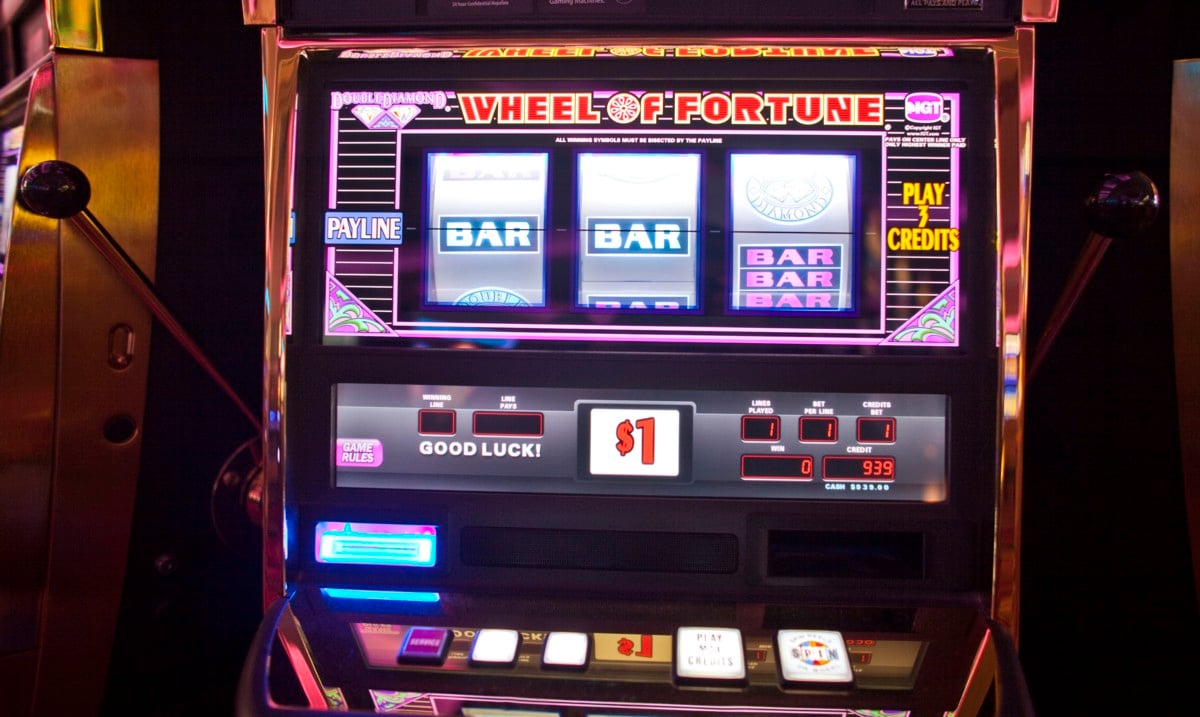
Consider a scenario on a slot machine: reel one shows a bar, reel two shows a bar, and then reel three dashes the hopes of a win. Despite this, gamblers may still react as if they were close to winning. However, the reality is that the machine’s outcome was determined by a random number generator before the reels even began spinning. The concept of a “near miss” is simply an illusion created to keep players engaged and losing.
Only in Horseshoes
The Journal of Neuroscience explains that your brain’s dopamine reward system can be triggered not just by winning, but also by the perception of almost winning. This phenomenon occurs in games of pure chance, where the concept of “almost winning” is fictional.
Whether it’s busting in blackjack with a total of 22 or landing one number off in roulette, your brain still experiences a dopamine release. Casinos strategically incorporate near misses in their games to provide players with a sense of progress without actually paying out winnings.
Enter the Rat Casino
In 2011, neuroscientists constructed a literal rat casino with flashing lights to mimic a slot machine. The rats received a reward only when all three lights aligned, while any other outcome resulted in no reward. Interestingly, the rats displayed human-like behavior by continuing to press the lever after near misses, as their dopamine neurons interpreted “almost winning” as a favorable outcome.
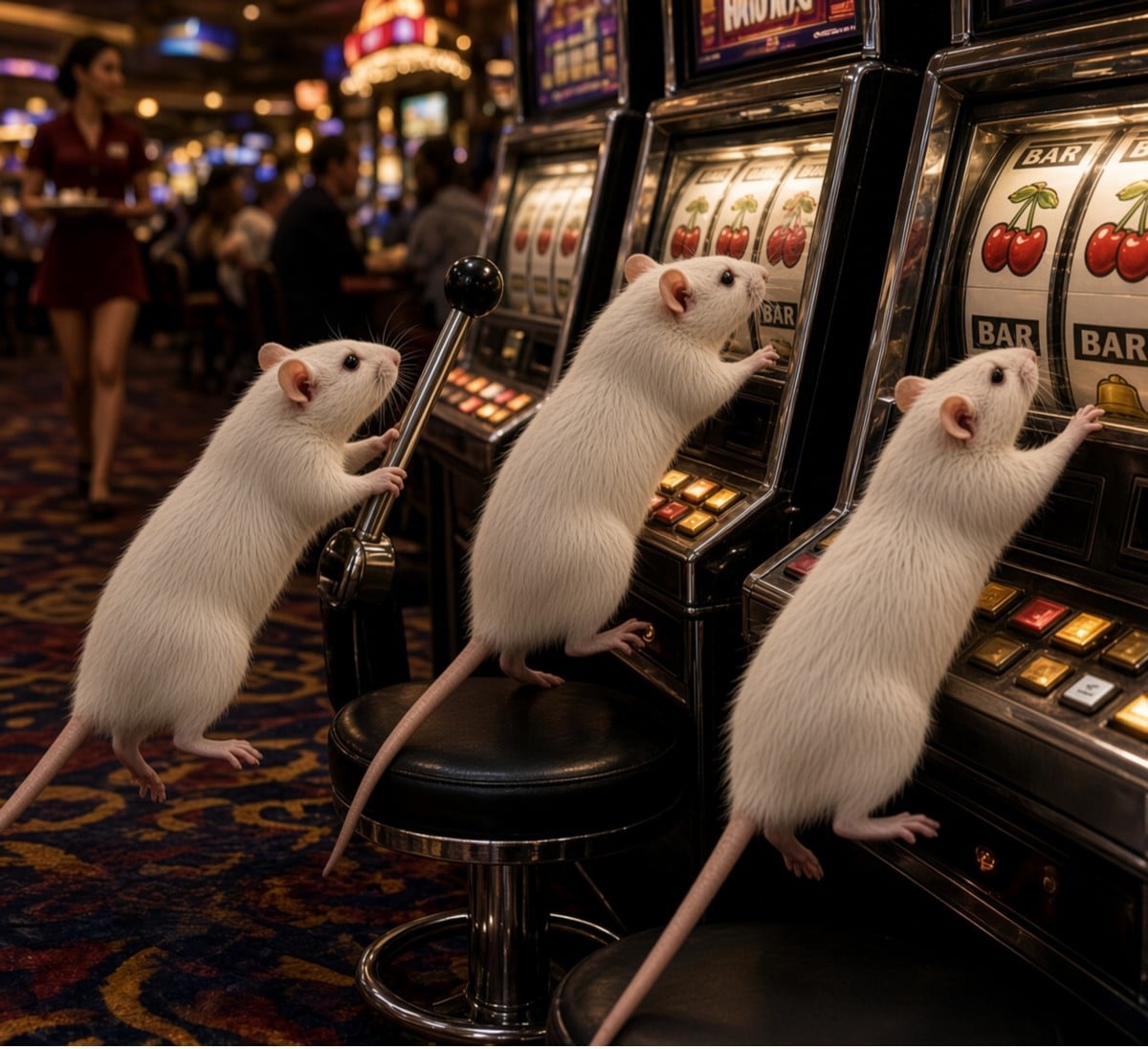
Even when drugged with dopamine-enhancing substances, the rats continued to chase near misses, indicating the powerful influence of these perceived near wins on behavior.
Surprisingly, when a similar experiment was conducted with pigeons, they did not exhibit the same preference for near misses as mammals did. This suggests that mammals have evolved the illusion of “almost winning,” while birds do not share this trait.
Why Our Brains Do This
Mammalian brains are wired for skill-based activities, not games of pure chance like slot machines. The concept of near misses triggers the brain’s reward system, as it interprets them as a sign of progress and improvement.
Casinos exploit this natural tendency by incorporating near misses in their games, even though games like slots, dice, and roulette do not require skill. This manipulation keeps the dopamine neurons firing, encouraging players to continue playing even as they lose money.
But Aren’t Slot Outcomes Supposed to be Random?
While slot outcomes are indeed random, the design of the game influences which outcomes are more likely to occur. The random number generator (RNG) selects a result unpredictably, but the slot’s design determines the rarity of certain symbols. This explains why near misses are common, even though they may appear to indicate a close win.
The virtual reel on a slot machine has numerous positions for losing symbols and very few for winning symbols. So, when a near miss occurs, it is often due to landing on a losing stop that appears close to the winning one, creating the false impression of being close to a win.
Near misses are deliberately engineered by casinos to manipulate players into feeling lucky and continuing to play, ultimately leading to further losses.
We apologize for bursting your bubble, but the reality is that near misses are not a sign of impending victory. Just like how your grade-school art may have been discarded by your parents and your pet did not actually move to a farm.
For more debunked Vegas myths, check out ‘Vegas Myths Busted’ every Monday on Casino.org. Visit VegasMythsBusted.com for past myths debunked. Have a Vegas myth you want us to bust? Email [email protected].