


Reword all the content from original article, keep HTML tags, make it SEO friendly and unique
If you gamble and take a GLP-1 medication such as Ozempic or Wegovy, researchers at the University of Washington want to hear from you.
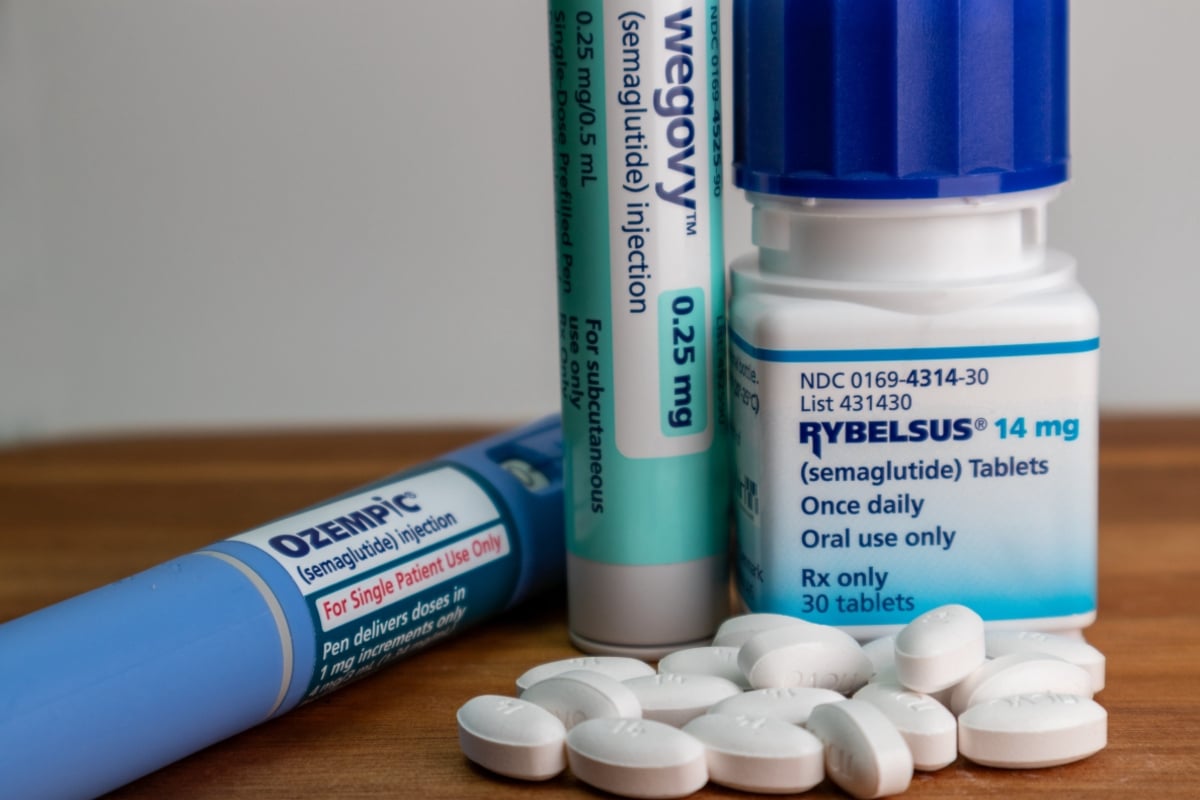
The Addictions, Drug & Alcohol Institute (ADAI) at the University of Washington has launched the GAME Study, or the GLP-1s: Assessment of Gambling Motivations & Engagement Study. The institute aims to better understand how taking a GLP-1 impacts betting behaviors.
Researchers are actively recruiting gamblers who are taking GLP-1 medications. Those interested must first answer a brief online questionnaire. Individuals selected would then meet with a member of the study team over Zoom to show their identification and GLP-1 prescription or medication label on camera.
Participants would then be invited to complete a 30-minute survey about gambling urges, thoughts, and behaviors before and after starting a GLP-1. Those who complete the three steps will be compensated with a $50 gift card.
Can GLP-1 Help Problem Gamblers?
The GAME Study is the latest academic undertaking examining whether GLP-1 drugs can help quell gambling urges, as they often do in suppressing food cravings. Dr. Ty Lostutter, an associate professor at UW Psychiatry & Behavioral Sciences, says problem gambling is a rapidly growing public health crisis fueled by legalized sports betting.
There has been growing interest in the potential effects of these medications on addictive behaviors, but we still have much to learn about their relationship to gambling,” said Lostutter. “We hope this study will help us better understand the experiences of individuals who gamble and are taking these medications, including whether they have noticed any changes in their gambling urges or behaviors.”
Lostutter said qualified participants will have experienced some sort of “gambling-related harm,” whether currently or in the past before going on a GLP-1.
Participants will have their name and other identifiable information separate from the study data.
“Access to your identifying information will be limited to certain members of the study team and any individuals from the UW or other agencies that may need to audit study records,” the GAME Study enrollment website explains.
The GAME Study is being funded by an ADAI Small Grant.
Early Findings
Researchers at the University of Pennsylvania believe GLP-1 medications can help problem gamblers because they “turn down” the brain’s reward signals, reducing cravings for things and behaviors that the brain desires. Michael Platt, a neuroscientist and professor at the university’s Wharton School, says long-term GLP-1 use leads to “some structural remodeling of the brain” that can influence financial decision-making and reduce an appetite for high-risk activities.
Boston University has also published early research regarding a link to easing gambling urges through a GLP-1.
“These drugs act on areas in the brain, like the mesolimbic system, which is involved in feelings of pleasure and motivation. This system plays a role in cravings for food, but also for other rewarding behaviors like drinking alcohol, gambling, or even shopping,” said Dr. Ivania Rizo, an assistant professor of medicine at Boston University who is also the director of obesity medicine at Boston Medical Center.
In September, Gallup reported that an estimated 11% of the U.S. adult population is taking a GLP-1, or approximately 29 million people.