


A professor who teaches the only academic horse betting course in America at Rhodes College in Memphis is facing allegations of fraud from the Horseracing Integrity and Safety Authority (HISA).
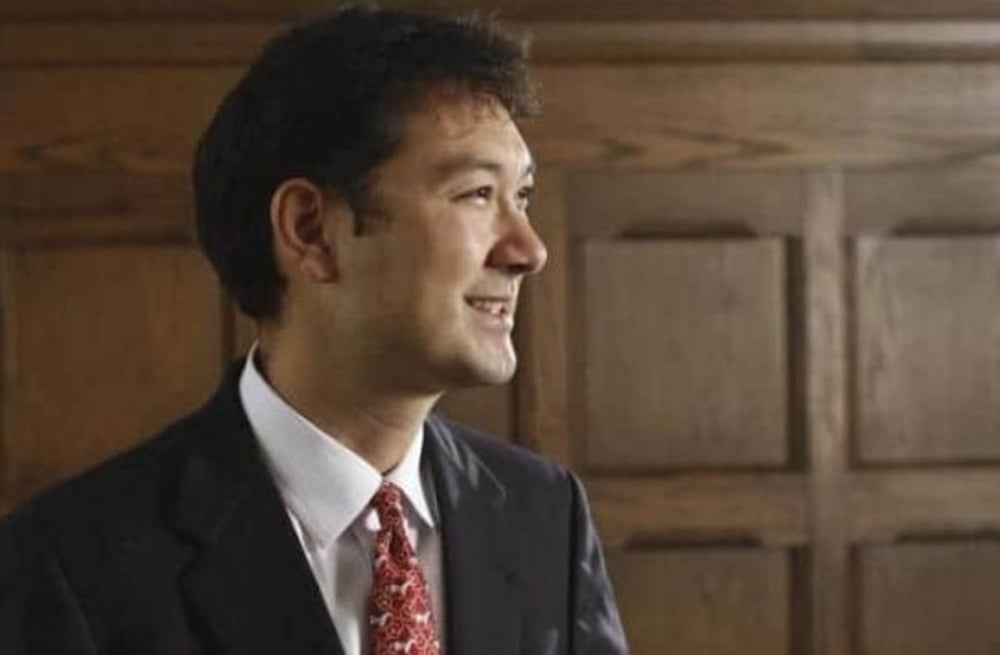
Marshall Gramm, the owner of the horse-racing syndicate Ten Strike Racing, is accused of using confidential health information about racehorses to gain an unfair advantage in betting and claiming horses, which he denies.
HISA has charged Gramm with fraud and unauthorized access, alleging that he obtained horse-health information without authorization. The authority is considering penalties that may include a ban from thoroughbred racing.
Accessing Thousands of Records
HISA claims Gramm obtained confidential veterinary records over a six-week period starting in early May, using an automated method to download records at scale undetected by security systems.
During this time, Gramm participated in handicapping contests, placed bets, and claimed racehorses, according to HISA.
HISA CEO Lisa Lazarus stated that Gramm claimed nine horses during this period, accessing health information on each of them before making the claims.
In claiming races, all horses are available for purchase at a set price, with licensed owners submitting offers before the race.
There must be significant consequences for individuals who violate the integrity of our rules and obtain and abuse confidential horse health information,” said Lazarus. “HISA will take every necessary step to fiercely protect the integrity of Thoroughbred racing and ensure that violators of our rules are punished appropriately.”
Professor’s Denial
Gramm admitted to accessing the data but disagreed with HISA’s representation of his actions.
“The information in question was accessible through my authorized HISA account,” Gramm said. He used his credentials and did not bypass any security protocols, according to him.
Gramm mentioned that collecting large data sets was part of his academic and analytical work, claiming he did not fully review the data’s scope initially.
He acknowledged his error in not reporting the vulnerability to HISA sooner.
Gramm, known for his publications on horse-racing economics, teaches The Economics of Racetrack Wagering Markets at Rhodes College, focusing on topics like probability, decision-making, and finance.