


The nine casinos in Atlantic City contribute annual property taxes calculated on their gross gaming revenue (GGR) rather than the market value of their facilities. On the evening of July 22, the Atlantic City Council will discuss the possibility of applying a comparable payment-in-lieu-of-taxes (PILOT) scheme to a proposed residential project adjacent to MGM Resorts’ Borgata.
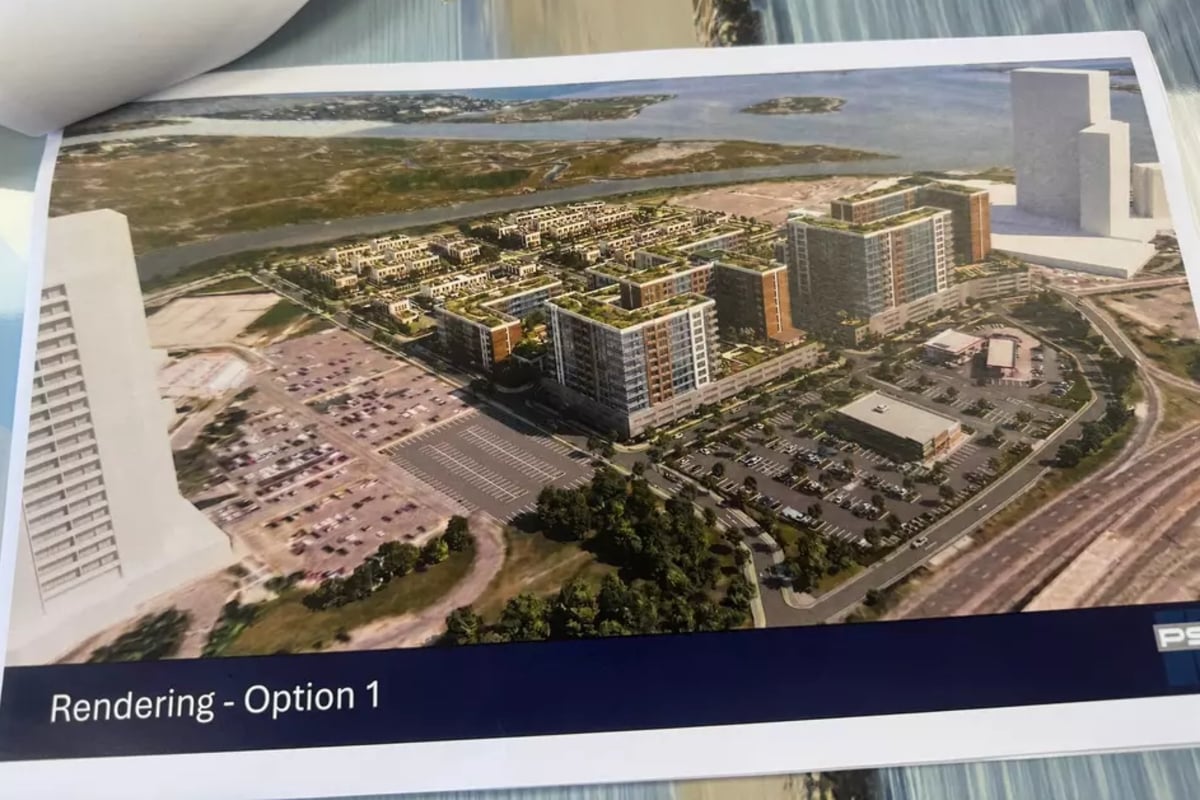
Earlier this month, Mayor Marty Small Sr. of Atlantic City disclosed that MGM Resorts is considering a significant housing initiative on its properties located between Borgata and Harrah’s in the Marina District. He specified that MGM is evaluating three different plans, with residential units ranging from 1,000 to 3,500.
The agenda for the Atlantic City Council’s July 22 session includes the examination of Resolution No. 479. If approved, this would empower the city to initiate negotiations for a financial agreement with MAC Corporation—fully owned by MGM Resorts—to facilitate the “redevelopment and enhancement of areas in need of improvement or development.”
Tax Incentives for MGM Housing
MGM has held ownership of the land directly northeast of its casino since acquiring Boyd Gaming’s 50% stake for $900 million in 2016, thereby securing control over the city’s most lucrative resort. Although MGM has not publicly commented on the potential housing project, it may include a variety of living options such as apartments, condominiums, townhomes, and single-family houses.
Resolution No. 479 emphasizes the necessity for a supportive tax structure to realize the housing initiative. The proposal advocates for the inclusion of this development under the state’s Long Term Tax Exemption Law, specified in New Jersey Statutes Annotated 40A:20-1.
“Given the elevated costs associated with development within the City and the prevailing tax rate, a Long Term Tax Exemption is essential for making the Project Area development financially viable,” states the resolution. “The City and MGM are keen to negotiate the terms of a financial agreement for a Long Term Tax Exemption to promote the redevelopment efforts in accordance with the Amended Redevelopment Plan.”
City officials are openly optimistic about the realization of the Borgata housing project. The resolution articulates, “the City is eager to see the Project Area developed due to its positive impact on the community.”
Understanding the PILOT Program
New Jersey’s Long Term Tax Exemption Law serves as a crucial instrument for urban redevelopment, enabling municipalities like Atlantic City to offer long-term property tax exemptions or PILOT abatements for investments in designated redevelopment zones.
The MGM property, as clarified in the city resolution, is encompassed within the city’s Amended Redevelopment Plan, which designates specific parcels for the Long Term Tax Exemption Law.
Since 2016, Atlantic City’s casinos have been part of a contentious PILOT program. Rather than traditional property taxes, these casinos contribute taxes based on their annual GGR, excluding iGaming and online sports betting earnings.