


Date of publication: January 27, 2026, 11:58h.
Updated on: January 27, 2026, 12:01h.

- Advocacy group draws parallels between prediction markets and the GameStop surge in 2021
- Claims that prediction markets pose competition to cryptocurrency among younger, potentially vulnerable traders
- Group notes the merging of investing with gambling
As five years have passed since the dramatic increase in GameStop (NYSE: GME) shares, driven by a wave of retail traders via social media, the trend of financial gamification persists, with prediction markets playing an influential role.
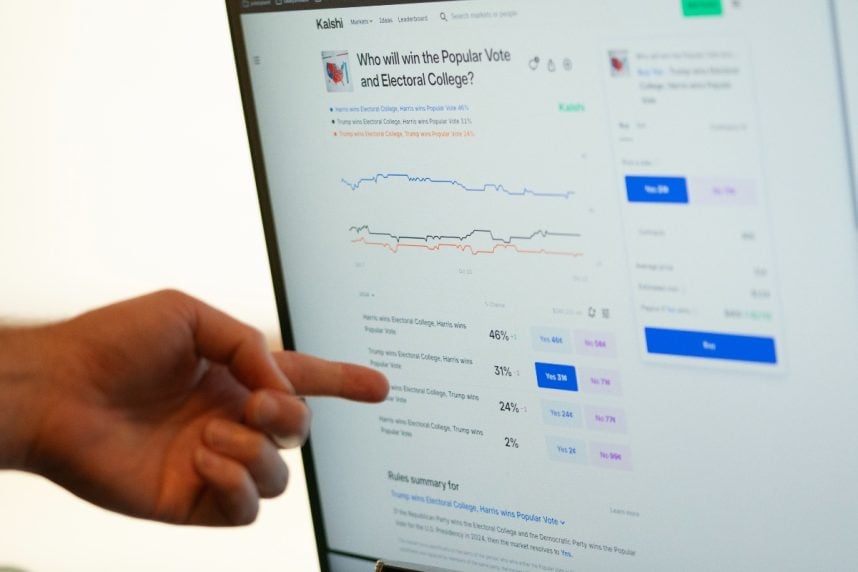
This perspective comes from Better Markets, a nonpartisan organization, asserting that platforms for prediction markets utilize strategies similar to those of brokerage firms, luring unsuspecting retail traders into purchasing risky assets like meme stocks and memecoins. The organization notes the 2021 meme stock surge did not prompt regulators to implement adequate protections for retail investors, and market operators are capitalizing on this oversight.
“The growing inclination to gamify every aspect of finance is a direct outcome of the initial gamification that led to the GameStop phenomenon, exacerbated by regulatory inaction in establishing or enforcing protective measures,” states Better Markets. “The repercussions could be equally disastrous for retail investors and the general populace.”
The watchdog indicates that event contract exchanges incorporate features and strategies akin to those used by gaming companies, categorizing prediction markets as “predatory platforms.”
Prediction Markets Merging Investment and Gambling
Critics argue that prediction markets are capitalizing on the gamified approach to trading and betting that appeals to younger audience segments, a trend reminiscent of the GameStop event.
The risks associated with prediction markets are intensified due to the fact that many users are already engaged in sports betting, with some preferred trading platforms not only gamifying finance but also leading the charge in yes/no contract exchanges. According to Better Markets, event contract exchanges employ terminology like “shares” and deliberately avoid gambling jargon to evade regulation as gaming entities.
“Prediction market operators adopt this terminology to sidestep regulations that target casinos,” critiques the advocacy group. “Simultaneously, this language effectively equates trading with gambling. For instance, Kalshi, a prominent prediction market, presents itself as a venue where users can ‘trade on anything,’ which translates to betting on anything.”
In further analysis, Better Markets has categorized prediction markets as equivalent to casinos, claiming that operators are disregarding state gaming regulations.
Similarities with Cryptocurrency Trading
Better Markets has also signaled parallels between cryptocurrency trading and prediction markets, highlighting the continuous, round-the-clock trading model—a facet that has ensnared many young retail traders into significant losses with speculative digital currencies.
Recently, Kalshi revealed plans to offer near 24/7 trading, while various brokerage firms are expanding into tokenized assets that allow for trading beyond standard trading hours. In light of the cryptocurrency realm, Better Markets foresees detrimental consequences for certain traders.
“One of the most widespread forms of trading addiction pertains to cryptocurrency trading. So prevalent is this issue that several centers now specialize in treatment,” mentioned the think tank. “A key reason for the addictive nature of crypto trading is the perpetual 24/7 trading availability.”