


Published on: May 25, 2026, 12:21h.
Updated on: May 25, 2026, 12:21h.

- Medical professionals propose that GLP-1 medications could assist in addressing gambling addictions
- Researchers assert that further evidence is essential before recommending GLP-1 for gambling issues
- Health authorities express concerns over increasing gambling-related challenges
Gambling activities are becoming increasingly common. Health professionals suggest that gambling addiction is also escalating.
The surge in sports betting, prediction markets, and online casinos has rendered gambling highly accessible to nearly every adult in the United States.
The National Institute on Drug Abuse warns that the nation is undergoing a gambling crisis. The Public Health Advocacy Institute cautions that the country is “in the early stages of a mental health and gambling addiction crisis.”
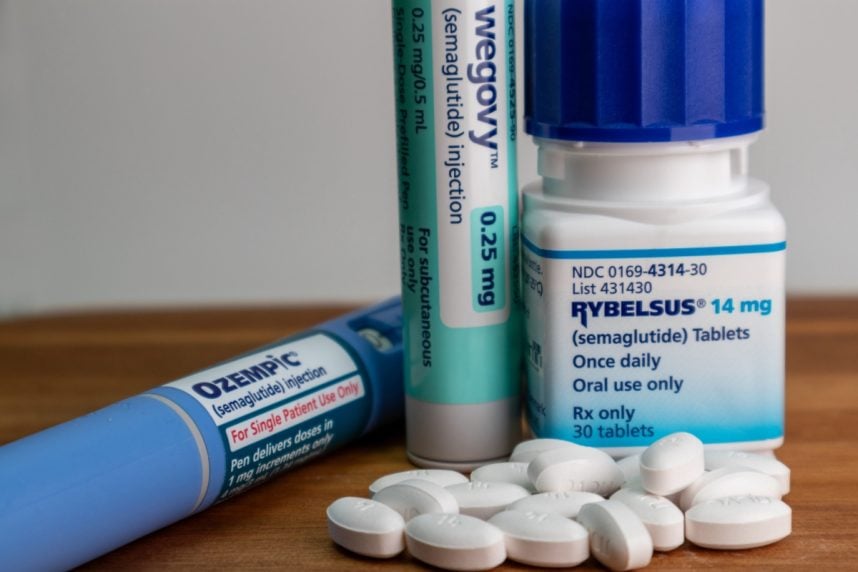
Amid rising concerns surrounding gambling addiction, many are curious whether GLP-1 medications, originally meant for type 2 diabetes but now often utilized for weight management, could also benefit those struggling with gambling issues.
“Weight-loss drugs like GLP-1s not only affect appetite and metabolic regulation, they also change how the brain perceives rewards,” explained Dr. Ivania Rizo, an assistant professor at Boston University and director of obesity medicine at Boston Medical Center.
“These medications target brain areas like the mesolimbic system, responsible for feelings of pleasure and motivation. This system is involved in cravings for food and other rewarding activities such as gambling, drinking, or shopping. By decreasing food cravings, these medications may also reduce the urge for other addictive behaviors. The drugs mitigate the ‘reward’ signals in the brain across various temptations, not just related to food,” Rizo noted.
Additional Research Required
Although GLP-1 agonists are showing encouraging potential in addressing gambling addictions, experts maintain that more comprehensive data is necessary prior to prescribing these medications for this purpose.
“Currently, we have only anecdotal reports. Several randomized controlled studies are underway to ascertain whether GLP-1 medications effectively treat these disorders,” explained Rizo.
Dr. Keith Roach, an internal medicine specialist at Weill Cornell in New York, contributes a nationally syndicated “Dear Doctor” advice column. He agrees that it might be premature to endorse GLP-1s as a treatment for gambling disorders at this juncture.
“Evidence supporting GLP-1 agonists in mitigating alcohol use disorder is compelling, with research demonstrating significant decreases in hospital admissions related to alcohol and reductions in problematic drinking. However, the research surrounding gambling disorders remains preliminary, based on our understanding of their neurological impacts,” Roach stated.
“At this moment, there is no substantial clinical evidence endorsing the use of GLP-1 agonists for gambling disorders,” Roach added.
Miracle Solution?
GLP-1 medications were initially created for managing type 2 diabetes, with the unexpected benefit of appetite suppression leading to significant weight loss.
The surprising advantages extend beyond weight management.
GLP-1s have also been shown to enhance cardiovascular health, reduce systemic inflammation, and address various neurological, kidney, and liver conditions.