


Reword all the content from original article, keep HTML tags, make it SEO friendly and unique
Injuries are the absolute worst part of professional sports. The Oklahoma City Thunder suffered a catastrophic double-blow recently, losing Jalen Williams to a dislocated left ankle and fractured fibula, alongside defensive ace Cason Wallace, who sustained a left shoulder tear in the very same game.
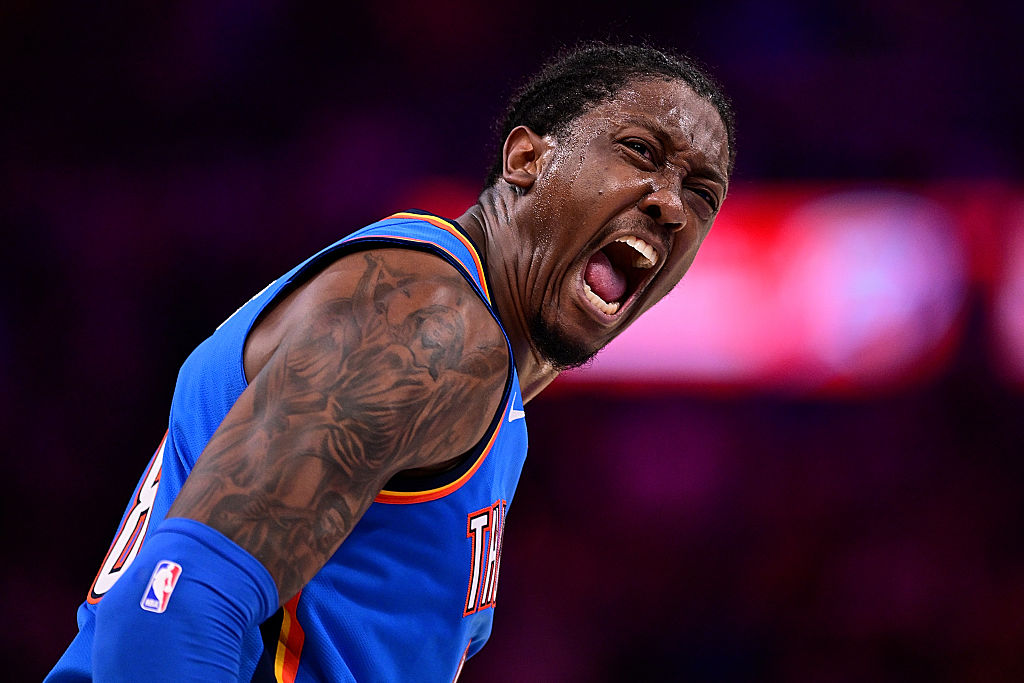
These injuries have now raised questions over Oklahoma’s decision to cut costs this offseason and whether the ownership will spend money to keep their championship hopes alive.
Suddenly, a team with championship aspirations has fallen behind the rival San Antonio Spurs in the Western Conference. Ignore the early standings; Victor Wembanyama and the Spurs are now a sizable notch ahead of Oklahoma City.
“It’s an uphill battle for [the thunder] now,” said one Eastern Conference executive.
“They’re in a tough spot, losing Williams like that,” a second executive said. “I feel sorry for the kid. They were banking on him when they let all those guys go [this offseason]. Their path just got difficult in the West. This drops them down a notch.”
Thunder’s Tax Gamble Comes Back to Haunt Them
For context, at the start of the offseason, the Thunder faced a projected luxury tax penalty in the $350 million range. After winning the 2024-25 championship, Oklahoma City was one game away from returning to the NBA Finals. Despite fielding an elite roster, the franchise chose to shed significant salary, bringing its tax bill down to under $20 million.
According to the first executive, the top brass made the call to prioritize financial savings over the massive one-season penalty: “That is not an option for that owner and that market, from what I understand.”
Now team governor Clay Bennett and his staff need to reevaluate that decision—because the price of reinforcements will sharply raise the tax burden.
What Will It Cost the Thunder to Strengthen Their Roster?
In sending off Lu Dort, Isaiah Joe, and Aaron Wiggins in three separate July deals, the Thunder created trade exceptions that essentially function as gift cards. The largest is for Dort at $17.7 million; the franchise can acquire a player worth up to that amount without sending out any current rostered players.
The team still has several extra first-round picks, its own future first-rounders, and a long list of second-rounders. If motivated (as they should be) to reestablish their foothold in the West, the Thunder need to replenish their wing defense.
“I think with the assets they have, they can still semi-recover,” said one player agent.
“They should be using assets to overpay for guys on value contracts,” added an NBA scout.
With 14 players under contract, Oklahoma City has one roster spot open. Using the Dort exception could add another $45 million to $70 million in tax, depending on the incoming salary.
It’s a big ask for a single player, but it’s an investment in a team that was a hair away from defending its title against the New York Knicks in the NBA Finals.
Will Thunder Ownership Spend to Save Their Season?
“You would think they would spend after giving up [James] Harden back in the day,” the first executive said. “[It’s] common sense: when you were so close to a championship roster, you pay whatever it takes to keep it intact. But James Dolan [of the Knicks] did not do that either. So many billionaires are getting cold feet.”
New York has its own issues after its recent championship, tabling extension talks with two starters (Karl-Anthony Towns and Josh Hart) while letting key reserve Mitchell Robinson leave in free agency to the Boston Celtics.
For now, the Thunder understandably need time to regroup. It’s a tight-knit squad that was visibly shaken to see a teammate suffer such a terrible injury. The impressive start and existing talent buy some time, but the Thunder face serious decisions in the coming weeks and months.